How to Use a GMC Trailer Brake Controller
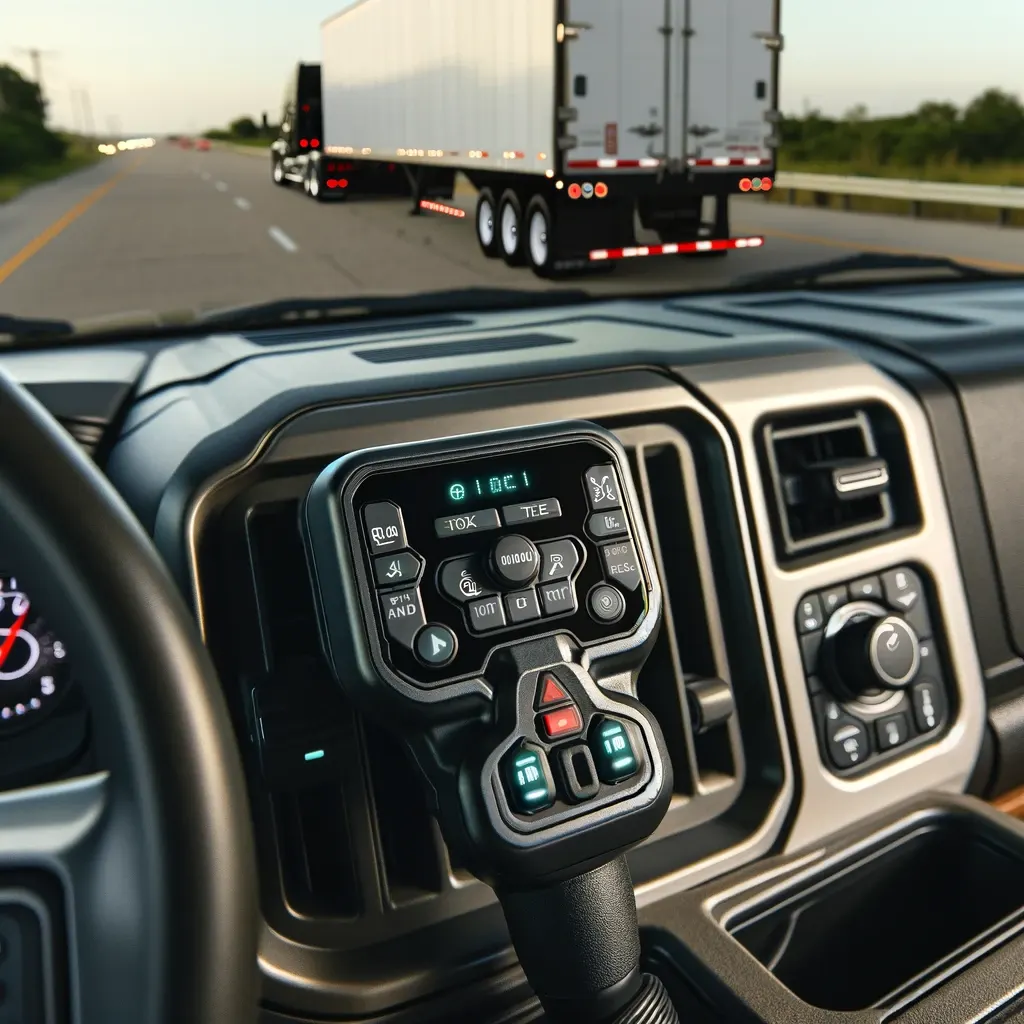
Have you ever felt nervous towing a trailer with your GMC truck and wondering how best to control it down the road? A trailer brake controller is an important safety device that helps synchronize your vehicle’s brakes with those of the trailer. In this detailed guide, I’ll break down everything you need to know to confidently operate a GMC Trailer Brake Controller.
Inspecting Your Towing Setup
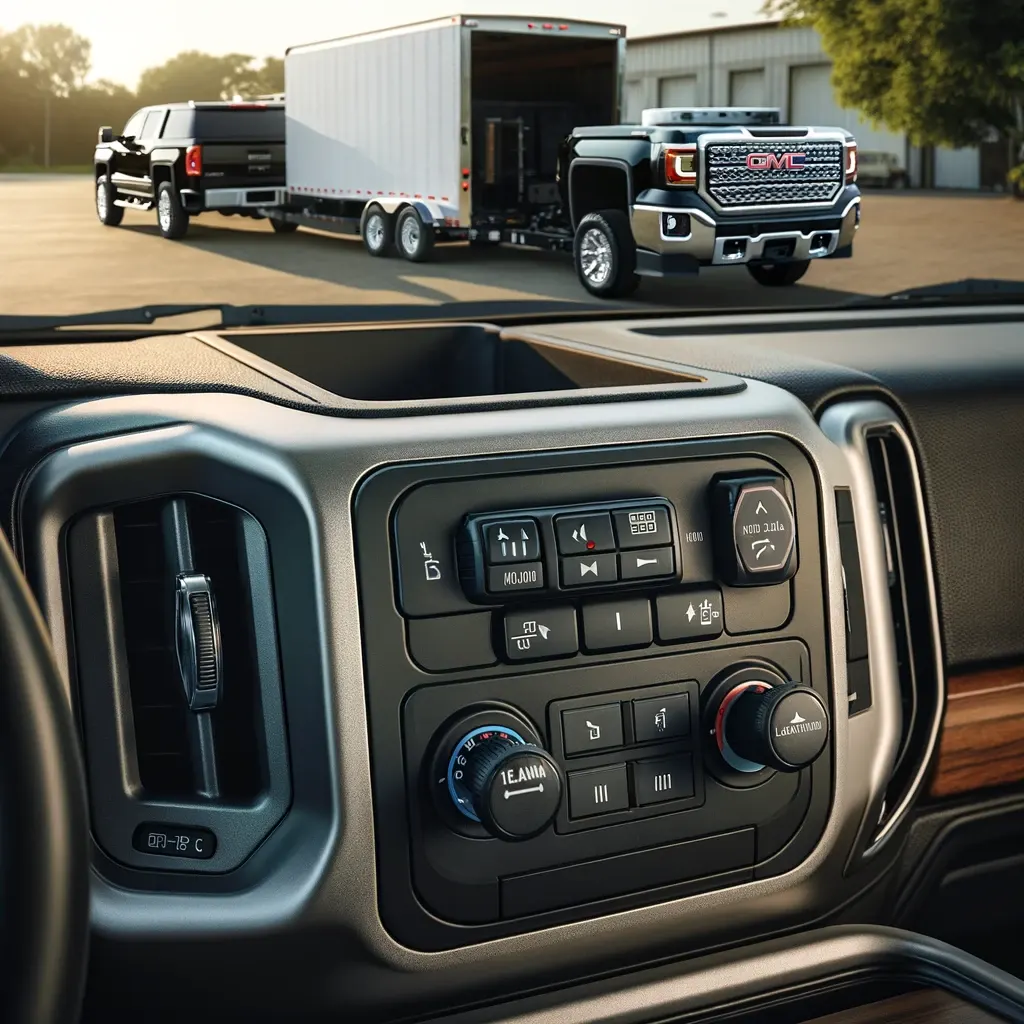
Before powering on the GMC Trailer Brake Controller, take some time to inspect your entire towing system. Start by checking that all lights work as they should when you apply the brakes and hit the turn signals in your truck. Trailer wiring can fray or come loose over time, so this is an important test.
While you’re under there, examine the trailer brakes themselves. Make sure all brake rotors or drums aren’t excessively worn and that the brake shoes or pads still have plenty of material left. Spinning the wheels by hand, you should feel subtle resistance from the brakes.
No less important is verifying your hitch and ball are rated to tow the weight of your trailer safely. Consult your owner’s manual for the maximum tongue weight and towing capacity of your specific GMC model. Use a scale to measure and adjust as needed. With some detective work now, you can avoid breakdowns later.
Understanding Braking Modes
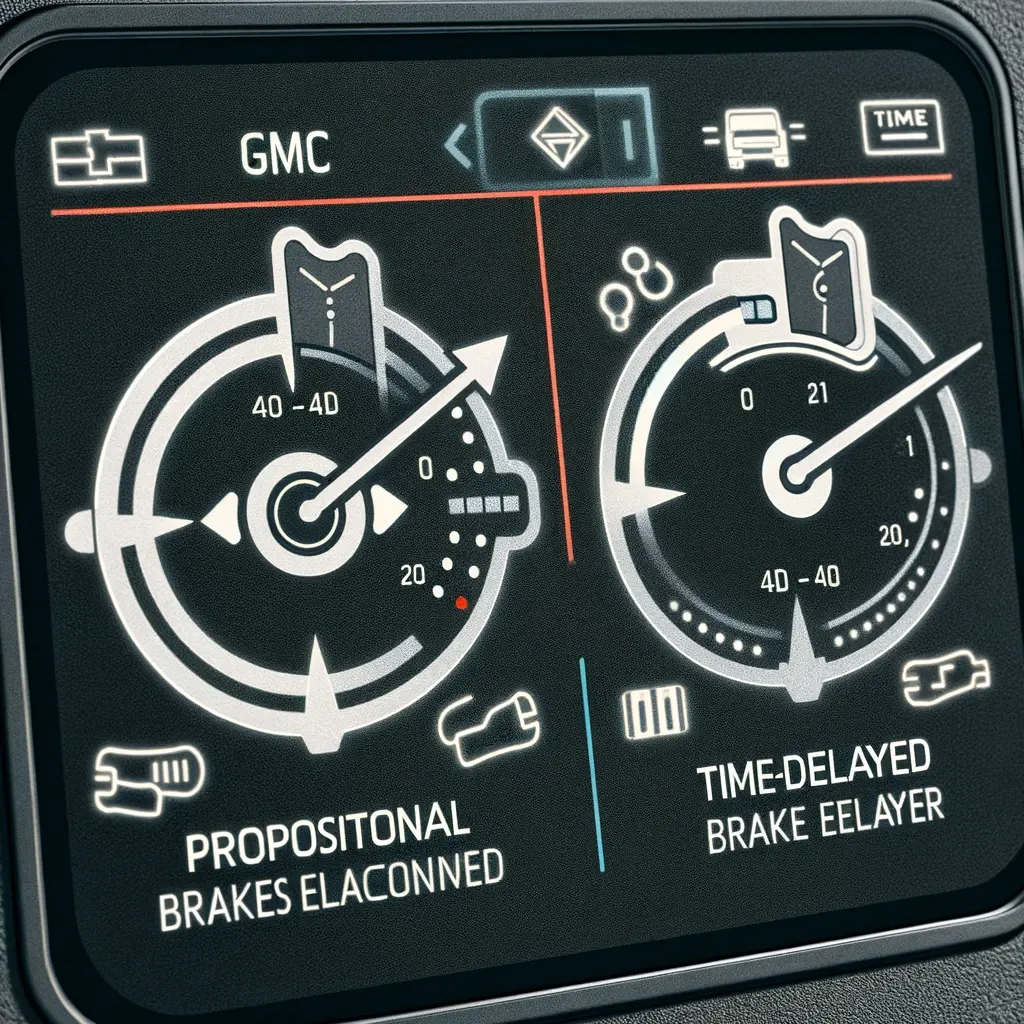
Most aftermarket and factory GMC Trailer Brake Controllers offer a choice between proportional and time-delayed braking modes. In proportional mode, trailer brakes apply in direct relation to how far you press your truck’s brake pedal. This mimics driving a single vehicle and takes some getting used to.
Time-delayed kicks in trailer brakes a set amount of time after you hit the brakes, similar to a delay. This can help maintain stability in some situations but doesn’t feel as smooth. For beginners or heavy loads, I recommend starting with proportional braking to get a natural feel of the trailer.
Adjusting Your Controller
With braking mode selected, you’ll use the GMC Trailer Brake Controller gain or level knob to fine-tune braking response. This controls trailer brake sensitivity based on input from your truck. I like to start at the lowest setting and gradually increase gain while test braking until the trailer responds as desired.
Keep in mind that road conditions can affect ideal gain levels too. Wet or icy pavement may require dialing things back slightly so the trailer doesn’t lock up. With some practice adjustments under different scenarios, you’ll learn the right setting for any situation.
GMC Trailer Brake Controller Testing and Maintaining Skills
Find an empty area like a parking lot to do your first test drives with the trailer. Practice slowing down, speeding up, and making turns while paying attention to trailer behavior. See how braking feels at various speeds by feathering the pedal.
Periodic maintenance is also key. Inspect trailer brake pads and shoes every few months for wear; replace whenthickness measures less than an 1⁄8 inch. Check brake fluid level in your truck too. Over time, gain setting adjustments may become necessary as components wear in. And we all should review towing safety basics yearly for a refresher.
Troubleshooting Common Problems
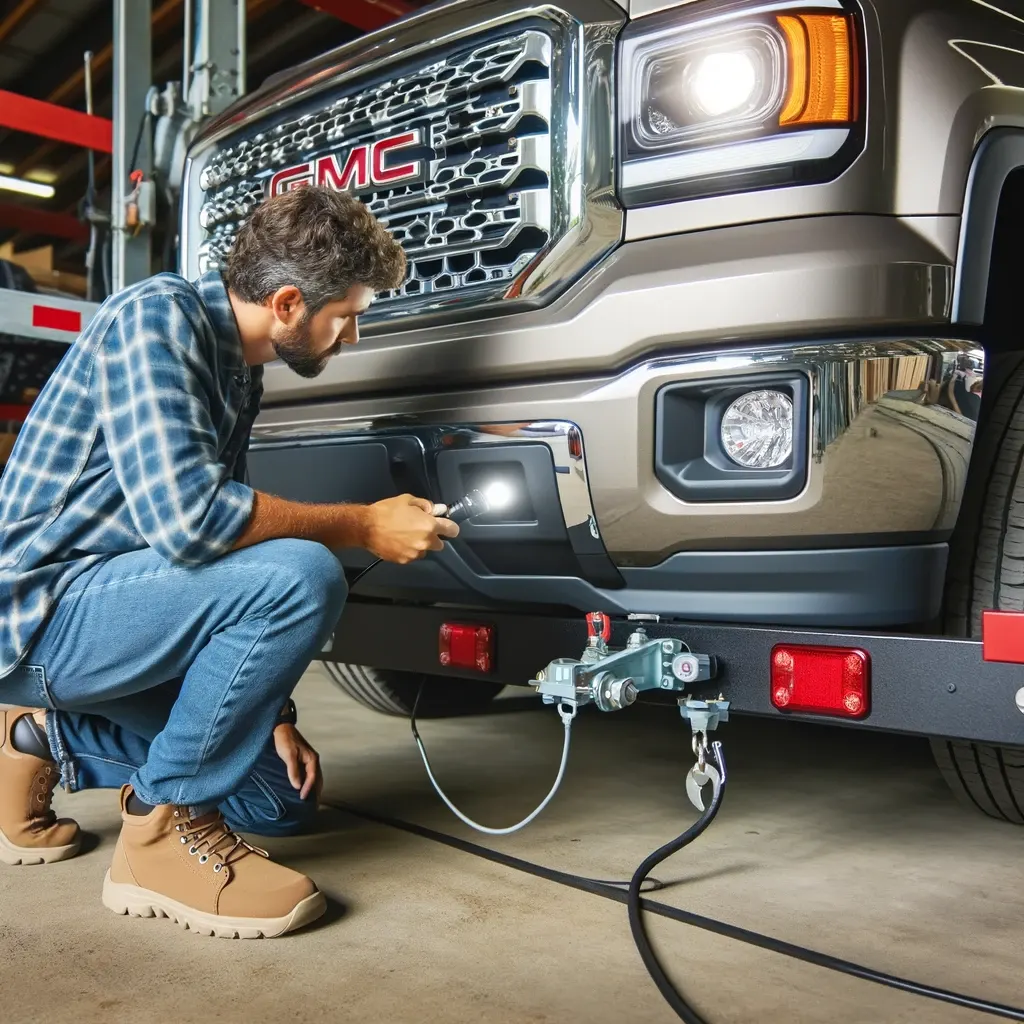
Even with regular care, brake systems can act up now and then. One issue is loose or corroded wiring preventing the controller from getting a brake signal. Check all connections are tight and clean. You may also need to reset the gain if trailer brakes lock or fail to engage properly.
A fault could potentially be a defective controller too. Try resetting to factory default settings and re-programming gain according to your manual. Heavy trailers may require upgrading to a beefier brake controller for consistent pedal feel. And as with any wear item, expect brake pads, shoes, rotors and drums to eventually need replacement.
Advanced Braking Techniques
Experienced towing requires advanced braking skills beyond standard stops. For long downgrades, maintain safe speeds by “brake tapping” – quickly depressing the pedal repeatedly instead of riding them continuously. This prevents overheating in trailer brakes which aren’t designed for prolonged use.
When slowing after passing another vehicle, pump the brakes several times to flash your trailer lights as a warning you’re decelerating. And always allow extra following distance, as it takes longer to slow your rig down from highway speeds. In emergency situations, avoid locking up your wheels which could cause a dangerous sway. With practice, you’ll develop quick reflexes.
Putting it All Together
Hopefully this comprehensive GMC Trailer Brake Controller guide has you feeling more prepared to handle any towing scenario safely and smoothly. Remember – take your time gaining experience at first. Always inspect and maintain your rig regularly. And if issues come up don’t be afraid to do more research or consult experienced trailer owners for advice. Happy and safe towing in your GMC truck!
FAQ
Can I use an aftermarket brake controller with my GMC?
In most cases, yes you can upgrade to an aftermarket controller. Just make sure to get one compatible with your truck’s wiring setup. Some higher-end GMCs may only work with the factory controller for certain advanced features.
Do I need it if my trailer has electric brakes already?
Trailer brakes on their own aren’t enough – you need a controller to apply them in coordination with your vehicle. The controller synchronizes braking power between both based on pedal input for safer stops. So even if your trailer has electric brakes, a controller is still a must-have.
How long do brake pads usually last?
It depends on factors like trailer weight, brake use, and driving conditions. But as a general rule, expect pads to need replacement every 5,000-10,000 miles. Heavier use or frequent braking may require changing them more often, like every 3,000 miles or so. Overly worn pads cannot brake properly.
What should the gain setting be at maximum?
Most controllers have a range of 1 to 10 or 1 to 12 for gain level. But you never want the setting at the absolute maximum – that could potentially cause instability. An ideal max is around 8-9, with conditions dictating if you need to adjust lower. Always test brakes before pushing limits.
Can my kid drive with a trailer and controller?
I’d advise caution letting a new driver tow, even with all safety devices. Extra weight and longer stopping distance requires experience. Many states also have minimum towing age laws. Consider taking an AFTD class together first before more advanced teen towing skills are put to the test on public roads.
Related Guides
 Gmc Brakes
2020 GMC Sierra Service Brake Pad Monitor Reset
Understanding The Importance Of Brake Pad Monitoring Systems Modern vehicles like the 2020 GMC Sierra come equipped with sophisticated brake pad monitoring systems that serve as crucial safety components. These advanced systems utilize specialized sensors to continuously track brake pad wear, provid
 Gmc Brakes
Gmc Brake Error and Solution
Understanding The GMC Brake Error: A Comprehensive Overview The GMC brake error represents a critical safety concern that manifests in various GMC vehicle models, particularly affecting the electronic brake control module (EBCM). This error typically indicates a malfunction in the brake system’s ele
 Gmc Brakes
GMC Unveils 2025 Sierra EV Denali with a $10,000 Price Cut
GMC has quietly unveiled the highly anticipated 2025 Sierra EV Denali, the next-generation electric pickup that builds upon the success of the 2024 Edition 1. The 2025 Sierra EV Denali comes with an impressive 440 miles of range on a single charge and a more affordable starting price of $89,900, nea