GMC Acadia Towing Capacity
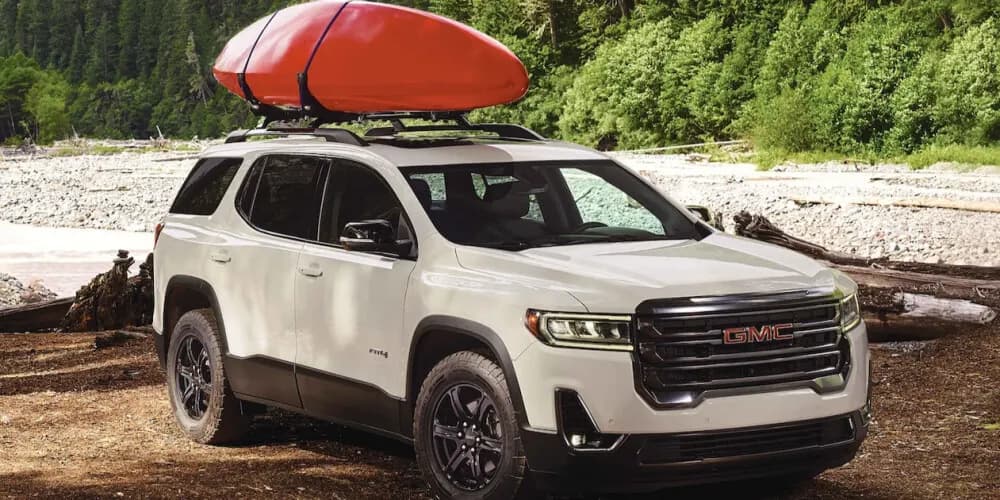
Towing capacity is one of the biggest factors to consider when shopping for an SUV. Here’s a breakdown of what the GMC Acadia can handle across its engine lineup.
Engine Options
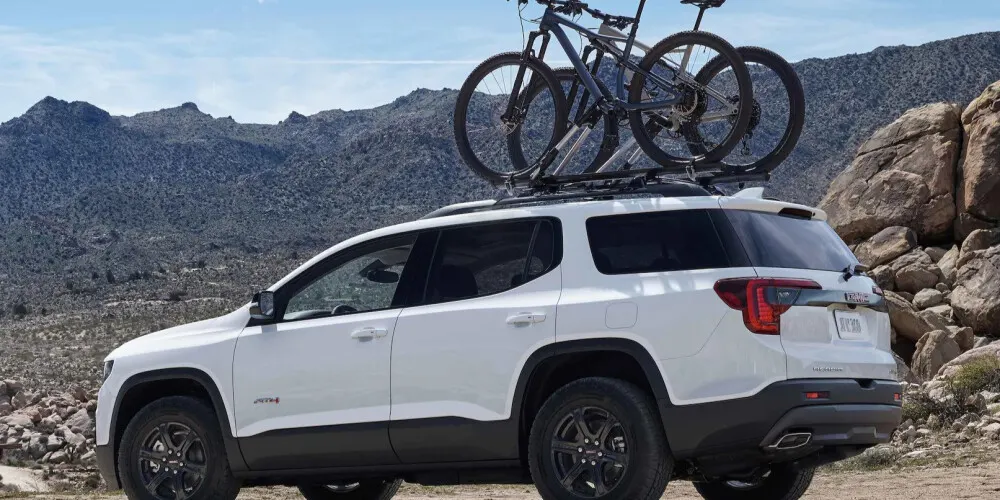
The GMC Acadia comes with a few different engine options that affect its towing capacity. The base engine is a 2.5-liter 4-cylinder that’s only rated to tow about 1,000 pounds. Nothing too exciting there.
Most people opt for one of the more powerful V6 engines. The standard V6 is a 3.6-liter that produces 310 horsepower. This baby can tow up to 4,000 pounds when properly equipped. Not bad at all for a midsize SUV!
If you need to tow something really heavy, there’s also an available diesel V6. This 3.0-liter turbocharged diesel makes 277 horsepower and can handle a max 7,200 pounds. Now that’s some serious towing muscle.
Weight Ratings
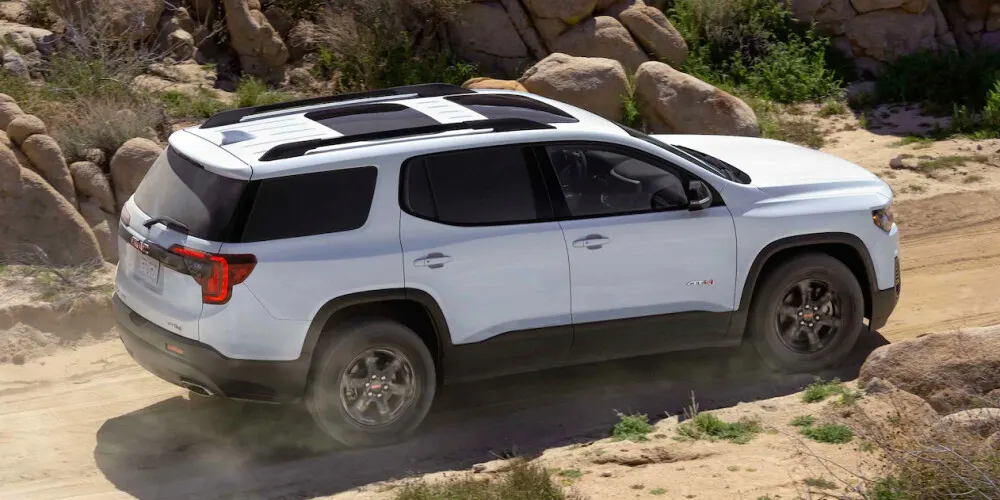
The GMC Acadia’s curb weight and gross vehicle weight rating (GVWR) also factor into its towing capacity. The base Acadia weighs around 4,000 pounds. Fully loaded it can be over 4,500 pounds.
The GVWR is the maximum allowable weight of a vehicle, including passengers, cargo, options and the tongue weight of a towed trailer. For the Acadia, the GVWR ranges from 5,900 to 6,400 pounds depending on model and specs.
So with a curb weight around 4,000 pounds and a GVWR over 6,000 pounds on most models, that leaves plenty of weight allowance for cargo, passengers and towing with the 3.6L V6 engine rated to 4,000 pounds.
Proper Equipment
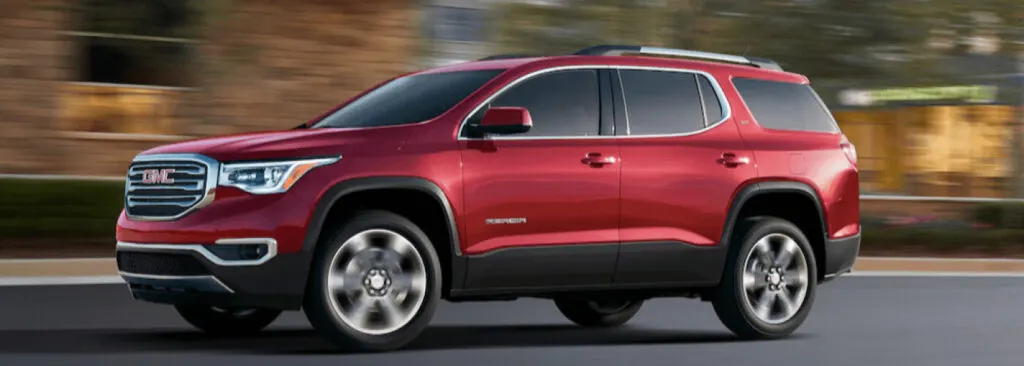
It’s also important to have the right towing equipment on your GMC Acadia to maximize its towing capacity. All Acadias come standard with a trailer hitch platform and wiring harness.
For the 3.6L V6, you’ll want to opt for the Max Trailering Package. This includes a heavy-duty cooling system and trailer brake controller. Some other nice towing tech includes trailer side blind zone alert and hitch guidance with backup assist.
With the diesel, you get a transmission oil cooler and upgraded alternator as part of the Max Trailering Package. This fully equips the Acadia to handle that massive 7,200 pound rating.
Safety First
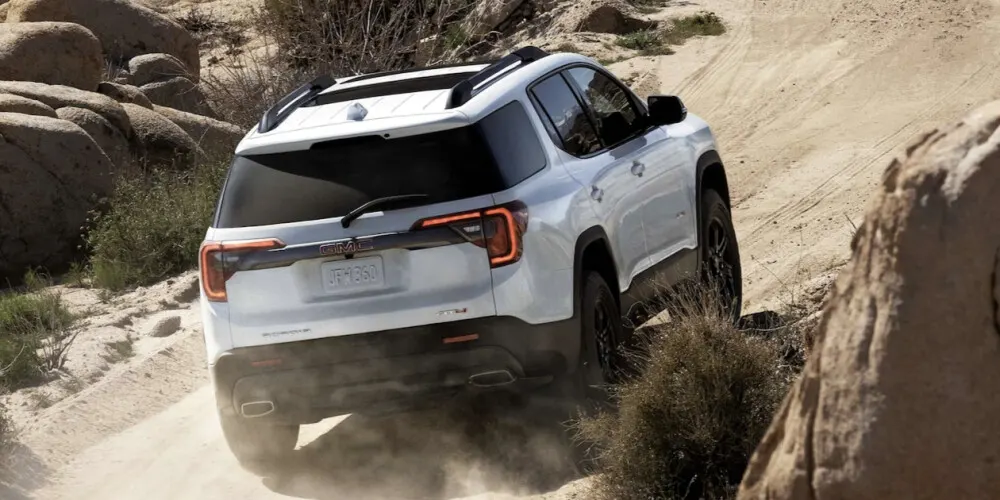
When towing at or near the GMC Acadia‘s rated towing capacity, it’s crucial to pay attention to things like trailer weight distribution, tongue weight ratings and following all load recommendations. Overloading can risk safety and damage expensive components.
It’s also a good idea to periodically check trailer light connections and inspect brake and suspension components for extra wear from the added weight. Towing can be done safely if you respect the vehicle’s limits and ratings.
The standard GMC Acadia can tow 1,000 pounds with its base 4-cylinder. Opt for the 3.6L V6 and a Max Trailering Package to handle 4,000 pounds. And the diesel-powered Acadia has a max towing capacity of 7,200 pounds with the right gear, a strong number for a midsize SUV.
Hitching Up a Trailer
Knowing the GMC Acadia’s towing capacity is only half the picture. Hitching up a trailer correctly matters just as much for staying within those ratings safely.
The first step is getting the right hitch for your Acadia and trailer. Make sure the hitch is rated as heavy-duty as the trailer and check the ball size. The hitch should be directly above or slightly behind the rear bumper.
With the trailer parked next to the SUV, you’ll lower the trailer tongue jack so the coupler is at the same height as the receiver ball. Back the Acadia slowly until the ball is centered in the coupler.
Attach the locking pin that goes through a hole in the ball and receiver. Then insert the locking clip or cotter pin for safety. Make sure the pin is fully inserted.
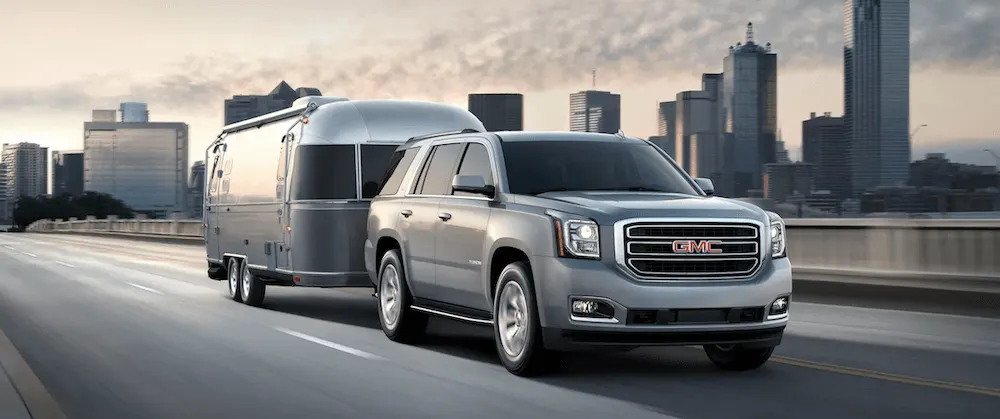
Connect the trailer’s breakaway cable to the GMC Acadia. This applies the trailer brakes if the trailer ever disconnects from the vehicle while driving.
Plug in the vehicle wiring harness to the trailer plug. This powers the trailer lights. Make sure all lights are working properly before towing.
Adjust the trailer side mirrors to allow full visibility of the rear. And don’t forget to load the trailer properly with about 10-15% of the weight over the hitch/tongue for stability.
With the trailer hitched up correctly, you’re ready to tow within the GMC Acadia’s rated towing capacity safely down the road. Drive slow and be extra cautious, especially with bigger loads.
Towing Accessories
To get the most out of your GMC Acadia’s towing capacity, some handy accessories can make towing easier and safer. Here are a few worth considering:
Trailer Brake Controller: Especially important for trailers over 1,500 pounds, this integrates the trailer brakes with the Acadia’s system for more confident stopping power.
Trailer Hitch Ball Mount: A weight-distributing hitch or adjustable ball mount helps distribute the tongue weight evenly between the trailer and SUV for maximum stability.
Backup Camera System: A camera that shows the area behind the vehicle on the infotainment screen is a must-have while towing. It makes backing up to the trailer much less stressful.
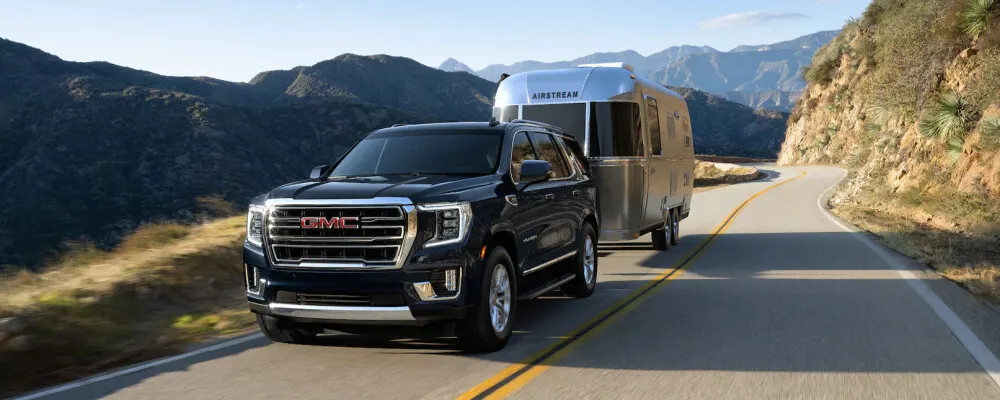
Trailer Stabilizer Bars: These side-sway controls use a torsion bar and shocks to help prevent fishtailing when towing heavy loads, improving the ride.
Trailer Tire Pressure Monitoring System: Know when your trailer tires are low without having to manually check them. It integrates with the Acadia’s display.
Trailer Lights Tester: Quickly troubleshoot any trailer light issues without a second person. Just hook it up and it illuminates any burned out bulbs.
Adding some of these handy accessories makes the most of your GMC Acadia’s towing capacity and towing experience for work and play. The safety features are especially worth it when hauling heavy loads down the road.
Towing Maintenance Tips
To keep your GMC Acadia in top towing shape, some extra maintenance is recommended when regularly using its full towing capacity. Focus on these items:
- Inspect trailer ball and hitch mount for wear and play every 6 months. Replace if needed.
- Check brake fluid level monthly when towing heavy loads. Top off as needed.
- Rotate tires every 5,000 miles or sooner if towing heavy loads that cause uneven wear.
- Inspect brake pads and rotors annually. Replace sooner if towing maximum capacity frequently.
- Change transmission fluid according to the severe service interval in the owner’s manual.
- Check wheel bearings annually for wear. Grease and repack if needed.
- Inspect suspension bushings, ball joints and shocks annually for any excess play.
- Cooling system flush every 30,000 miles if towing maximum capacity loads regularly.
Taking good care of components under extra stress from towing will help your GMC Acadia last well beyond the factory powertrain warranty. Towing does cause more wear, so stay on top of maintenance for reliable operation.
Final Thought
Whether you need to occasionally haul a small boat, travel trailer or just need the ability to tow a cargo trailer, the Acadia has a decent amount of muscle under the hood to get the job done. Just be sure to match your trailer to the ratings of the engine and model you choose. Following the maintenance tips will also help you tow with confidence for years to come.
FAQ
Can the Acadia tow a camper?
Yes, the 3.6L V6 Acadia can handle small-to-midsize travel trailers or campers up to 4,000 lbs with no problem. The diesel is even rated for larger 5er campers. Just check axle ratios and payload capacity.
What about a boat on a trailer?
Absolutely, the Acadia has you covered. Most small fishing boats or watersport toys on single-axle trailers will be no sweat. Even a 16-18ft bowrider could be towed if kept under 3,500 lbs.
How much can the 4-cylinder tow?
The 2.5L 4-cylinder is only rated to pull 1,000 lbs max. That’s really only enough for a small utility trailer or enclosed cargo trailer. The V6 is a better choice for any serious towing needs.
Do I need special towing equipment?
The Acadia comes with hitch/wiring standard, but for max towing over 3,500 lbs you’ll want the trailering package. This adds transmission and engine cooling along with a brake controller for confident towing.
What about payload capacity with passengers/cargo?
Payload includes all occupants, cargo, options. It ranges from 900-1,500 lbs depending on model/engine. Within GVWR and don’t exceed rear axle rating posted inside the driver’s door.
Safety note: This guide is for general informational purposes. Brake systems are safety-critical — if you're unsure at any step, or the work requires specialized tools, have it inspected or completed by a qualified technician.
Related Guides
 Acadia
Where is The GMC Acadia Battery Location?
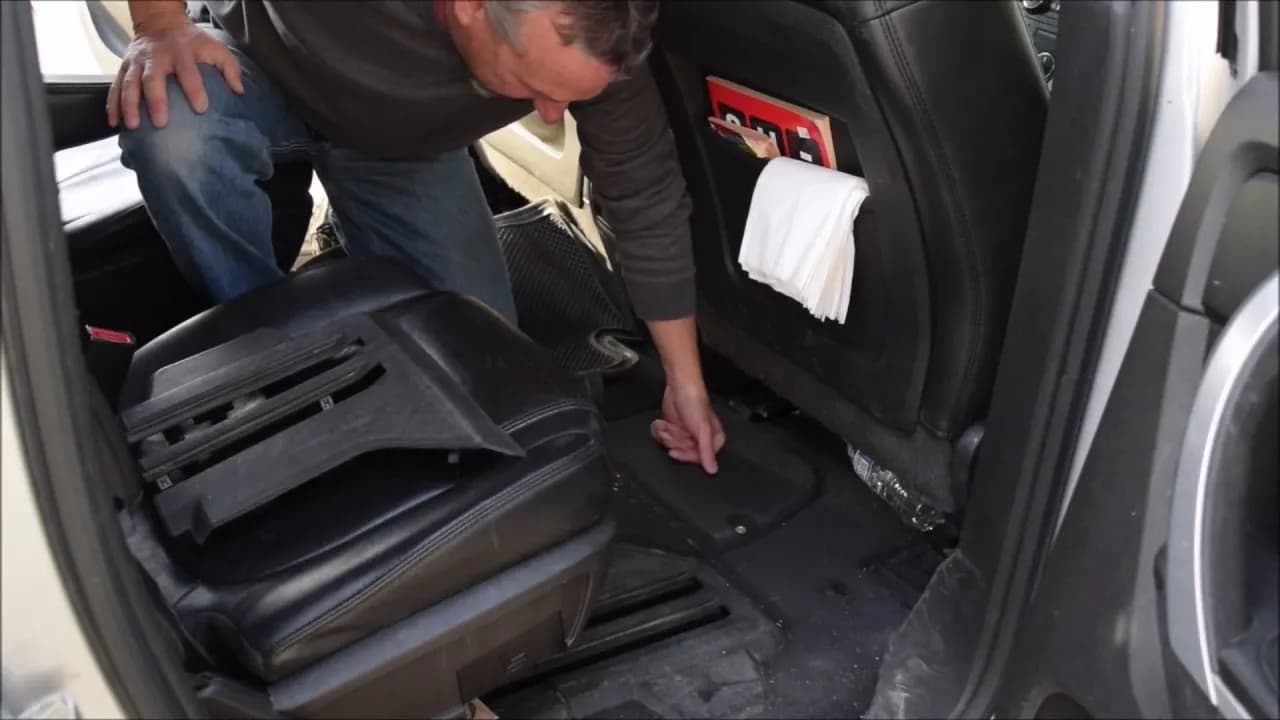
The GMC Acadia battery location is in the floor pan behind the front passenger seat. Just one small T20 Torx screw holds the battery cover.
 Acadia
How Many Miles Per Gallon Does The 2024 GMC Acadia Get?
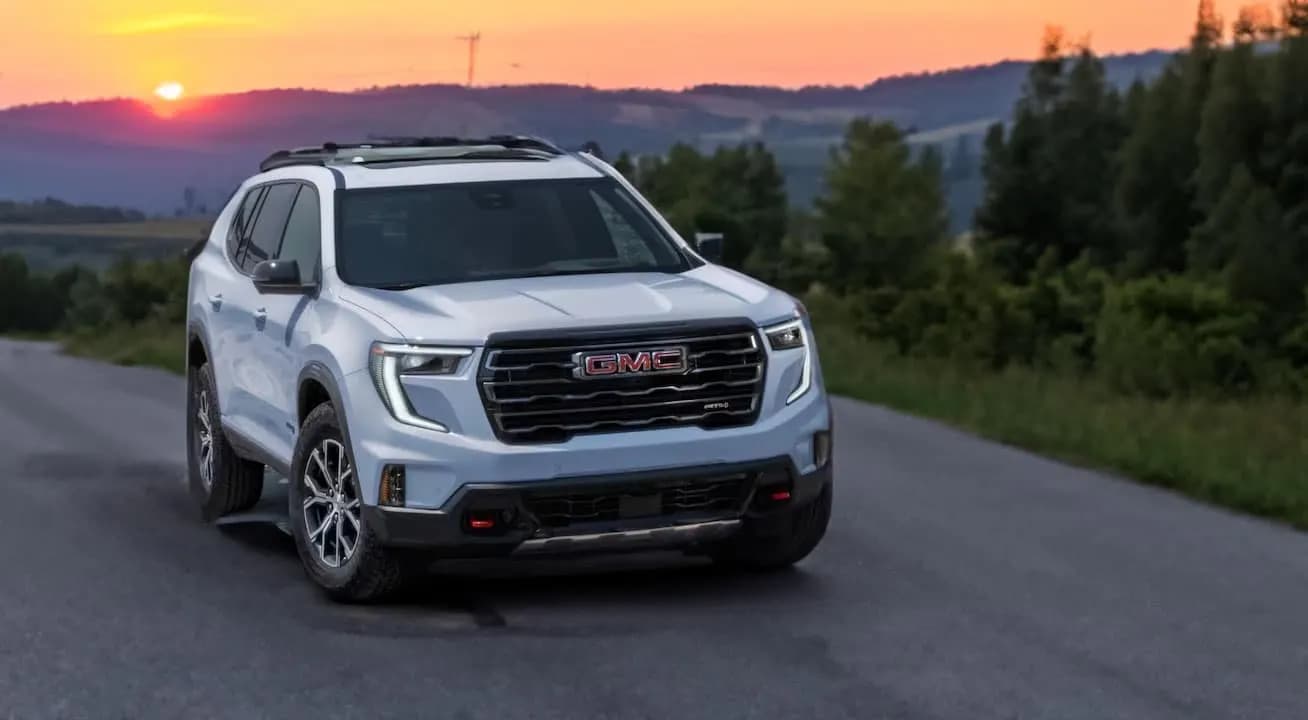
With the 2.5L I4 and front-wheel drive, the 2024 GMC Acadia is estimated to get 23 mpg in the city and 27 mpg on the highway.
 Acadia
Does The GMC Acadia Have Engine Problems?
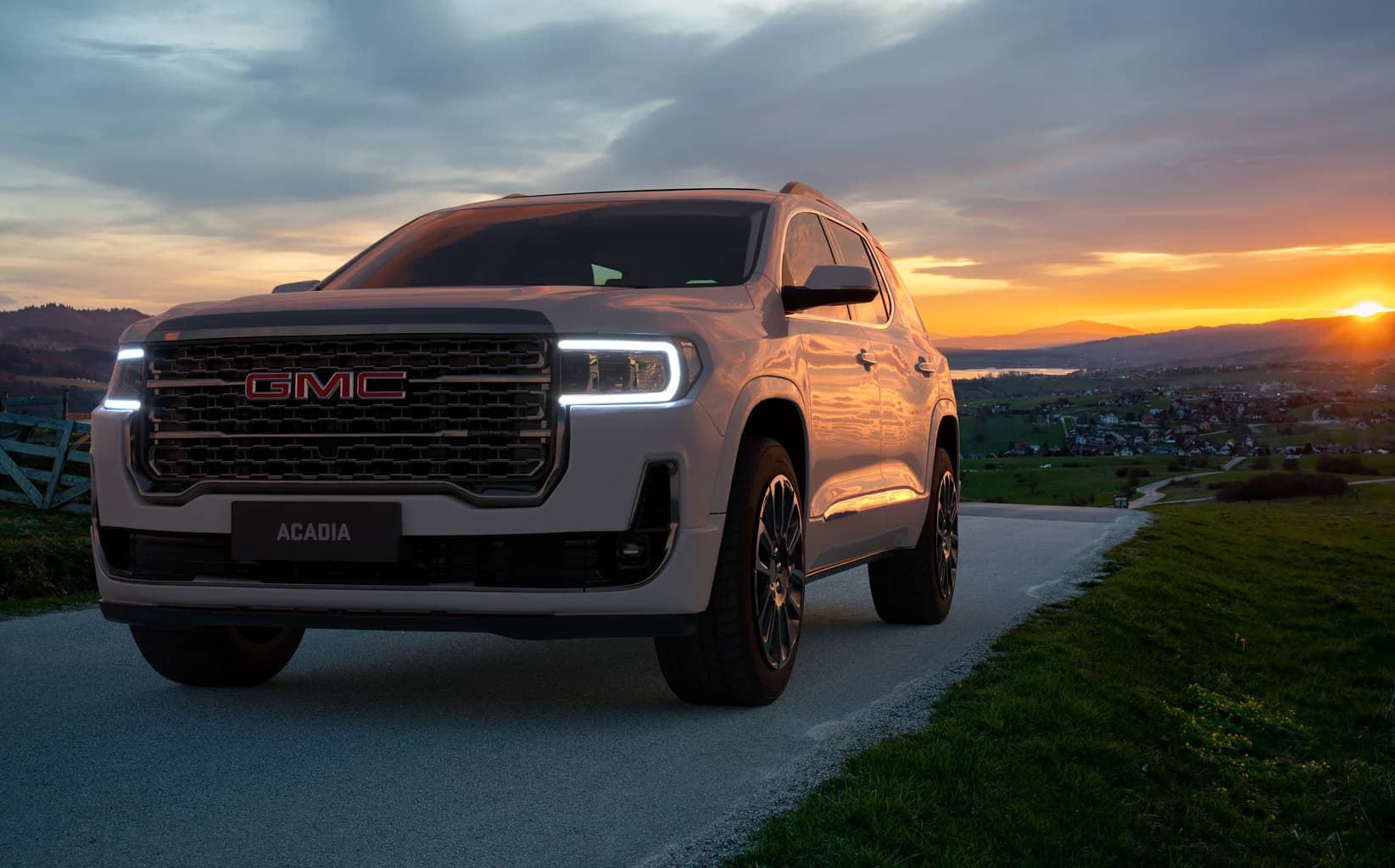
It’s tough to say exactly how widespread these engine problems are since every vehicle and driving situation is different.
 Acadia
How to Open GMC Acadia Trunk From Inside
Whether you need to haul groceries, sports gear, or luggage for trips, knowing how to easily open GMC Acadia trunk makes life more convenient.
 Acadia
How To Start GMC Acadia With Key Fob
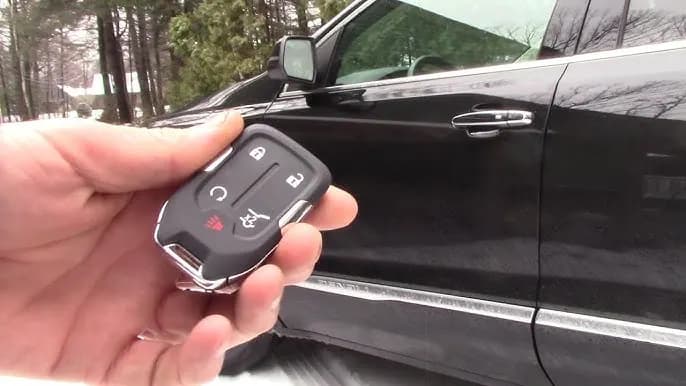
For the key fob to work and allow you to start GMC Acadia with key fob, the battery inside needs to be in good shape.
 Acadia
2014 GMC Acadia Oil Capacity
Checking and maintaining the proper 2014 GMC Acadia oil capacity is an important part of routine vehicle care.
More in GMC Ownership Guides
- GMC Acadia Airbag Inflator Recall is Happening
- How to Turn Off Speed Limit Exceeded Alert on a GMC Acadia
- 2007 GMC Yukon Denali 6.2 Oil Pressure Problems
- GMC Canyon Pickups Recalled Over Tight Nuts
- How to Remote Start GMC Truck
- 2009 GMC Sierra RPMs Drop When Shifting Into Gear
- Updated 2025 GMC Yukon Unveils Advanced Towing Technology
- 2024 GMC Canyon Recall: Fuel Tank Lock Ring Fire Risk
- 2024 GMC Sierra EV Recall: Dim Turn Signals Pose Safety Risk
- GM Releases Fix For 2024 GMC Yukon Battery Drain
- GMC Sierra 2.7L Turbo Fuel Injector Fix: GM Service Update
- GMC Truck Settlement: $35M for Faulty Fuel Injection Pumps