2003 GMC Yukon Brake Caliper Bolt Size
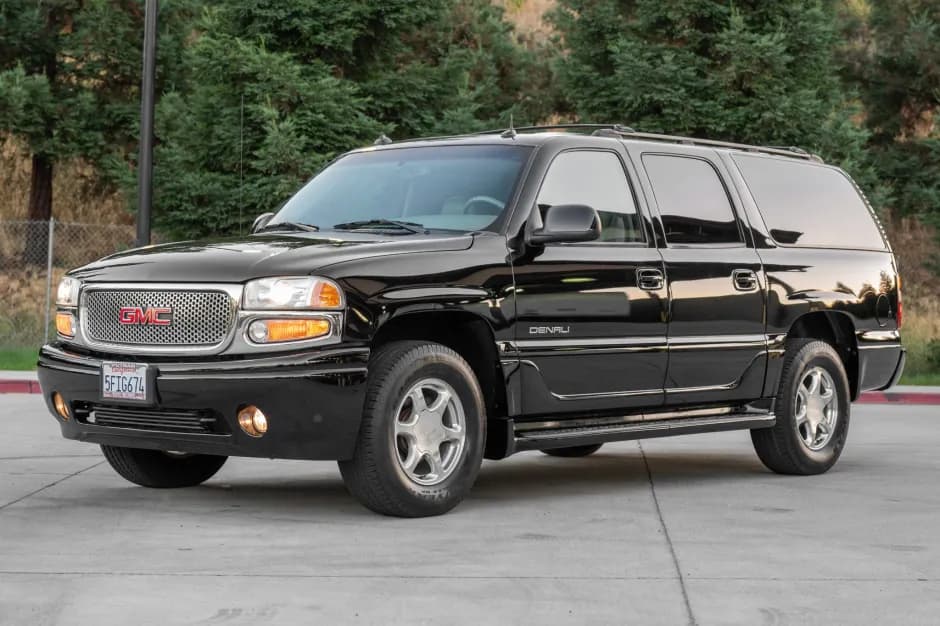
When it comes to maintaining your trusty 2003 GMC Yukon, one of the most important systems to keep an eye on is the brakes. After all, your brakes are ultimately what bring your heavy hauler to a stop, making them absolutely critical for safety. However, brake components like the 2003 GMC Yukon brake caliper bolt size are often overlooked in routine maintenance simply because they aren’t as visible as pads or rotors.
Over time, components like caliper bolts that are exposed to the elements can become corroded or seize up. So in this guide, we’ll take a closer look at 2003 GMC Yukon brake caliper bolt size and discuss why it’s important to inspect these nuts and bolts periodically to catch any potential issues before they cause a problem.
Identifying the Problem
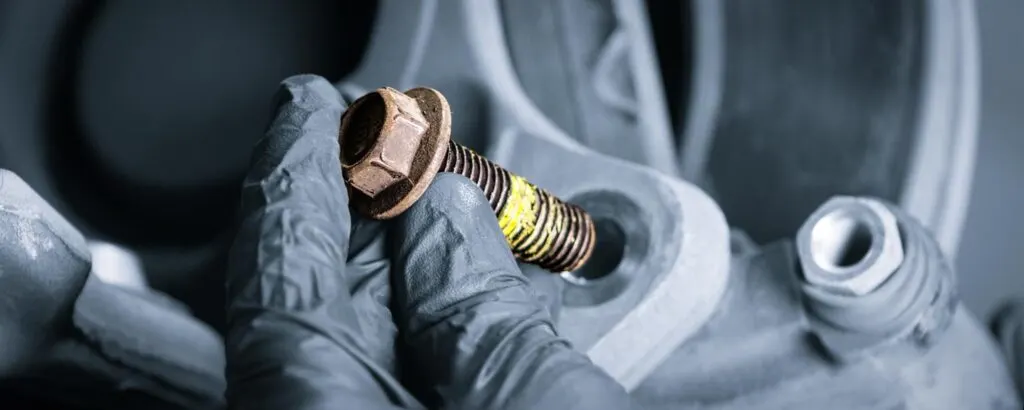
A grinding noise when braking, or a caliper bolt that looks visibly rusted or seized during a brake job, is usually the first sign it's time to inspect the caliper mounting hardware rather than just the pads.
Bolt Sizes for the 2003 GMC Yukon
Verify before you buy or torque: the figures below are commonly cited for this generation, but bolt specs can vary by trim and by whether a bolt has been previously replaced with a non-factory part. Confirm against your factory service manual or by taking the old bolt to a parts counter for a match before ordering.
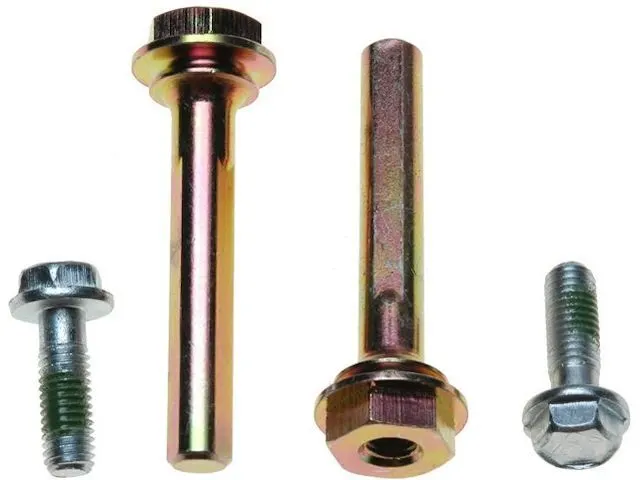
For most 2003 GMC Yukons, the front brake caliper bolts are metric M14 x 2.00 thread, typically removed with a Torx T55 bit; the caliper bracket-to-knuckle bolts are commonly 18mm hex. Rear caliper bolt specs can differ from the front, so don't assume the same size front and rear.
Swapping Out the Bolts
Jack the vehicle up and secure it on jack stands, then remove the wheel for clear access to the caliper. A rusted or seized bolt often needs penetrating oil and time to break free before it'll turn. Don't force it past the point where the tool starts to slip or round the fastener head. Once free, thread the new bolt in by hand first to confirm it's not cross-threading, then torque it to the spec in your factory manual (not a generic figure from an article) using a calibrated torque wrench.
After the Repair
Once the wheels are back on and torqued to spec, take the vehicle for a careful test drive in a controlled area before returning to normal driving, and confirm the grinding noise is gone and the pedal feels firm.
Preventing Future Issues
Once the brake caliper bolts are replaced, a few preventative steps help avoid a repeat problem down the road. Cleaning and lubricating the bolt threads with anti-seize compound before installing new hardware makes future removals easier and helps prevent rust from forming.
It's also worth giving the whole brake assembly a thorough cleaning and inspection for any other worn parts that might need attention soon. Addressing small issues early is generally cheaper and safer than waiting for them to turn into bigger problems.
Other Common Brake Jobs
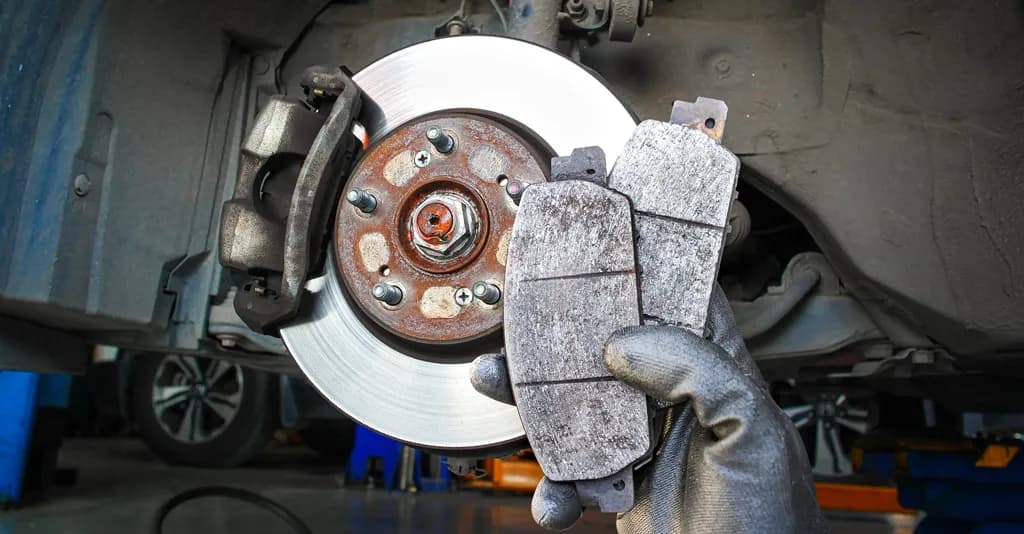
In addition to swapping out brake caliper bolts, there are a few other routine brake maintenance jobs you may encounter with your 2003 GMC Yukon. One is replacing worn brake pads. Over time, the friction material on the pads gets worn down and needs to be replaced.
It’s a pretty straightforward DIY job. You’ll also want to occasionally inspect brake rotors for warping or excessive grooving. Thin or warped rotors don’t distribute brake pressure evenly and can cause vibration. They typically need to be resurfaced or replaced.
Fluid Flushes Make a Difference
Another important maintenance task is flushing the brake fluid every couple years or so. Brake fluid is hygroscopic, meaning it absorbs moisture over time from the atmosphere. As it absorbs water, the boiling point decreases and braking performance suffers.
Fresh brake fluid helps ensure peak braking ability. It’s an easy weekend project to do a brake fluid flush. Just bleed the old fluid out and refill with new. Don’t forget the clutch fluid if you have a manual transmission too!
Upgrading Components for Performance
While you don’t necessarily need to upgrade brake components on a 2003 Yukon for daily driving, some owners like to beef things up a bit for towing or hitting the trails. Common performance upgrades include going with a larger brake kit with bigger calipers and rotors for improved stopping power and heat dissipation.
You’ll also find plenty of brake pad options that provide better grip, less dust, and higher temperature tolerance for aggressive uses. Always do your research to ensure any upgrades are compatible with your specific vehicle and application.
Final Thought
Diagnosing and fixing a rusty 2003 GMC Yukon brake caliper bolt often comes down to a simple fix: freeing or replacing a single seized bolt with the right tools and the correct torque spec. Owners comfortable with basic hand tools can usually handle this job themselves, while anyone unsure about the process should have a qualified GMC technician inspect the caliper hardware.
FAQ
What kind of brake pads should I use?
For normal street driving, a basic semi-metallic pad works well. It offers a good blend of stopping power, dust production and noise. For towing or off-road use, a performance ceramic pad grips better but makes more dust.
My brakes squeal, how do I stop it?
Give the brake pads and rotors a good cleaning with brake parts cleaner spray. Also lubricate the back of the pads with anti-squeal lubricant. Squealing is often caused by dirt or rust acting like sandpaper.
One of my calipers is sticking, what’s wrong?
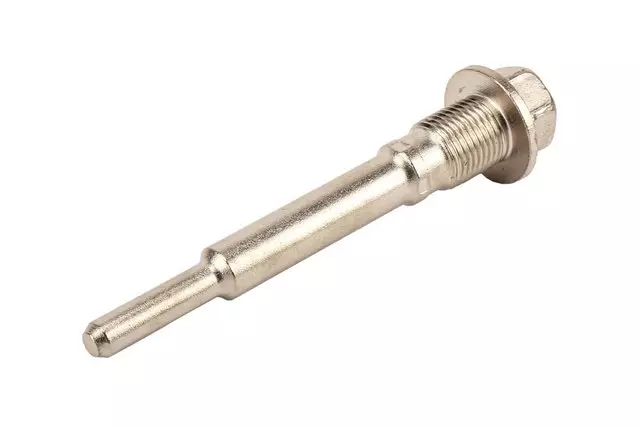
The caliper slide pins could be corroded or the caliper itself may have developed an internal leak. Try lubricating the pins with grease and see if that frees it up. If not, plan to rebuild or replace the troublesome caliper.
Can I turn my rotors myself?
You’ll need a rotor lathe machine to properly resurface rotors. These are available at most auto parts stores. It’s best to let a shop handle it though, as they can check runout and thickness more accurately than home methods.
What’s the best way to bleed my brakes?
The gravity bleed method works well and doesn’t require expensive tools. Leave the bleeder open and submerge the line in fluid until air bubbles stop coming out. Then tighten and move to the next wheel. Go low to high to purge air efficiently.
Safety note: This guide is for general informational purposes. Brake systems are safety-critical — if you're unsure at any step, or the work requires specialized tools, have it inspected or completed by a qualified technician.
Related Guides
 GMC Brakes
Brake Caliper Torque Specs For 2007 GMC Yukon
Get caliper torque guidance for the 2007 GMC Yukon, plus tips on caliper removal, new rotors, brake fluid flushes, and bracket bolt torque.
 GMC Brakes
How to Bed In New Brake Pads and Rotors on a GMC
How to bed in new brake pads and rotors on a GMC: 6 to 10 moderate stops from 30 to 35 mph, 2 to 3 firmer stops from 40 to 45 mph, then a cool-down.
 GMC Brakes
GMC Brake Pad Thickness Chart — When to Replace
New GMC brake pads start at about 10 to 12 mm. Plan a replacement around 3 to 4 mm and replace right away under 2 mm. Chart with symptoms by stage.
 GMC Brakes
Best Brake Pads for GMC Trucks: Types and Brands Compared
Ceramic, semi-metallic or organic? How each brake pad type behaves on a GMC truck or SUV, which one suits towing, and how to judge a brand.
 GMC Brakes
Updated 2025 GMC Yukon Unveils Advanced Towing Technology
The refreshed 2025 GMC Yukon keeps its 8,400-lb max towing rating and adds Blind Zone Steering Assist, Transparent Trailer View and Jackknife Alert.
 GMC Brakes
GM Releases Fix For 2024 GMC Yukon Battery Drain
Some 2024 GMC Yukons drain the battery after an over-the-air update. GM's fix reprograms the serial data gateway module at no cost to owners.
More in Brake Pads, Rotors & Calipers
- GMC Brake Calipers: When to Replace and How to Maintain
- 2022 GMC Savana 3500 Brake Kit, Rotors, and Pads
- GMC Brake Pad Wear Sensors
- GMC Acadia Brake Pads
- GMC Brake Rotor Retaining Screws
- GMC Sierra 1500 Brake Rotors
- ACDelco Brake Rotors for GMC
- 2018 GMC Sierra 1500 Brake Caliper Torque Specs
- What Does Service Brake Pad Monitor Mean on GMC Sierra?
- Best Brake Rotors for the GMC Acadia — Buyer's Guide
- GMC Canyon Brake Caliper Replacement Cost & Guide
- GMC Sierra 1500 vs 2500 Brake Pad Differences