GMC Brake Calipers: When to Replace and How to Maintain
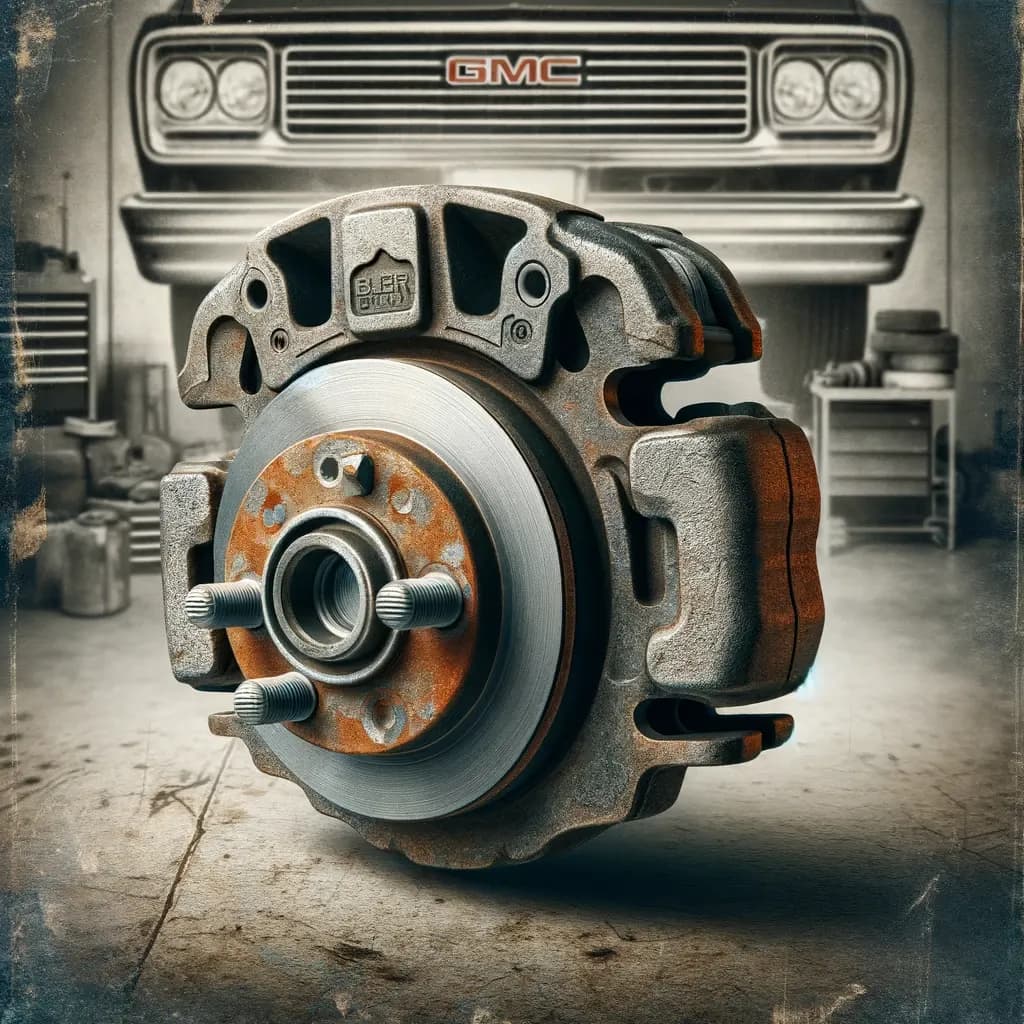
A GMC brake caliper usually lasts through several sets of pads, so it only needs replacing when it leaks fluid, the piston seizes, the housing is cracked or badly corroded, or it keeps dragging after the slide pins and hardware have been serviced. Many "bad caliper" symptoms, such as pulling, uneven pad wear or a hot wheel, actually come from seized slide pins, worn hardware or a collapsed brake hose, so check those first. When a caliper does fail, replace it, put new pads on both sides of that axle and bleed the brakes.
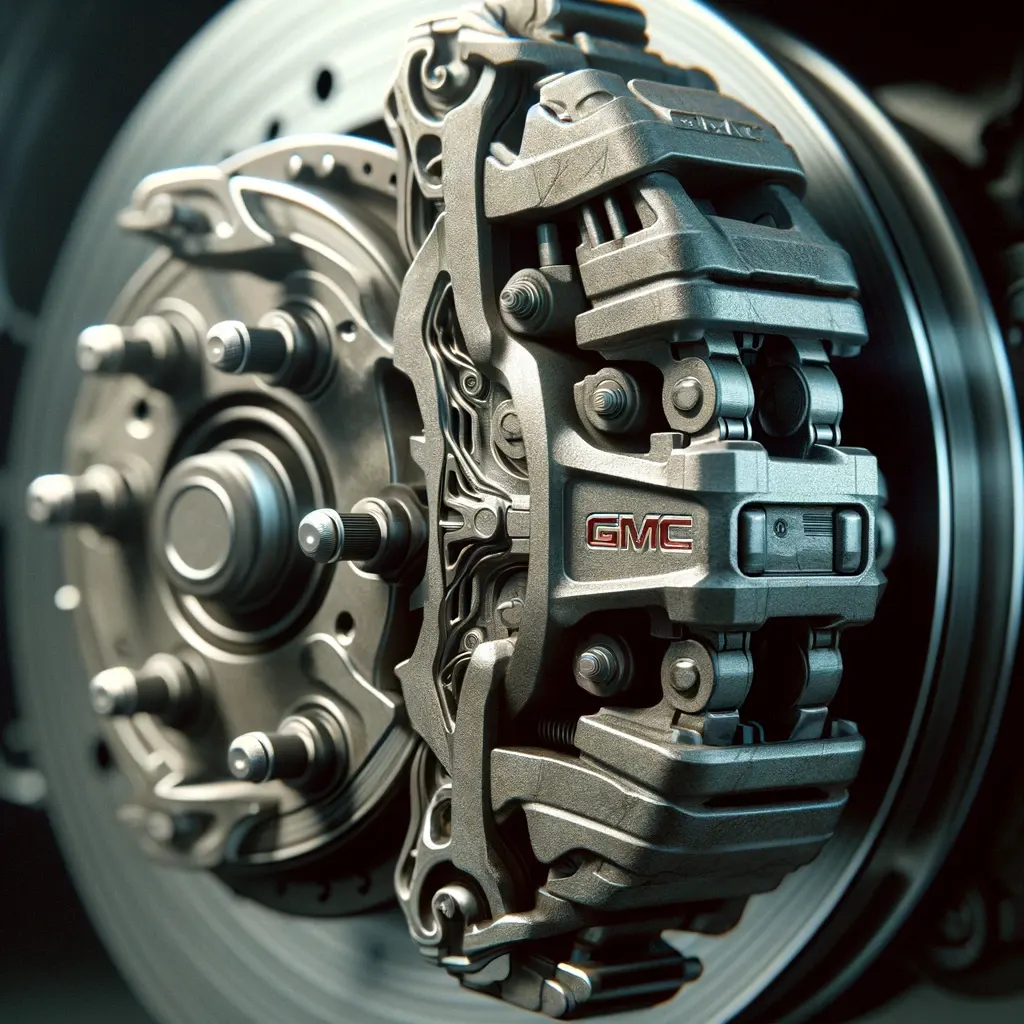
How a Brake Caliper Works
When you press the pedal, the master cylinder sends brake fluid under pressure to each caliper. That pressure pushes one or more pistons out of the caliper body, and the pistons clamp the pads against the rotor. A rubber square-cut seal around each piston holds the fluid in and pulls the piston back slightly when you release the pedal, so the pads stop dragging.
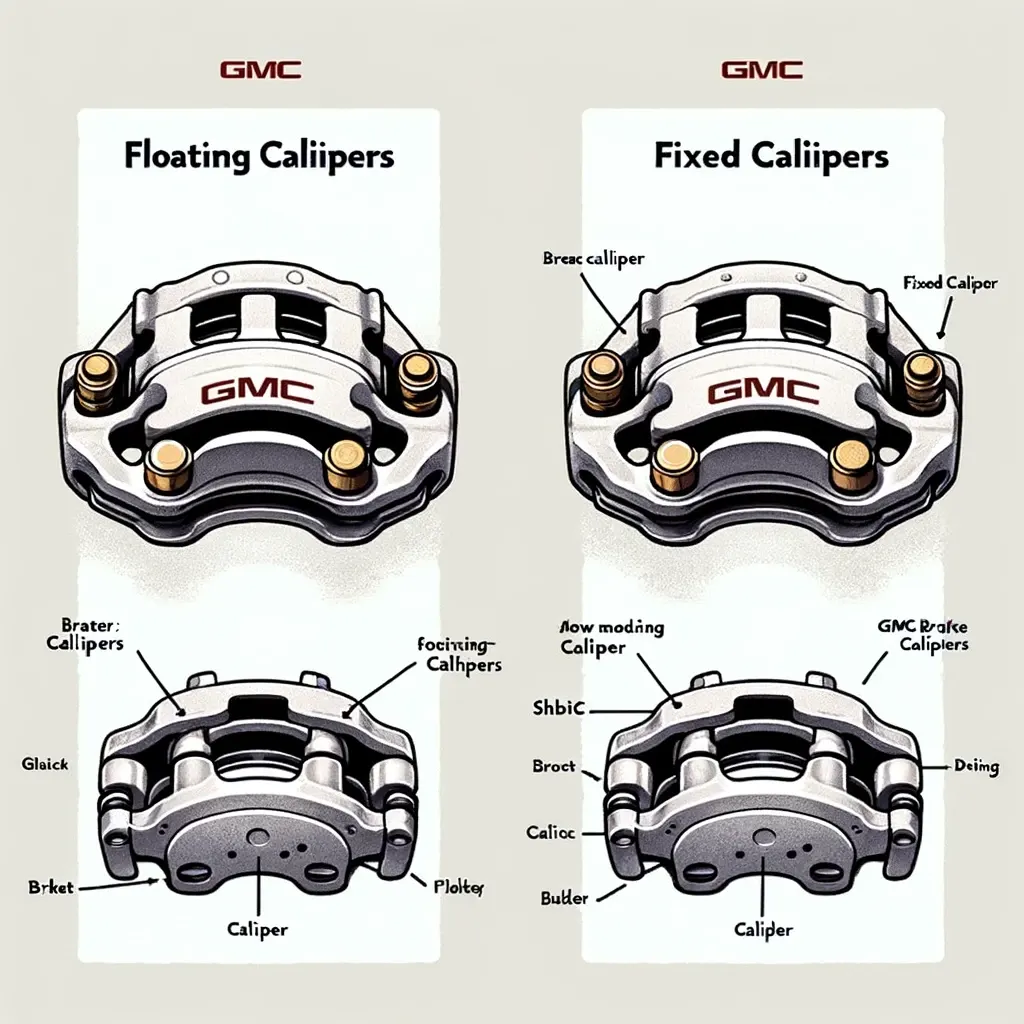
There are two basic designs:
| Floating (sliding) caliper | Fixed caliper | |
|---|---|---|
| Pistons | On the inboard side only | On both sides of the rotor |
| How it clamps | The piston pushes the inner pad; the caliper body slides on guide pins to pull the outer pad in | Opposing pistons push both pads directly |
| Moving parts to service | Guide (slide) pins, boots, bushings | Piston seals; no slide pins |
| Typical failure | Seized guide pins, causing drag and uneven pad wear | Stuck piston or leaking seal |
Floating calipers are widely used on trucks and SUVs, but GMC has used both designs, and the design can change by model, year and brake package. On the 2019-2025 Sierra 1500, for example, the rear calipers are the floating type with guide-pin bolts and carry the electric parking brake actuator, according to Brake & Front End's T1XX service overview. Check the parts catalog or service information for your exact truck before ordering.
Signs of a Bad or Sticking Caliper
| Symptom | Possible caliper cause | Also rule out |
|---|---|---|
| Truck pulls to one side when braking | Seized piston or guide pins on one side | Collapsed brake hose, contaminated pads, tire pressure, alignment |
| Truck pulls or drags while cruising; one wheel much hotter than the others | Caliper not releasing | Collapsed hose acting like a check valve, parking brake not fully released |
| Burning smell after a drive | Dragging caliper | Riding the brakes on a long grade |
| Inner and outer pads worn very differently | Seized guide pins on a floating caliper | Worn or rusted pad hardware |
| Brake fluid on the inside of the wheel or tire | Leaking piston seal or bleeder | Leaking hose or line |
| Falling fluid level in the reservoir | Leak at a caliper | Leak elsewhere in the system (the level also drops slowly as pads wear) |
| Soft or sinking pedal | Leaking caliper seal | Air in the lines, master cylinder, other causes of a soft pedal |
Any fluid leak or a sinking pedal is a stop-driving problem. Have the truck inspected before you drive it further.
For noises specifically (squeal, grinding, clunk), the GMC brake noise chart matches each sound to its likely cause.
Repair or Replace?
- Seized or dry guide pins, torn boots: service or replace the pins, boots and bushings. The caliper itself is often fine.
- Worn or rusted abutment clips and shims: replace the hardware kit. See GMC brake hardware.
- Piston stuck, leaking seal, torn piston boot, cracked or badly pitted housing: replace the caliper with a new or remanufactured unit, or rebuild it with a seal kit if you have the tools and the bore is undamaged.
- Stripped bleeder or damaged threads: usually replace the caliper.
Pairs or single? A caliper can be replaced on its own, but many technicians replace calipers as an axle pair so both sides respond the same way. Either way, GM's owner's manual says brake pads should always be replaced as complete axle sets, so fit new pads on both sides whenever one caliper is replaced.
Replacing a GMC Caliper: What to Know Before You Start
- Bleed the brakes afterward. Opening the hydraulic line lets air in. See how to bleed GMC Sierra brakes.
- Use new sealing washers on banjo-style brake hose fittings.
- Torque to spec. Caliper and bracket bolts vary a lot by generation and brake package. For published values on specific trucks, see the 2018 GMC Sierra 1500 caliper torque specs, 2020 Sierra brake job specs and 2007 Yukon caliper torque specs. Confirm with the service information for your VIN.
- Electric parking brake on newer trucks. On a 2019-2025 Sierra 1500, the rear caliper has a parking-brake actuator. Brake & Front End's procedure puts the parking brake in service mode before work, removes the actuator for complete caliper service, fits a new actuator-lever seal and finishes with a Park Brake Calibration.
- Keep the hose unstressed. Never let a caliper hang on its brake hose.
Maintenance That Keeps Calipers Working
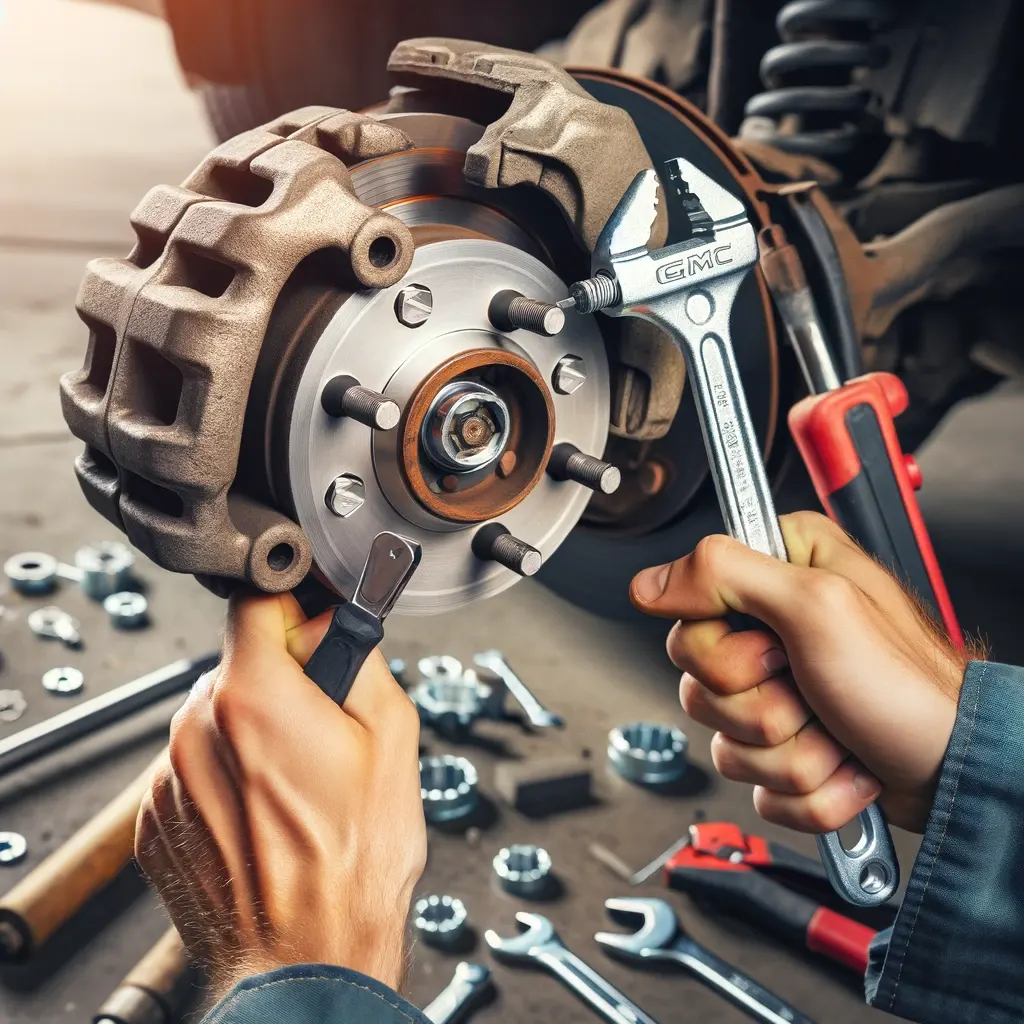
- Inspect at every tire rotation. GM's 2020 Sierra owner's manual lists "inspect brake system" among the required services at each rotation and says to inspect the pads then too. Look for leaks, torn boots and uneven pad wear.
- Service the slide pins at each pad change. Clean them, check the boots and use a brake grease that's safe for the rubber parts.
- Change the brake fluid on schedule. Brake fluid absorbs water over time, and moisture corrodes pistons and bores. The 2020 Sierra maintenance schedule calls for replacing brake fluid every five years. For fluid types, see brake fluid types for GMC Sierra models.
- Rinse off mud after off-road driving. GM Service Bulletin 21-NA-089 traces premature rear pad wear on 2019-2025 Sierra 1500s to mud and debris packing into the rear calipers and holding the pads against the rotors. GM's fix is a shielded rear caliper (RPO RG1), and the bulletin warns that wear from uncleaned mud isn't covered by warranty.
- Replace hardware with the pads. New clips let the pads slide freely, which keeps the caliper from working against them.
For a broader maintenance routine, see GMC brake system maintenance.
Frequently Asked Questions
How long do GMC brake calipers last?
There's no fixed replacement interval. Calipers are replaced when they fail, not on a schedule, and they typically last through several pad replacements. Moisture in old brake fluid, road salt and mud shorten their life, which is why fluid changes and cleaning matter.
Can I drive with a sticking caliper?
Only as far as a safe place to have it fixed. A caliper that won't release overheats the pads and rotor, and a caliper that won't apply causes a pull and longer stops. If you smell burning brakes or see fluid at a wheel, stop driving and have it inspected.
Should I replace both calipers on an axle?
It isn't mandatory, but many technicians replace calipers in axle pairs so both sides brake the same way. New pads should go on both sides of the axle either way.
What causes a GMC caliper to stick?
Common causes are corroded or unlubricated guide pins, torn boots that let water and dirt in, rust on the piston or in the bore, corroded pad hardware, and mud packed into the caliper. A brake hose that has collapsed inside can also hold pressure on the caliper, which looks like a stuck caliper.
Do I need to bleed the brakes after replacing a caliper?
Yes. Disconnecting the brake hose lets air into the system. Bleed at least that caliper, following the bleeding procedure in the service information for your truck.
Safety note: This guide is for general informational purposes. Brake systems are safety-critical — if you're unsure at any step, or the work requires specialized tools, have it inspected or completed by a qualified technician.
Related Guides
 GMC Brakes
How to Bed In New Brake Pads and Rotors on a GMC
How to bed in new brake pads and rotors on a GMC: 6 to 10 moderate stops from 30 to 35 mph, 2 to 3 firmer stops from 40 to 45 mph, then a cool-down.
 GMC Brakes
GMC Brake Pad Thickness Chart — When to Replace
New GMC brake pads start at about 10 to 12 mm. Plan a replacement around 3 to 4 mm and replace right away under 2 mm. Chart with symptoms by stage.
 GMC Brakes
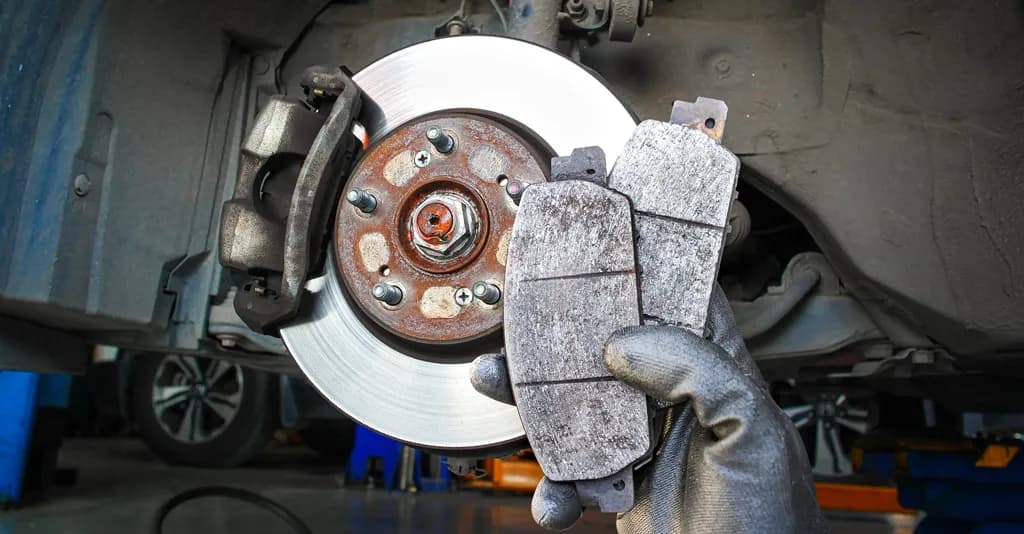
Best Brake Pads for GMC Trucks: Types and Brands Compared
Ceramic, semi-metallic or organic? How each brake pad type behaves on a GMC truck or SUV, which one suits towing, and how to judge a brand.
 GMC Brakes
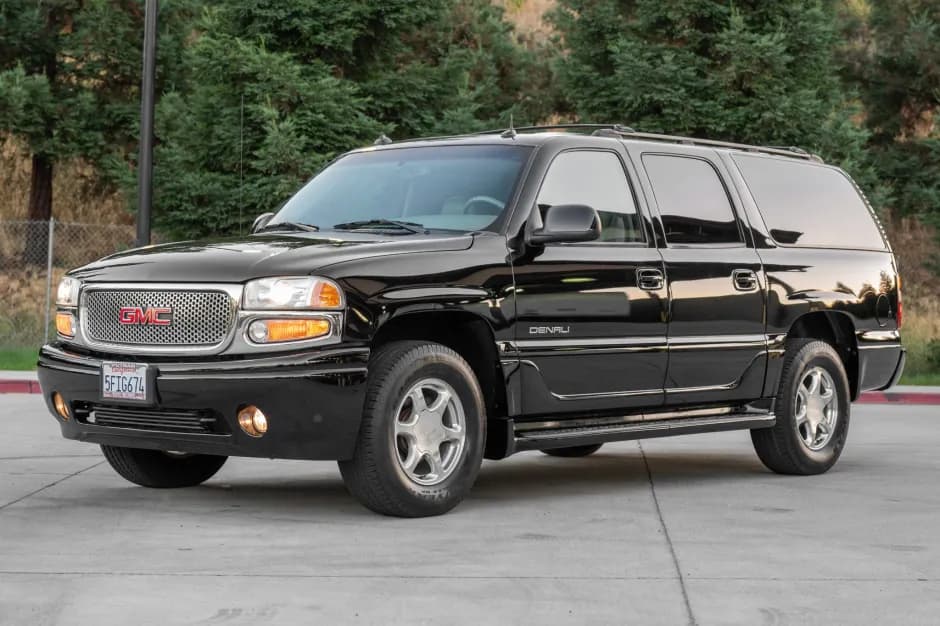
2003 GMC Yukon Brake Caliper Bolt Size
Everything you need to know about 2003 GMC Yukon brake caliper bolt sizes. Learn the specs for front and rear caliper bolts.
 GMC Brakes
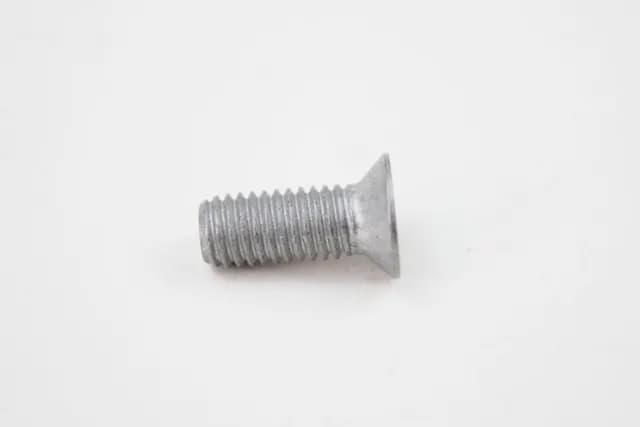
GMC Brake Rotor Retaining Screws
GMC Brake Rotor Retaining Screws ensure rotor alignment for safe braking. Essential for vehicle stability, they require regular checks.
 GMC Brakes
ACDelco Brake Rotors for GMC
Get the best for your ride with ACDelco Brake Rotors for GMC. Perfect fit, enhanced safety, and lasting performance. Upgrade now!
More in Brake Pads, Rotors & Calipers
- Brake Caliper Torque Specs For 2007 GMC Yukon
- 2022 GMC Savana 3500 Brake Kit, Rotors, and Pads
- GMC Brake Pad Wear Sensors
- GMC Acadia Brake Pads
- GMC Sierra 1500 Brake Rotors
- 2018 GMC Sierra 1500 Brake Caliper Torque Specs
- What Does Service Brake Pad Monitor Mean on GMC Sierra?
- Best Brake Rotors for the GMC Acadia — Buyer's Guide
- GMC Canyon Brake Caliper Replacement Cost & Guide
- GMC Sierra 1500 vs 2500 Brake Pad Differences
- The Best Brake Pads For 2015 GMC Sierra 1500
- The Best Brake Pads for 2018 GMC Sierra 1500 Trucks