GMC Brake Maintenance: Intervals, Fluid, Towing, Winter
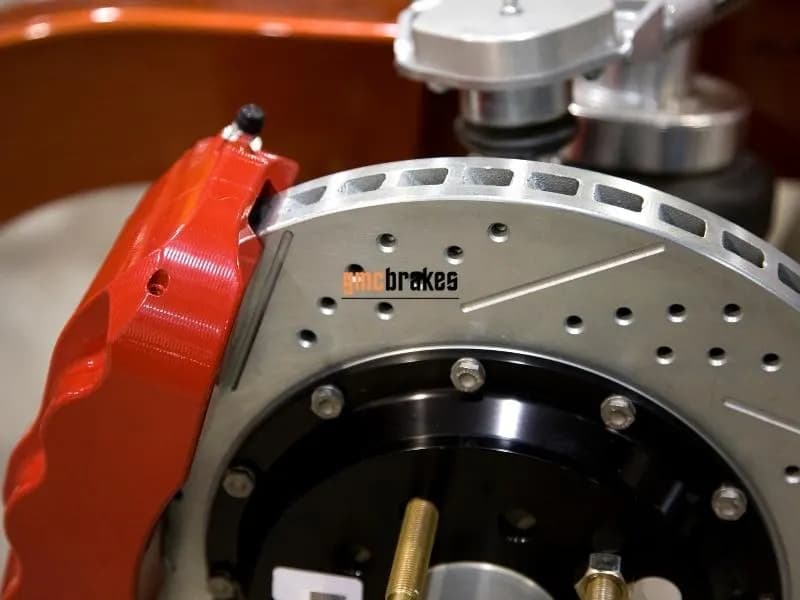
GM's schedule for trucks like the Sierra calls for a brake system inspection at every tire rotation (every 7,500 miles on recent models) and a brake fluid replacement on a fixed time interval that depends on model year: every 3 years on the 2015 Sierra schedule and every 5 years in the 2020 Sierra owner's manual. Pads and rotors are replaced on condition, not mileage. Towing, mountain driving and road salt all shorten that condition-based life, so those trucks need closer checks.
GMC Brake Maintenance Intervals
| Item | Interval | Source / note |
|---|---|---|
| Brake system inspection (lines, hoses, pads, rotors, drum linings) | Every tire rotation; GM recommends every 7,500 miles on the Sierra | GM maintenance schedule |
| Brake fluid replacement | Every 5 years (2020 Sierra manual); every 3 years (2015 Sierra schedule) | Varies by model year, so check your owner's manual |
| Brake fluid level check | Whenever the hood is open; the red brake light also warns of low fluid | Low fluid usually means worn pads or a leak |
| Pads | When the wear indicator squeals, the pad-life system asks for it, or measurement says so | Replace as complete axle sets |
| Rotors | On condition: scoring, pulsation, or below minimum thickness | Minimum thickness is cast or stamped on the rotor |
| Wheel nut torque | At every tire rotation, in the correct sequence | Uneven torque can cause brake pulsation |
| Dual-rear-wheel trucks | Check wheel nut torque at 100, 1,000 and 6,000 miles, and after any wheel service | GM special-application service |
| Underbody flush | At least twice a year, spring and fall | Removes salt and corrosive material |
| Parking brake check | At the required-services visit | GM maintenance schedule |
Maintenance items and intervals change between model years, so treat the table as a guide and confirm against the owner's manual or maintenance schedule for your GMC's year and model.
What a Proper Brake Inspection Covers
GM's checklist in the 2020 GMC Sierra owner's manual is short and specific: inspect brake lines and hoses for proper hook-up, binding, leaks, cracks and chafing; inspect disc pads for wear and rotors for surface condition; inspect drum linings or shoes for wear or cracks; and inspect all other brake parts. It sits on the same list as the tire rotation, which is convenient because the wheels are already off.
A thorough inspection should also include:
- Pad thickness on both the inner and outer pad. The inner pad often wears faster when slide pins are sticking. Our GMC brake pad thickness chart shows what the measurements mean.
- Caliper slide pins and hardware. Pins should move freely in clean grease. Seized pins cause uneven pad wear, pulling and heat. See GMC brake calipers.
- Rotor surface and edge lip. A deep lip or heavy grooves mean the rotor is near the end of its life.
- Hose condition. Look for cracking, swelling and chafing where hoses flex with the suspension.
- Steel line corrosion. Pay particular attention to clips and bends on trucks from salt states. See GMC brake lines.
- Rear drums, where fitted. Look for shoe wear and wheel-cylinder seepage; see GMC brake drums.
Brake Fluid: Type and Replacement
Brake fluid absorbs water over time, and GM states in the owner's manual that this reduces the fluid's effectiveness. The manual's instruction is to replace it at the specified interval to prevent increased stopping distance. That's why GM schedules the change by time, not mileage: a truck that sits still keeps absorbing moisture.
The published interval has changed over the years. The 2015 GMC Sierra maintenance schedule lists "change brake fluid (or every 3 years, whichever occurs first)," while the 2020 Sierra manual says to replace brake fluid every five years. If your truck isn't one of those years, use the interval printed in your own manual rather than either number above.
Fluid type matters too. The 2020 Sierra manual specifies GM-approved DOT 4 for the 1500 and DOT 3 for the 2500/3500, as marked on the reservoir cap. Always use what the cap and manual specify, from a clean sealed container. Our guide to GMC Sierra brake fluid types explains the difference, and how to bleed GMC Sierra brakes covers the flush and bleed sequence.
Two points from GM that often surprise owners:
- Don't simply top off a low reservoir. GM says the level drops for two reasons: normal pad wear, or a leak. Adding fluid doesn't fix a leak, and if you top off with worn pads the reservoir will overflow when new pads push the pistons back. Find the cause first.
- Brake fluid damages paint. Wash off any spill immediately.
Pads, Rotors and Break-In
Pads are a condition-based item. On many newer Sierras, a brake pad life system estimates remaining life for each axle and shows it in the Driver Information Center. It must be reset after new pads go in; see the Service Brake Pad Monitor guide and the 2020 Sierra pad monitor reset. Trucks without the system still have the audible wear indicators.
GM's rules for pad replacement:
- Replace pads as complete axle sets. Never replace just one side.
- Use new, approved replacement parts. GM warns that the wrong parts, or parts installed incorrectly, can change braking performance.
- Break in new linings. GM advises avoiding hard stops for roughly the first 200 miles after new pads or shoes go in, because hard stops before break-in can cause premature wear.
Replacing rotors with every pad change isn't automatic. If the rotor is above minimum thickness, runs true and has no deep scoring, it can often be reused or resurfaced. If you feel pulsation, the usual cause is thickness variation from runout rather than a truly warped rotor. Cleaning rust off the hub face before installing the rotor and torquing the wheel nuts evenly prevents a lot of it. For the full job, see how to change brakes on a 2020 GMC Sierra.
Towing and Heavy Loads
GM places trucks that frequently tow a trailer, or that are mainly driven in hilly or mountainous terrain, under its severe service schedule. Towing adds heat and mass, and heat is what wears pads, glazes rotors and boils old fluid.
Habits that protect the brakes when towing, all consistent with GM's guidance:
- Use Tow/Haul mode and lower gears on grades. GM's Tow/Haul Grade Braking uses the engine and transmission to help hold speed on downhill grades. The manual warns that using the brakes alone on a long downhill can overheat them, reduce performance and could result in a loss of braking.
- Watch for the brake fade message. Some newer GMC trucks detect brake fade and display a warning. Ease off the pedal and select a lower gear.
- Set up trailer brakes properly. The 2020 Sierra manual states that loaded trailers over 2,000 lb must have their own brakes on each axle. State rules vary, so check them too. GM also warns never to tap into the truck's hydraulic brake system for trailer brakes. Set controller gain with our trailer brake gain settings guide and how to use a GMC trailer brake controller.
- Test trailer brakes before every trip. GM recommends getting the combination moving and then applying the trailer brake controller manually to confirm the trailer brakes work.
- Inspect more often. If you tow regularly, check pads and fluid condition between scheduled visits, especially after a mountain trip.
If your stock brakes fade under your normal towing load, see aftermarket brake upgrades for the GMC Sierra.
Cold Weather and Road Salt
Cold itself is rarely what hurts brakes. Salt, brine and moisture are.
- Corrosion: Road salt attacks steel brake lines, caliper brackets, slide pins and the hub face behind the rotor. GM's manual recommends flushing the underbody with plain water at least twice a year, in spring and fall. On salt-state trucks, a rinse after heavy salt exposure also helps.
- Seized slide pins: Corroded pins keep one pad dragging. That shows up as uneven pad wear, a pull, or a hot wheel. Clean and re-grease them at the fall inspection.
- Surface rust squeak: A light layer of rust on the rotors overnight is normal and usually clears after a few stops. GM notes that some climates cause a squeal on first or light application that doesn't indicate a problem.
- Wet or icy brakes: After deep water, slush or a car wash, GM recommends lightly applying the brake pedal until the brakes work normally. Wet brakes can cause a pull and may not work as well in a quick stop.
- Stopping distance on snow is about tires. Any brake system can lock a wheel on ice; tire grip decides how fast you stop. ABS is there to help you keep steering control while braking hard, not to guarantee a shorter stop on a slick surface. See ABS brakes in GMC vehicles.
DIY or Shop?
Checking fluid level, looking at pad thickness through the wheel, and flushing the underbody are easy owner jobs. Replacing pads and rotors is a reasonable DIY job with jack stands, a torque wrench, brake cleaner and the right grease. Bleeding, ABS-related work and anything involving the pad-life system reset, electric brake boost or a service mode is where many owners hand the job to a shop. GM's own warning is to do maintenance work only if you have the required information, tools and equipment.
If you're pricing the work, see GMC brake system replacement costs. If something already feels wrong, start with the GMC brake warning signs chart.
Frequently Asked Questions
How often should I change the brake fluid on my GMC?
Use the interval in your owner's manual for your exact model year. The 2020 Sierra manual says every five years; the 2015 Sierra maintenance schedule says every three years. GM schedules fluid by time because the fluid absorbs moisture even when the truck isn't driven.
How often should GMC brakes be inspected?
GM includes a brake system inspection in the required services done with each tire rotation, which it recommends every 7,500 miles on the Sierra. If you tow often or drive in mountains, GM classes that as severe service, and more frequent checks make sense.
Should I top off my brake fluid if it's low?
Not without finding out why. GM explains that the level drops either from normal pad wear or from a leak. Topping off hides a leak, and with worn pads it can overflow the reservoir when new pads are installed.
Does towing wear out GMC brakes faster?
Yes. GM puts trucks that frequently tow under the severe service schedule. Using Tow/Haul mode, lower gears on downgrades, and properly adjusted trailer brakes reduces the heat that wears the truck's brakes.
How do I protect my brakes from road salt?
Rinse the underbody with plain water at least in spring and fall, as GM recommends, and more often in heavy-salt winters. Clean and re-grease caliper slide pins at the fall inspection, and check steel brake lines for scaling at the clips.
Safety note: This guide is for general informational purposes. Brake systems are safety-critical — if you're unsure at any step, or the work requires specialized tools, have it inspected or completed by a qualified technician.
Related Guides
 GMC Brakes
GMC Brake Pedal Pulsation and Steering Shake: Causes
A pulsing pedal or shaking wheel under braking usually means uneven rotor thickness from pad deposits, not a heat-warped rotor. How to find and fix it.
 GMC Brakes
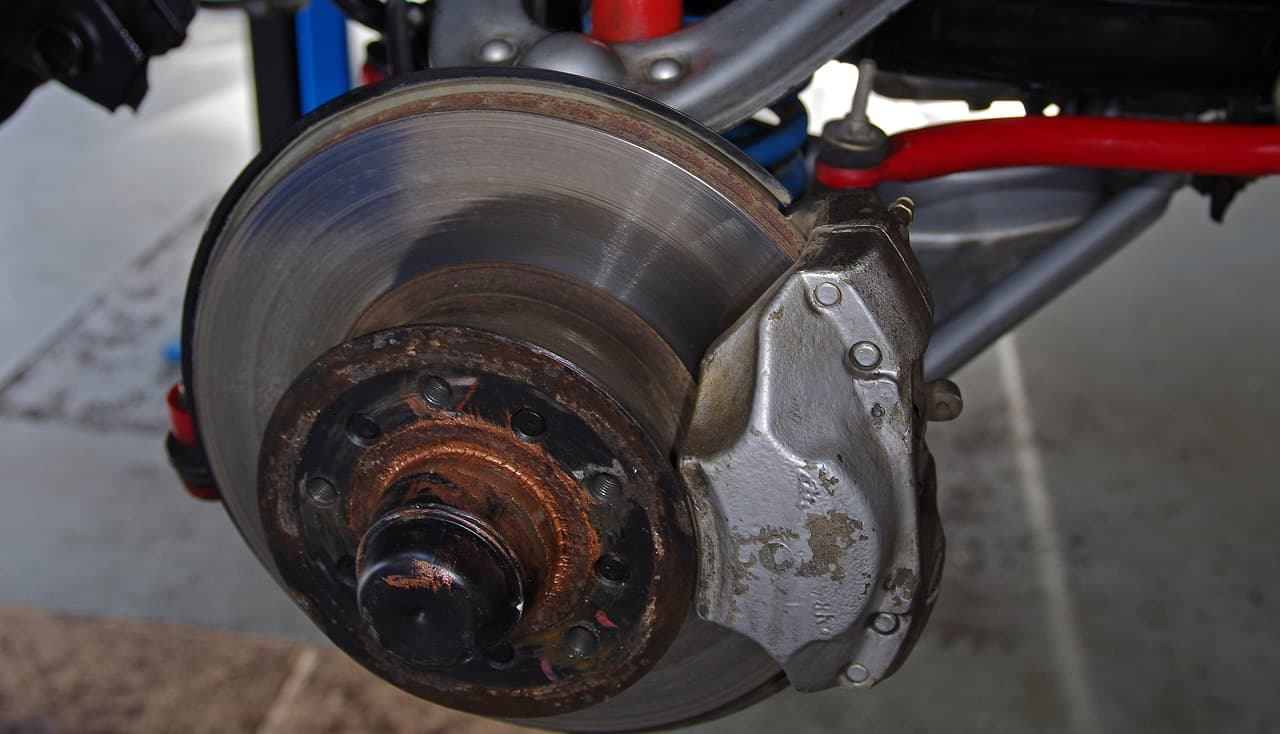
GMC Brake Noise Chart: What Each Sound Means
Match your GMC brake noise, from squealing and grinding to creaking when the pedal is pressed, to its likely cause and how urgently to act.
 GMC Brakes
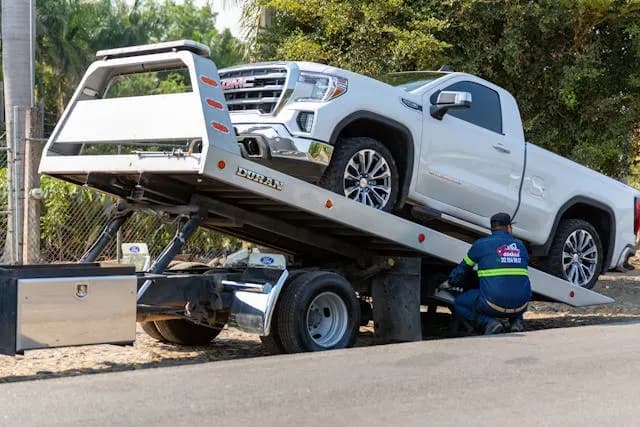
GMC Brake Error Message: Causes and Solutions
A GMC brake error often traces to wheel speed sensors, low brake fluid, the ABS module, or wiring. See the symptoms, diagnostic steps, and fixes.
 GMC Brakes
What Does GMC Lifetime Brake Service Really Cover?
GMC lifetime brake service covers replacement pads for as long as you own the vehicle, but not labor, rotors, calipers or fluid. See if it's worth it.
 GMC Brakes
GMC Brake Booster: Vacuum vs. Hydroboost Explained
A GMC brake booster multiplies pedal force using engine vacuum or power steering pressure. Learn which type your truck has and how to test it.
 GMC Brakes
GM Throttle Body Fix for 2021 GMC Canyon Duramax Diesel
GM Special Coverage N242445290 covers a throttle body calibration fault on the 2021 GMC Canyon 2.8L Duramax. Learn the symptoms and the free dealer fix.
More in GMC Brake Problems
- Rear Disc Brake Conversion for GMC Sierra 1500 (2005-2013)
- 2008 GMC Yukon Brake Light Bulb Size (2007-2014 Chart)
- GMC Envoy Third Brake Light and Moulding (2002-2009)
- GMC Yukon Brake Replacement Cost: Pads, Rotors, Calipers
- How GMC Brake Systems Work: Hydraulics to StabiliTrak
- GMC Canyon Brake Problems and Recalls by Generation
- GMC Yukon Brake System Guide (2015-2023)
- How to Bleed GMC Sierra Brakes: Sequence and Steps
- Changing Rear Drum Brakes on a 2007-2013 GMC Sierra 1500
- GMC ABS Brakes: How They Work and Why the Light Comes On
- GMC Big Brake Kits: Wheel Clearance, Fitment, Options
- GMC Sierra & Yukon Brake Line Diagram and Repair Guide