GMC Brake Drums
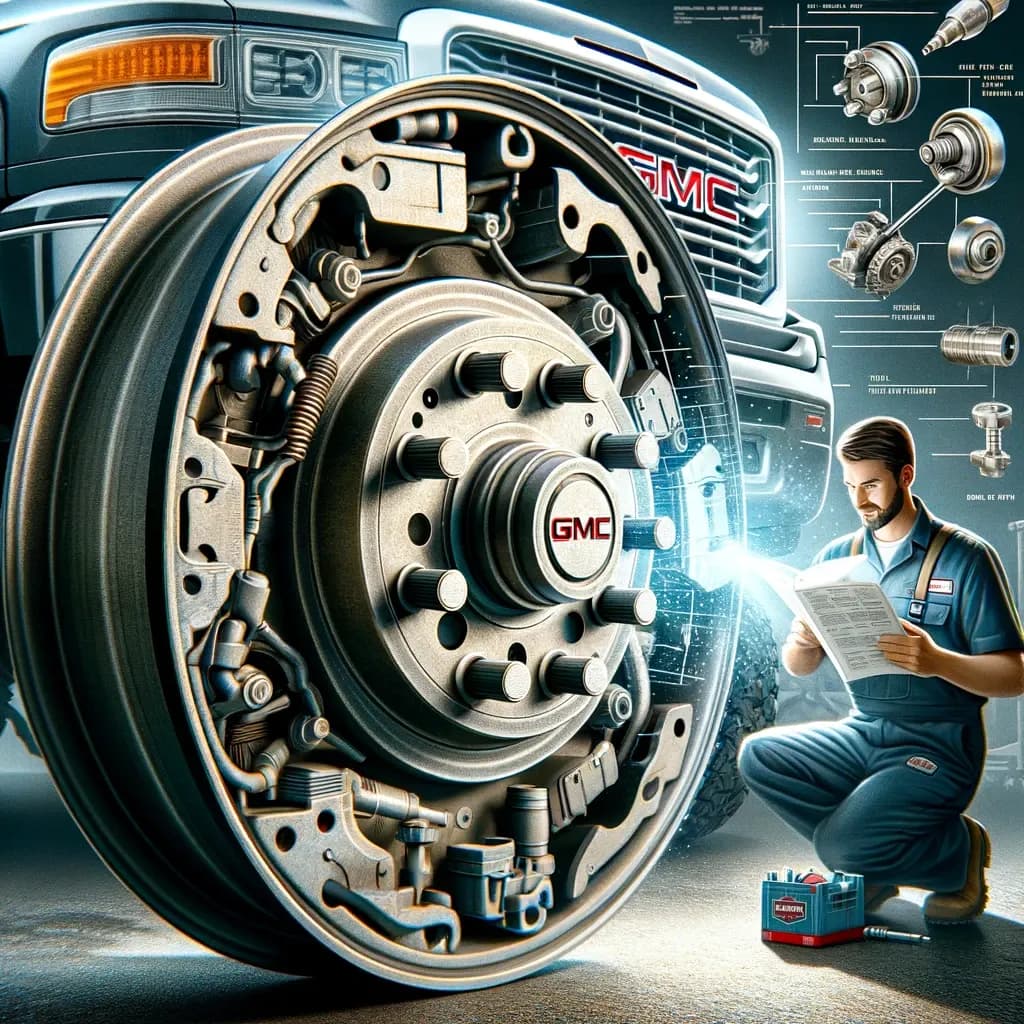
GMC Brake Drums are a component that owners of many GMC trucks and SUVs often overlook, even though they remain a key part of the rear braking system on models that use them.
What are GMC Brake Drums?
GMC Brake Drums are a type of rear brake system used on many GMC trucks and SUVs, most often located at the rear axle.
Unlike disc brakes, which use calipers and rotors, GMC Brake Drums rely on brake shoes and a drum assembly. This design has been used in vehicles for decades and has a long track record of reliability across different driving conditions.
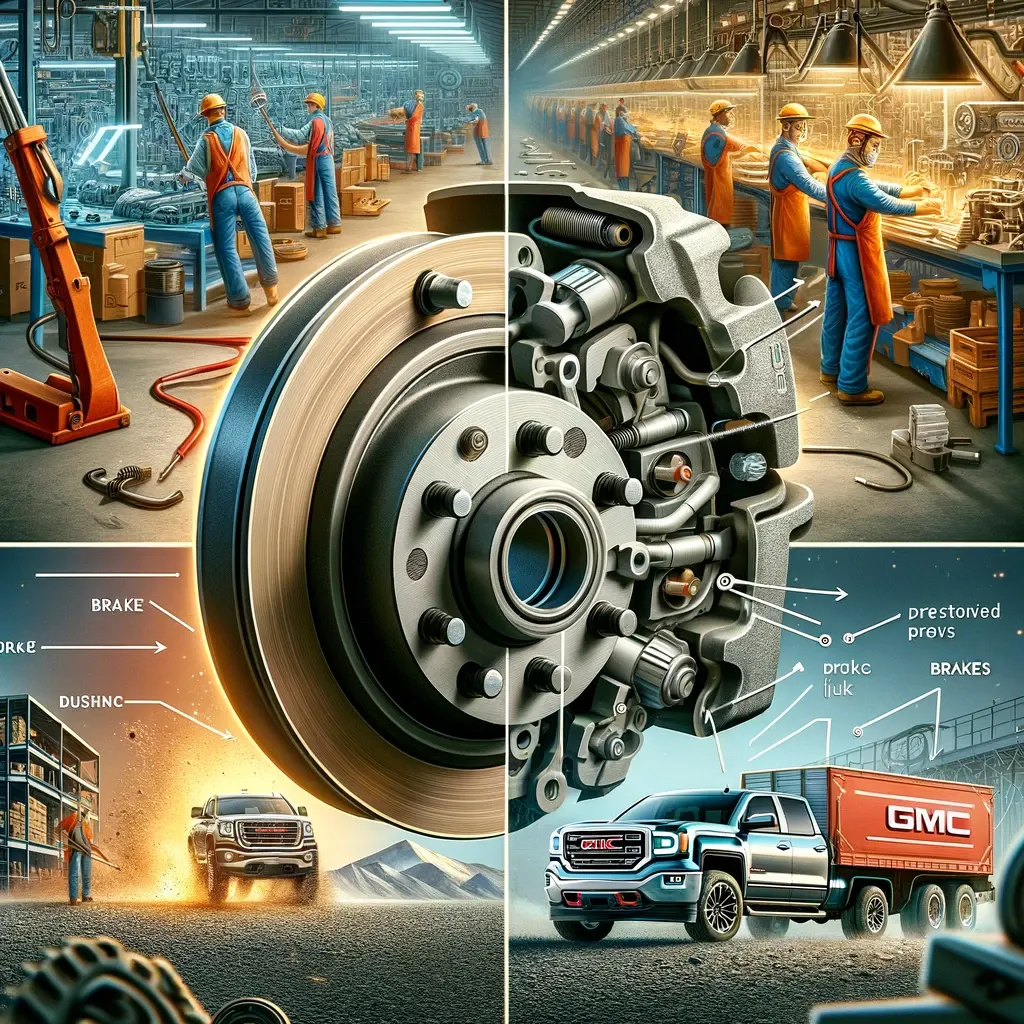
How Do GMC Brake Drums Work?
The working principle behind GMC Brake Drums is straightforward. Pressing the brake pedal sends hydraulic fluid through the brake lines, which pushes the brake shoes outward against the inside surface of the drum. That contact creates friction, slowing the wheel's rotation and bringing the vehicle to a stop.
The appeal of drum brakes lies in their simplicity and durability. The design delivers reliable stopping power without complex components, which makes it well suited to heavy-duty vehicles like trucks and SUVs that need to handle significant weight and towing loads.
Why are GMC Brake Drums Important?
Safety is the primary reason GMC Brake Drums matter. They're responsible for helping the vehicle stop effectively, which is essential for preventing accidents and protecting everyone in the vehicle.
Drum brakes are known for their durability and long service life, which means fewer replacements over the vehicle's lifetime and lower long-term costs. They're also generally cheaper to manufacture and replace than disc brake systems, which is part of why they remain common on many GMC models.
Maintenance Tips for GMC Brake Drums
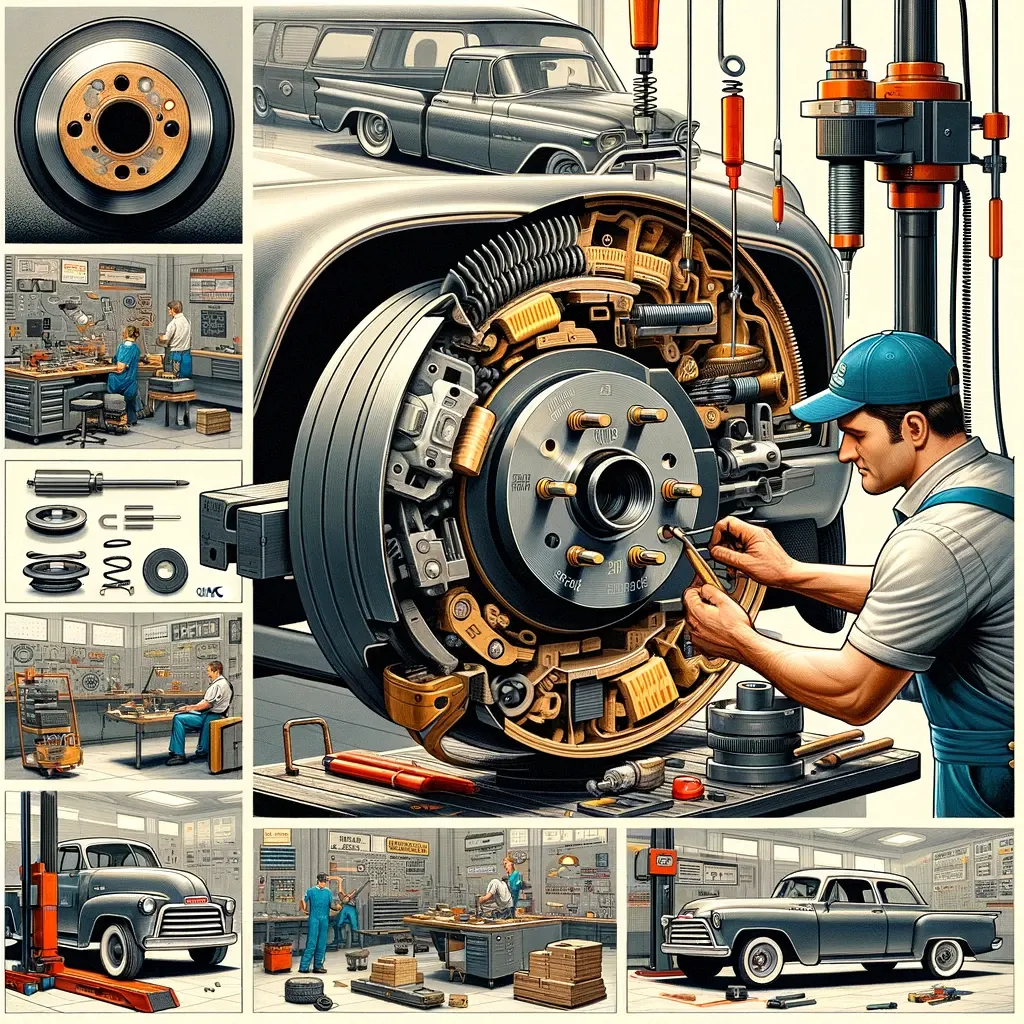
Regular inspection matters most. Check GMC Brake Drums periodically for cracks, warping, or excessive wear on the drum surface.
Pay attention to noise, too. Grinding or squeaking sounds often signal that the GMC Brake Drums, specifically the brake shoes, are worn and need replacement.
Professional check-ups round out a good maintenance routine. A mechanic can spot issues during a thorough inspection that might otherwise go unnoticed.
When to Replace Your GMC Brake Drums
Knowing when to replace the brake drums on a GMC vehicle comes down to a few warning signs:
- Reduced braking efficiency: Longer stopping distances or a less responsive brake pedal often signal that the drums need replacement.
- Unusual sounds during braking: Grinding, squealing, or thumping noises usually indicate the drums are worn down.
- Vibration or pulsation while braking: A pulsating brake pedal often means the drums have warped and need replacement.
Addressing these issues promptly matters. Ignoring them can eventually lead to brake failure, which puts everyone in the vehicle at risk.
Related Table: GMC Brake Drums Specifications
| Model Year | Drum Diameter | Width | Material |
| 2000-2005 | 11.6 inches | 2.4 inches | Cast Iron |
| 2006-2010 | 12.0 inches | 2.5 inches | Composite |
| 2011-2015 | 12.4 inches | 2.6 inches | Alloy |
| 2016-2021 | 13.0 inches | 2.7 inches | Steel |
This table illustrates how GMC Brake Drums specifications have shifted across model years. Note that drum brake friction surfaces are traditionally cast iron; if a specific model year's drum is listed here as "Composite," "Alloy," or "Steel," confirm the exact material with a parts catalog or dealer before ordering a replacement, since terminology and construction can vary by trim and supplier.
Final Thought
GMC Brake Drums are a vital part of the vehicle's braking system. Regular maintenance and prompt replacement are essential for safety on the road. Brake components aren't the place to cut corners: they're what stand between the driver and the risks that come with reduced stopping power.
Whether new to the brand or a longtime GMC driver, understanding how GMC Brake Drums work and when they need attention helps keep every drive safer. Following these maintenance steps supports better braking performance over the life of the vehicle.
FAQ
How do GMC Brake Drums differ from disc brakes?
GMC Brake Drums use a system of brake shoes and a drum instead of the rotors and pads found in disc brakes. This design is known for durability and cost-effectiveness.
When should I replace my GMC Brake Drums?
Replace GMC Brake Drums when braking efficiency drops, unusual sounds appear, or the pedal vibrates during braking. A professional inspection can confirm the right timing.
Can I switch from GMC Brake Drums to disc brakes?
Yes, it's possible to convert GMC Brake Drums to disc brakes, though the process involves several modifications. Consulting a professional familiar with the specific GMC model is strongly recommended.
Why do my GMC Brake Drums make noise?
Noise from GMC Brake Drums usually points to wear or damage, such as worn brake shoes or a warped drum. Prompt inspection helps catch these issues early.
Are GMC Brake Drums suitable for all driving conditions?
GMC Brake Drums are reliable for most everyday driving conditions. Under heavy strain, such as frequent towing or extended downhill driving, they may perform differently, which makes regular maintenance especially important.
Safety note: This guide is for general informational purposes. Brake systems are safety-critical — if you're unsure at any step, or the work requires specialized tools, have it inspected or completed by a qualified technician.
Related Guides
 GMC Brakes
GMC Brake Pedal Pulsation and Steering Shake: Causes
A pulsing pedal or shaking wheel under braking usually means uneven rotor thickness from pad deposits, not a heat-warped rotor. How to find and fix it.
 GMC Brakes
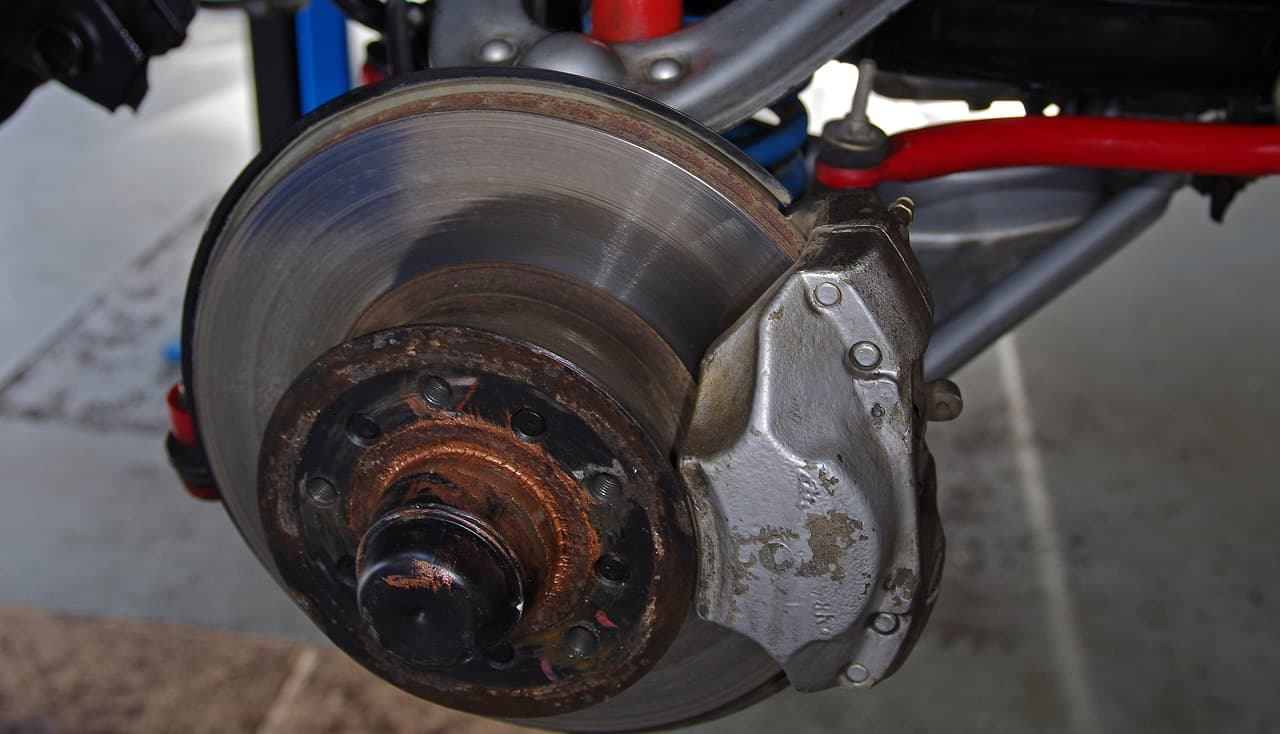
GMC Brake Noise Chart: What Each Sound Means
Match your GMC brake noise, from squealing and grinding to creaking when the pedal is pressed, to its likely cause and how urgently to act.
 GMC Brakes
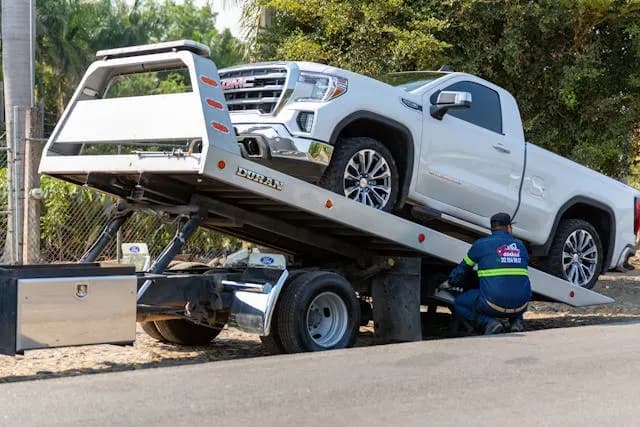
GMC Brake Error Message: Causes and Solutions
A GMC brake error often traces to wheel speed sensors, low brake fluid, the ABS module, or wiring. See the symptoms, diagnostic steps, and fixes.
 GMC Brakes
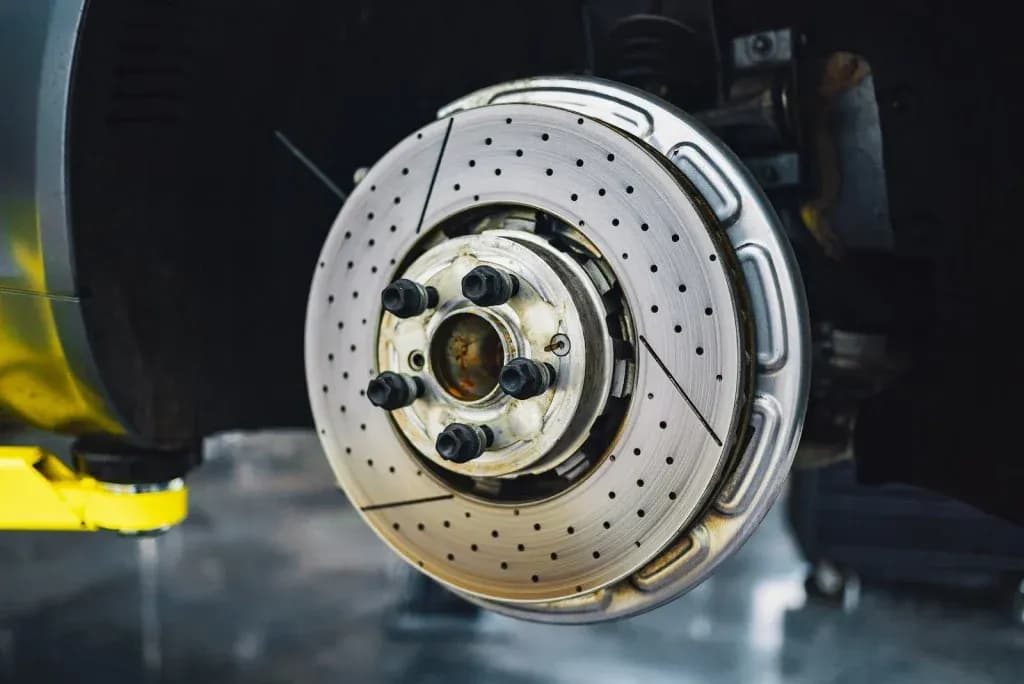
What Does GMC Lifetime Brake Service Really Cover?
GMC lifetime brake service covers replacement pads for as long as you own the vehicle, but not labor, rotors, calipers or fluid. See if it's worth it.
 GMC Brakes
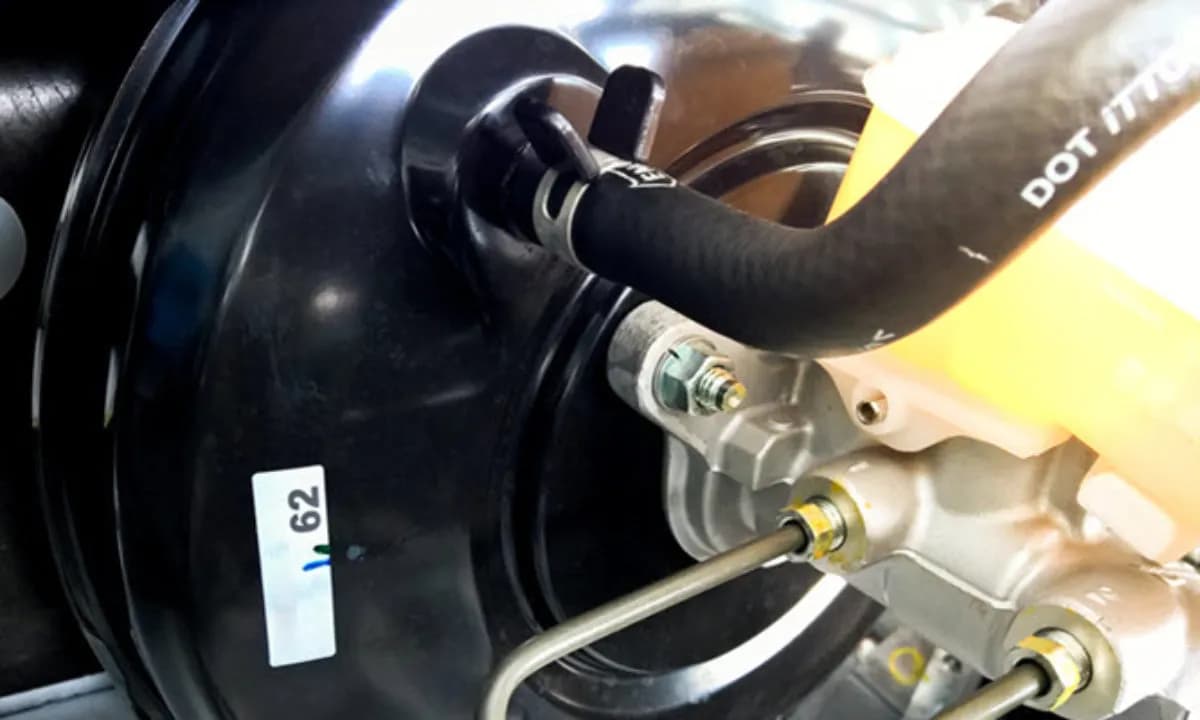
GMC Brake Booster: Vacuum vs. Hydroboost Explained
A GMC brake booster multiplies pedal force using engine vacuum or power steering pressure. Learn which type your truck has and how to test it.
 GMC Brakes
GM Throttle Body Fix for 2021 GMC Canyon Duramax Diesel
GM Special Coverage N242445290 covers a throttle body calibration fault on the 2021 GMC Canyon 2.8L Duramax. Learn the symptoms and the free dealer fix.
More in GMC Brake Problems
- Rear Disc Brake Conversion for GMC Sierra 1500 (2005-2013)
- 2008 GMC Yukon Brake Light Bulb Size (2007-2014 Chart)
- GMC Envoy Third Brake Light and Moulding (2002-2009)
- GMC Yukon Brake Replacement Cost: Pads, Rotors, Calipers
- How GMC Brake Systems Work: Hydraulics to StabiliTrak
- GMC Brake Maintenance: Intervals, Fluid, Towing, Winter
- GMC Canyon Brake Problems and Recalls by Generation
- GMC Yukon Brake System Guide (2015-2023)
- How to Bleed GMC Sierra Brakes: Sequence and Steps
- Changing Rear Drum Brakes on a 2007-2013 GMC Sierra 1500
- GMC ABS Brakes: How They Work and Why the Light Comes On
- GMC Big Brake Kits: Wheel Clearance, Fitment, Options