GMC Brake Booster: Vacuum vs. Hydroboost Explained
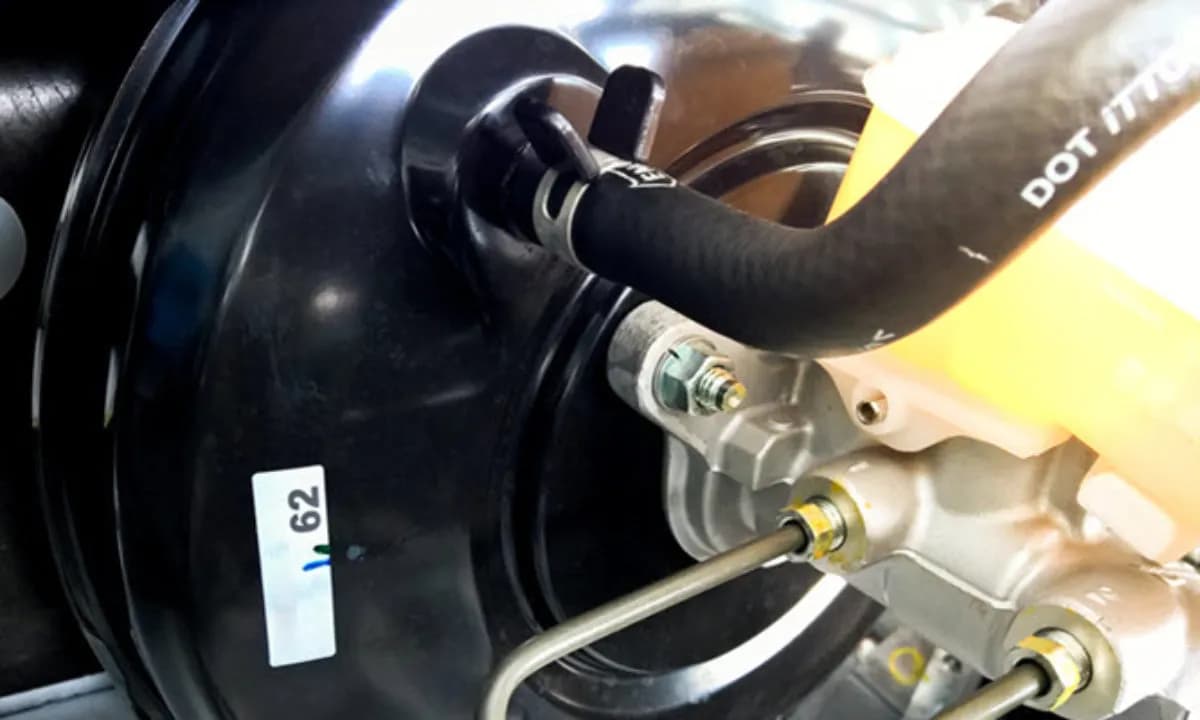
A GMC brake booster sits between the brake pedal and the master cylinder and multiplies the force of your foot, so a normal push on the pedal produces enough hydraulic pressure to stop a heavy truck. GMC vehicles use one of two designs: a vacuum booster, powered by engine vacuum or a vacuum pump, or a hydroboost unit, powered by pressure from the power steering pump. The main symptom of a failing booster of either type is a hard pedal that needs much more effort than usual.
Vacuum Booster vs. Hydroboost at a Glance
| Vacuum booster | Hydroboost | |
|---|---|---|
| Power source | Intake manifold vacuum, or an engine-driven or electric vacuum pump | Pressurized fluid from the power steering pump |
| What it looks like | Large round, black canister on the firewall with a vacuum hose and check valve | Compact cast unit between pedal and master cylinder with two or three power steering hoses attached |
| Typical GMC use | Most gas-engine GMC trucks and SUVs | Diesel and many heavy-duty trucks |
| Reserve with engine off | Stored vacuum for a few assisted stops | Accumulator for at least one assisted stop |
| Shares fluid with brakes? | No | No, it uses power steering fluid |
The quickest way to tell which one your GMC has is to open the hood and look behind the master cylinder. A big round drum with a hose running to the engine is a vacuum booster. A small unit with power steering hoses is hydroboost.
How a Vacuum Booster Works
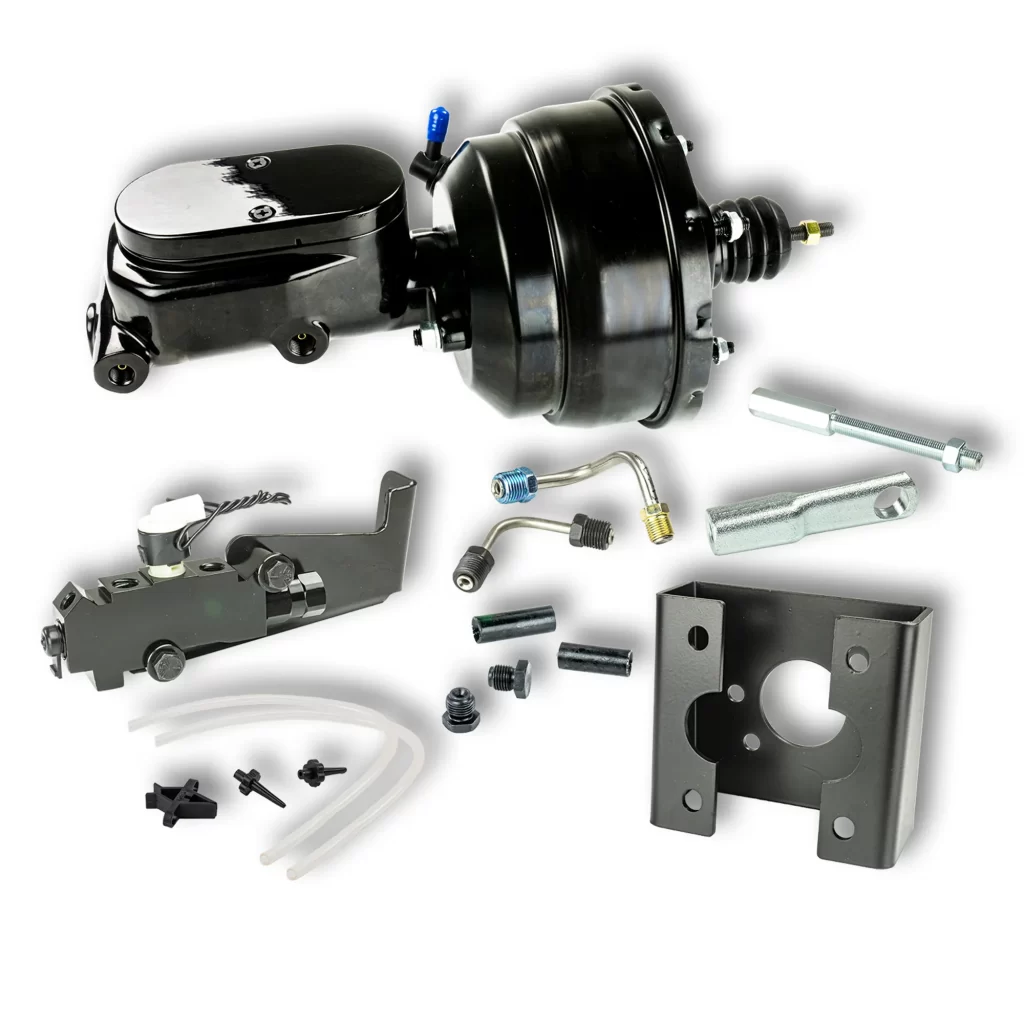
Inside the canister, a rubber diaphragm divides two chambers. With the brakes released, both sides hold vacuum. When you press the pedal, a valve lets outside air into the chamber on the pedal side. Air pressure on one side and vacuum on the other push the diaphragm forward, and that force is added to your foot's force on the master cylinder pushrod.
A one-way check valve where the hose enters the booster holds vacuum in the canister when the engine is off or under load. That's why you get a few assisted stops right after shutting the engine off.
Booster manufacturer Cardone notes in its vacuum booster diagnostic bulletin that a vacuum booster needs roughly 18-21 inches of vacuum to work normally. Worn engine internals, aggressive camshafts, or a collapsed or cracked supply hose can leave the booster short of vacuum.
Engine-Driven Vacuum Pumps on Newer Trucks
Some modern gas engines don't supply enough manifold vacuum on their own, so they use a mechanical vacuum pump driven by the engine and lubricated by engine oil. On certain 2014-2018 Sierra 1500 and Silverado 1500 pickups, 2015-2018 Yukon, Tahoe, and Suburban SUVs, and 2015-2017 Escalades, GM recalled about 3.46 million vehicles after finding that sludge could build up on the pump's oil filter screen and gradually reduce vacuum output (NHTSA recall 19V-645, Part 573 report).
According to GM's recall filing, the affected trucks have a secondary hydraulic brake assist that kicks in when vacuum drops, but as calibrated it was limited at low speeds. Drivers could notice a harder pedal, a ticking noise, or pedal vibration, and a "Service Brake Assist" message appears after the vacuum stays low. The remedy was a new Electronic Brake Control Module calibration that improves how the hydraulic assist is used when vacuum runs low. If you see that message, check the recall status of your VIN at a GMC dealer or on NHTSA's recall lookup, and see our Service Brake Assist warning guide.
How Hydroboost Works
Diesel engines don't produce the intake vacuum a conventional booster needs, which is one reason diesel and many heavy-duty GMC trucks use hydroboost. The power steering pump feeds pressurized fluid through the hydroboost unit and on to the steering gear. When you press the pedal, a spool valve directs pressure behind a power piston that pushes on the master cylinder.
An accumulator stores reserve pressure for a stop if the engine stalls or the pump belt breaks. Cardone's Hydro-Boost service tips describe checking for at least one power-assisted application with the engine off after the accumulator has been charged.
Because steering and braking share one pump, a slipping belt, a failing pump, or low fluid can cause heavy steering and a hard brake pedal at the same time. That combination has its own guide: GMC hydroboost no power steering, no brakes.
Signs of a Failing Brake Booster
| Symptom | Vacuum booster: likely causes | Hydroboost: likely causes |
|---|---|---|
| Hard pedal, more effort to stop | Low vacuum, cracked hose, failed check valve, torn diaphragm, weak vacuum pump | Slipping belt, low pump pressure, restricted lines |
| Hissing near the pedal when braking | Air leak through the diaphragm or pushrod seal | Not a typical hydroboost symptom; noise usually comes from the steering pump, low fluid, or air in the steering system |
| Rough idle or stalling when braking | Large vacuum leak through a ruptured diaphragm leaning out the engine | Not typical |
| Heavy steering at the same time | Not related | Power steering pump, belt, or fluid problem |
| Pedal stays down or returns slowly | Binding pushrod or internal valve | Contamination inside the booster |
| Fluid at the booster-to-master-cylinder joint | Brake fluid leaking past the master cylinder's rear seal into the booster | Power steering fluid leak from the unit's seals |
A soft or sinking pedal is usually a hydraulic problem such as air, a leak, or a worn master cylinder, not a booster problem. See our soft brake pedal guide for those causes.
Cardone points out two ways a vacuum booster diaphragm gets destroyed from the outside (Cardone bulletin PT50-0004). A rich-running engine can push fuel vapor into the booster, and brake fluid leaking past the master cylinder's rear seal can enter it. In either case, fix the cause before installing a new booster, or the replacement can fail the same way.
Simple Booster Tests
Vacuum Booster
- With the engine off, pump the pedal about five times to use up stored vacuum.
- Hold the pedal with moderate pressure and start the engine.
- The pedal should drop slightly (Cardone cites about an inch) as vacuum builds. If vacuum supply is good and the pedal stays hard, the booster likely has an internal problem.
To check the reserve, run the engine for a minute, shut it off, wait a minute or two, then press the pedal. The first one or two applications should still feel assisted. If the pedal is hard right away, suspect the check valve, its grommet, the hose, or the diaphragm.
Hydroboost
- With the engine off, press and release the pedal five to ten times to drain the accumulator.
- Hold light pressure on the pedal and start the engine. The pedal should drop and then push back slightly against your foot.
- With the engine running, turn the wheel lightly against a stop for a few seconds, return to center, and shut the engine off. You should get at least one power-assisted application.
These tests point you in the right direction. They don't replace a proper inspection, especially if the truck also has a warning light or a pedal that sinks.
Replacing a Brake Booster
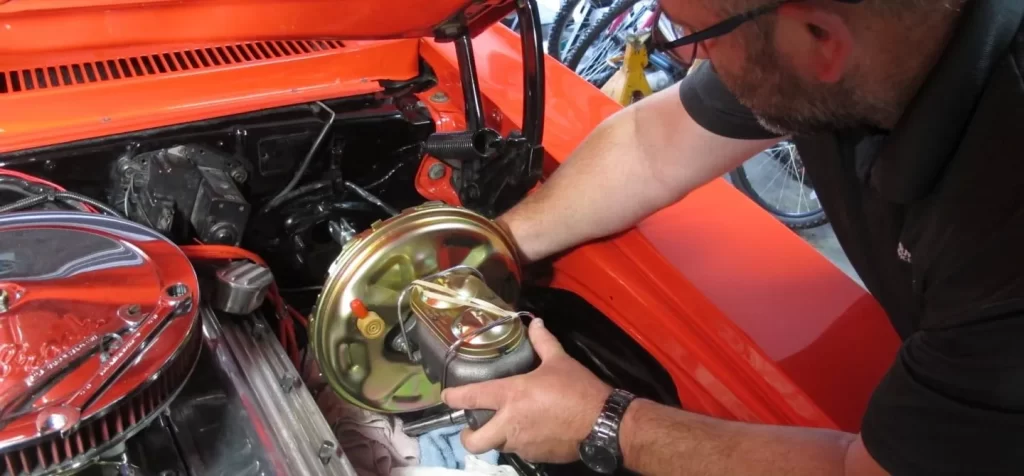
Booster replacement usually means unbolting the master cylinder from the front of the booster and disconnecting the pedal pushrod under the dash. Many technicians can move the master cylinder aside without opening the brake lines. If the lines are disconnected, the system needs bleeding afterward, and ABS-equipped trucks may need a scan tool procedure if air reached the ABS unit. See how to bleed GMC Sierra brakes.
On hydroboost trucks, the power steering system needs its air purged after the job. Cardone's bulletin recommends flushing the steering system, replacing old or damaged hoses, and cycling the steering lock to lock with the engine idling. Match the replacement unit to your VIN, since booster size and pushrod length vary with engine, weight rating, and brake package.
Before blaming the booster, check the cheaper parts first: the vacuum hose and check valve on a vacuum system, or the belt, fluid level, and pump on a hydroboost system. A booster that is actually worn is also a good time to inspect the master cylinder for a leaking rear seal.
Frequently Asked Questions
Does my GMC have a vacuum booster or hydroboost?
Look behind the master cylinder. A large round canister with a vacuum hose is a vacuum booster, common on gas-engine GMC vehicles. A compact unit with power steering hoses attached is hydroboost, common on diesel and many heavy-duty trucks. If you're unsure, your VIN tells a dealer or parts counter exactly which unit was installed.
Can I drive with a bad brake booster?
The brakes still work without boost, but the pedal takes far more force and stopping distances can get longer, especially in an emergency. Treat it as a repair to make before normal driving, and drive only as far as a shop, carefully, if you must.
Why does my brake pedal get hard when the engine is off?
That's normal once the stored reserve is used up. A vacuum booster holds enough vacuum for a few assisted stops, and a hydroboost accumulator holds pressure for at least one. After that, the pedal gets hard until the engine is running again.
What does "Service Brake Assist" mean on a Sierra?
It means the truck has detected low brake assist, often low vacuum from the booster's vacuum source. On some 2014-2018 Sierra 1500 trucks this is tied to the vacuum pump recall (NHTSA 19V-645), so check your VIN for open recalls and see our Service Brake Assist guide.
Is a hissing brake pedal dangerous?
A hiss when you press or release the pedal usually means a vacuum leak at the booster diaphragm, its pushrod seal, or the hose. It won't make the brakes fail outright, but it reduces assist and can get worse, so have it checked soon.
Safety note: This guide is for general informational purposes. Brake systems are safety-critical — if you're unsure at any step, or the work requires specialized tools, have it inspected or completed by a qualified technician.
Related Guides
 GMC Brakes
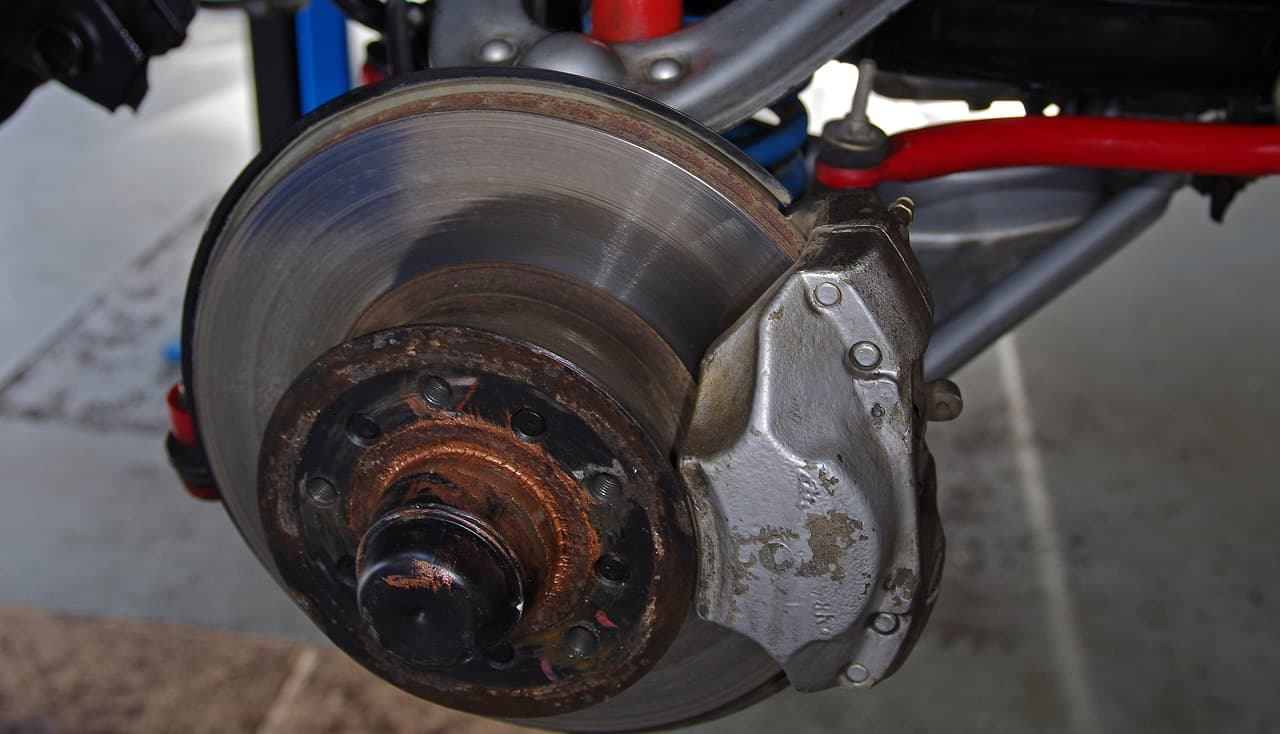
GMC Brake Pedal Pulsation and Steering Shake: Causes
A pulsing pedal or shaking wheel under braking usually means uneven rotor thickness from pad deposits, not a heat-warped rotor. How to find and fix it.
 GMC Brakes
GMC Brake Noise Chart: What Each Sound Means
Match your GMC brake noise, from squealing and grinding to creaking when the pedal is pressed, to its likely cause and how urgently to act.
 GMC Brakes
GMC Brake Error Message: Causes and Solutions
A GMC brake error often traces to wheel speed sensors, low brake fluid, the ABS module, or wiring. See the symptoms, diagnostic steps, and fixes.
 GMC Brakes
What Does GMC Lifetime Brake Service Really Cover?
GMC lifetime brake service covers replacement pads for as long as you own the vehicle, but not labor, rotors, calipers or fluid. See if it's worth it.
 GMC Brakes
GM Throttle Body Fix for 2021 GMC Canyon Duramax Diesel
GM Special Coverage N242445290 covers a throttle body calibration fault on the 2021 GMC Canyon 2.8L Duramax. Learn the symptoms and the free dealer fix.
 GMC Brakes
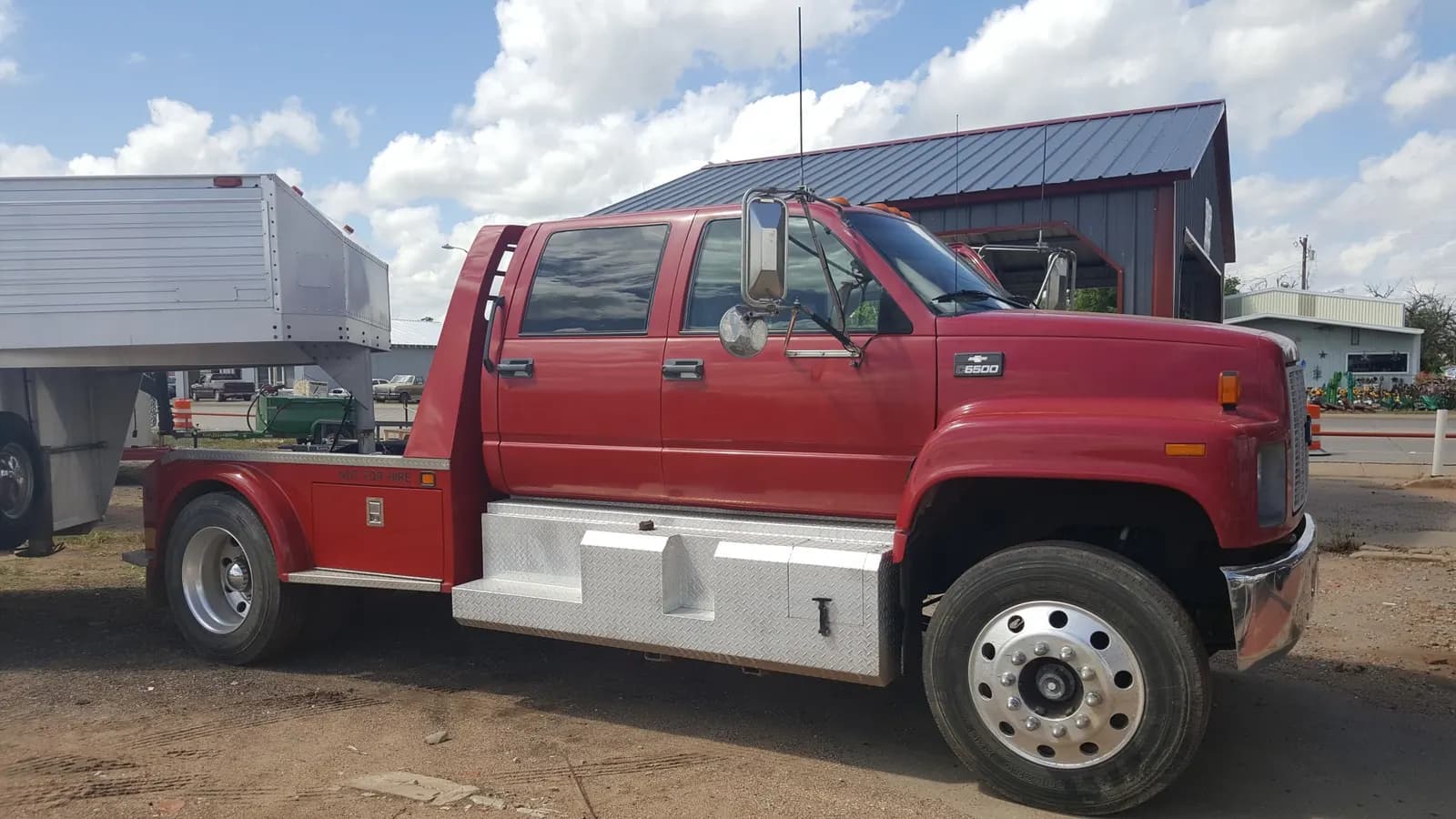
2000 GMC C6500 Parking Brake: Actuator, Pump and Fixes
Why the 2000 GMC C6500 parking brake sticks or won't release, how the spring-applied, hydraulic-release actuator works, and how to diagnose it.
More in GMC Brake Problems
- Rear Disc Brake Conversion for GMC Sierra 1500 (2005-2013)
- 2008 GMC Yukon Brake Light Bulb Size (2007-2014 Chart)
- GMC Envoy Third Brake Light and Moulding (2002-2009)
- GMC Yukon Brake Replacement Cost: Pads, Rotors, Calipers
- How GMC Brake Systems Work: Hydraulics to StabiliTrak
- GMC Brake Maintenance: Intervals, Fluid, Towing, Winter
- GMC Canyon Brake Problems and Recalls by Generation
- GMC Yukon Brake System Guide (2015-2023)
- How to Bleed GMC Sierra Brakes: Sequence and Steps
- Changing Rear Drum Brakes on a 2007-2013 GMC Sierra 1500
- GMC ABS Brakes: How They Work and Why the Light Comes On
- GMC Big Brake Kits: Wheel Clearance, Fitment, Options