2000 GMC C6500 Parking Brake: Actuator, Pump and Fixes
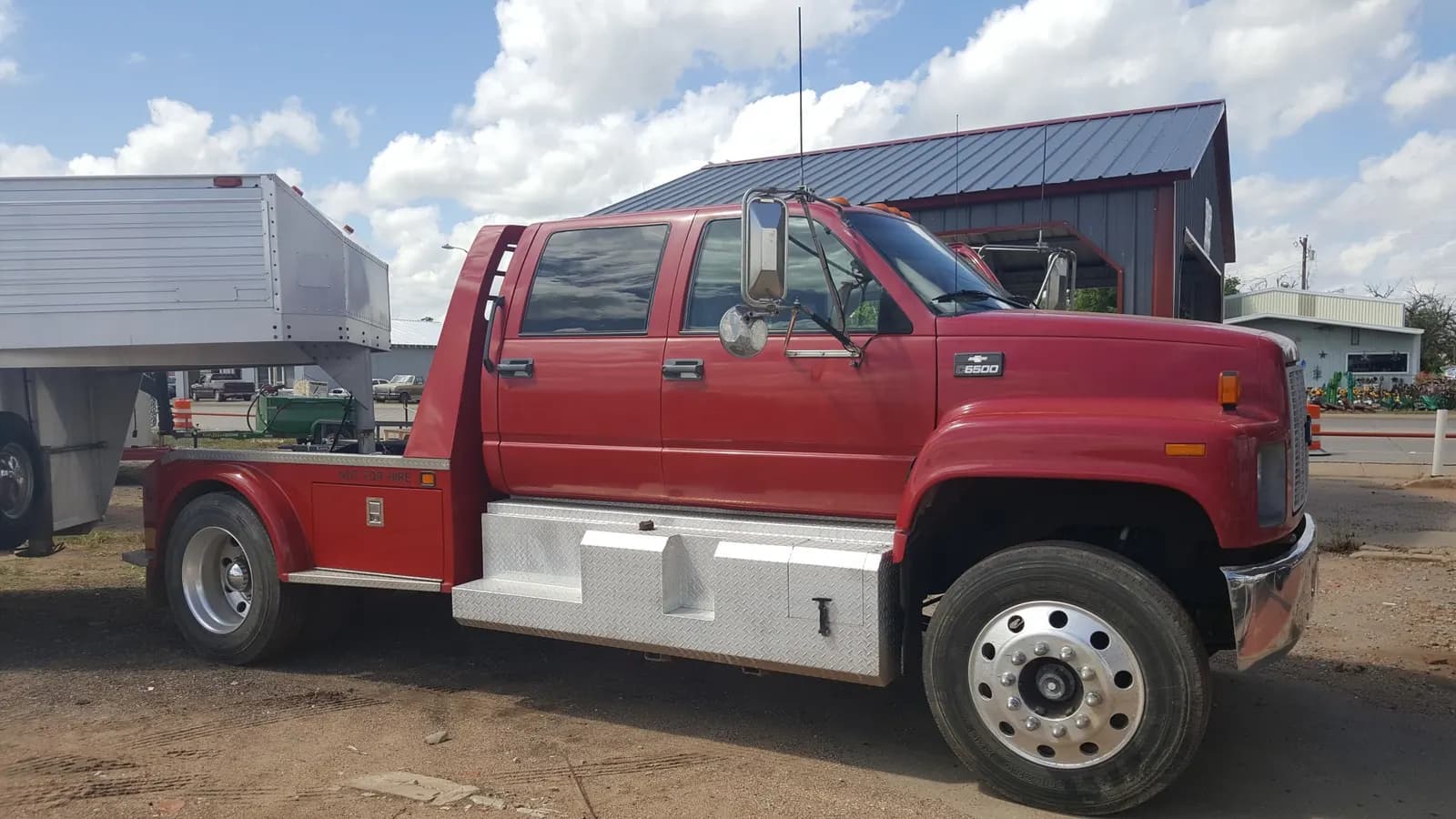
On many hydraulic-brake 2000 GMC C6500 (TopKick) trucks, the parking brake is a drum on the back of the transmission that is applied by a spring and released by hydraulic pressure from a small electric pump. When the brake won't release, or the pump runs without releasing it, the fault is usually in the pump motor, its relay, the pressure switch, a leaking actuator, or the wiring to the control box, not in the drum itself. The sections below explain how the system works, how to narrow down the failed part, and what your repair options are.
How the 2000 C6500 Parking Brake Works
The C6500 is a medium-duty chassis, so its parking brake is built differently from a pickup's. Instead of shoes inside the rear wheel drums, a single drum brake sits on the transmission output and holds the driveline.
On trucks with the electric-hydraulic option, a technician description of a 2001 C6500 with an automatic transmission sums it up as an "electronically controlled spring-applied cable drum parking brake with a hydraulic release." In practice that means:
- Spring applies the brake. A heavy spring inside the actuator pulls the cable and sets the driveline drum. No power is needed to hold the truck.
- Hydraulic pressure releases it. An electric pump builds pressure in the actuator, compressing the spring and letting the cable go slack.
- Electronics decide when. A control box (owners typically find it low on the driver's side, near the left foot) switches the pump through a relay and watches a pressure switch to know when the brake is released.
This "fail-applied" layout is the reason a failure usually leaves the truck stuck with the brake on rather than rolling away. It also matches the federal rule for commercial vehicles, which says a parking brake must be held applied "by energy other than fluid pressure, air pressure, or electric energy" (49 CFR 393.41).
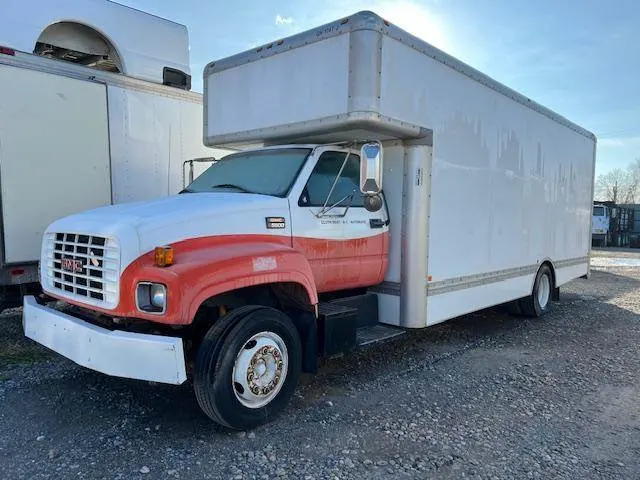
Not every 2000 C6500 left the factory the same way. Trucks built with air brakes use spring brake chambers instead, and some hydraulic-brake trucks have a plain cable-and-lever driveline brake. Check what is on your truck before ordering parts: look for the pump and actuator near the transmission and the control box under the dash.
Symptoms and What They Usually Point To
| Symptom | Most likely area to check first |
|---|---|
| Pump never runs, brake stays applied | Fuse, pump relay, power and ground at the pump motor, control box |
| Pump runs only when the relay is bypassed | Relay or its control circuit |
| Pump runs and runs, brake does not release | Low fluid, internal leak in the actuator or pump, pressure switch |
| Pump runs constantly even after release | Relay stuck closed or pressure switch not signaling |
| Brake releases, then creeps back on | Actuator seal leakage, pressure bleeding off |
| Brake releases but truck will not hold on a grade | Worn or contaminated drum/shoes, cable out of adjustment |
| Warning light on with brake released | Switch or wiring fault at the control box |
These are starting points, not a substitute for the wiring diagram. The exact circuit, fuse location and pressure values for your truck are in the GM service manual for the 2000 C/T-series medium-duty trucks.
Step-by-Step Diagnosis
Chock the wheels before you start. If the brake does release during testing, a truck on a slope can roll, and the transmission should not be relied on to hold it.
- Check the fluid. Find the reservoir on the pump assembly and confirm the level is correct and the fluid is clean. Low fluid is the simplest reason the pump cannot build release pressure.
- Look for leaks. Inspect the actuator, lines and fittings near the transmission. Wet spots or crusted residue on the actuator suggest a seal leak, which lets pressure bleed off and the spring reapply the brake.
- Listen to the pump. With the ignition on and the release commanded, note whether the pump runs, runs briefly, or not at all.
- Test the relay. A pump that runs when the relay is bypassed but not otherwise points to the relay or the circuit that controls it. Swap in a known-good relay of the same type before condemning anything else.
- Check the pressure switch. The control box relies on a pressure switch to know the brake is released. A failed switch can make the pump shut off early or run nonstop.
- Inspect the control box connections. Corroded or loose connectors at the box and at the pump are common on work trucks that see water and road salt.
- Only then look at the drum. If the actuator releases fully but the truck will not hold, inspect the driveline drum, shoes and hardware, and check the cable adjustment.
A scan tool with medium-duty coverage makes this faster, because a basic code reader only reads engine emissions codes and will not talk to the brake control electronics.
Replacing the Parking Brake Actuator
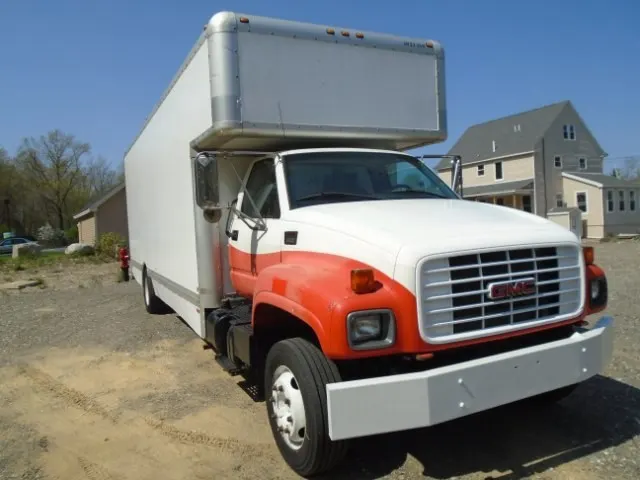
If the actuator itself is leaking or the spring is not applying properly, it needs to be rebuilt or replaced. Because the C6500 is a commercial chassis, many general auto parts stores do not stock the correct unit. Heavy-truck parts suppliers and dealer parts counters are the usual sources, and it is worth confirming fitment against the VIN before ordering, since actuator setups varied by chassis configuration.
In general terms, the job involves:
- Securing the truck with wheel chocks, since the driveline brake will be disconnected.
- Relieving hydraulic pressure and disconnecting the lines and electrical connector.
- Disconnecting the cable from the actuator and removing the unit.
- Installing the new or rebuilt actuator, bleeding the hydraulic side, and adjusting the cable.
- Verifying that the brake applies, releases and holds the loaded truck on a grade.
The spring inside the actuator is under heavy load. Follow the factory service procedure for caging or removing it, and if you do not have the manual or the tools, this is a job for a medium-duty or diesel shop. Seal kits and individual parts such as pumps, switches and solenoid O-rings do turn up from fleet parts suppliers, but availability for a truck this age is inconsistent.
Converting to a Manual (Cable and Lever) Parking Brake
Some owners give up on the electric-hydraulic system and convert to a mechanical parking brake. The driveline drum stays; what changes is how it is applied. A typical conversion replaces the pump, actuator and control box with:
- A cab-mounted parking brake lever
- A cable run to the driveline drum
- A bracket to mount the lever (often fabricated)
- A switch on the lever to keep the dash warning light working
Aftermarket cable suppliers offer conversion setups for TopKick and Kodiak trucks, and owners also report using the lever and cable hardware from earlier GM medium-duty trucks. Whatever you use, the finished system has to hold the loaded truck on the grades you operate on. If the truck is used commercially, it still has to meet the parking brake requirements in 49 CFR 393.41, so have the conversion checked by a qualified shop.
Maintenance That Prevents Repeat Failures
- Check the pump reservoir level at every service and use the fluid type specified for the system.
- Look over the actuator, lines and connectors for leaks and corrosion when the truck is on a lift.
- Inspect the driveline drum, shoes and cable during brake service. Oil from a leaking transmission rear seal can contaminate the shoes and cut holding power.
- Test the brake's holding ability periodically on a slope with the transmission in neutral and your foot ready on the service brake.
- Fix small problems early. A pump that has started to run long is often the warning before a stuck brake.
Check for Recalls and Bulletins
Search your truck on NHTSA's recall lookup. A VIN search only shows unrepaired recalls and does not cover recalls more than 15 years old, so for a 2000 model also search by year, make and model to see older campaigns, complaints and manufacturer communications.
For related reading, see our guides to GMC brake drums and GMC brake lines.
Frequently Asked Questions
Why won't my 2000 GMC C6500 parking brake release?
On trucks with the electric-hydraulic system, the brake is held on by a spring and released by pump pressure. If the pump does not run, cannot build pressure, or loses pressure through a leak, the spring keeps the brake applied. Start with fluid level, the pump relay, the pressure switch and the wiring before replacing the actuator.
Where is the parking brake on a C6500?
It is a drum brake on the transmission output, not on the rear wheels. The actuator and pump that release it are near the transmission, and the control electronics are usually under the dash on the driver's side.
Can I release the brake to move a disabled truck?
Owners have released a stuck brake by disconnecting the cable at the actuator, but that leaves the truck with no parking brake at all. Only do this with the wheels chocked or the truck secured to a tow vehicle, and have the system repaired before the truck is parked on its own again.
Is converting to a manual parking brake legal?
A conversion can work, but the finished system must hold the truck on any grade it is operated on. Trucks used commercially must meet 49 CFR 393.41, so have the conversion inspected by a qualified medium-duty shop.
Can the transmission hold the truck if the parking brake fails?
Do not rely on it. The driveline parking brake is the device designed to hold the truck. Chock the wheels whenever the parking brake is out of service.
Safety note: This guide is for general informational purposes. Brake systems are safety-critical — if you're unsure at any step, or the work requires specialized tools, have it inspected or completed by a qualified technician.
Related Guides
 GMC Brakes
GMC Brake Pedal Pulsation and Steering Shake: Causes
A pulsing pedal or shaking wheel under braking usually means uneven rotor thickness from pad deposits, not a heat-warped rotor. How to find and fix it.
 GMC Brakes
GMC Brake Noise Chart: What Each Sound Means
Match your GMC brake noise, from squealing and grinding to creaking when the pedal is pressed, to its likely cause and how urgently to act.
 GMC Brakes
GMC Brake Error Message: Causes and Solutions
A GMC brake error often traces to wheel speed sensors, low brake fluid, the ABS module, or wiring. See the symptoms, diagnostic steps, and fixes.
 GMC Brakes
What Does GMC Lifetime Brake Service Really Cover?
GMC lifetime brake service covers replacement pads for as long as you own the vehicle, but not labor, rotors, calipers or fluid. See if it's worth it.
 GMC Brakes
GMC Brake Booster: Vacuum vs. Hydroboost Explained
A GMC brake booster multiplies pedal force using engine vacuum or power steering pressure. Learn which type your truck has and how to test it.
 GMC Brakes
GM Throttle Body Fix for 2021 GMC Canyon Duramax Diesel
GM Special Coverage N242445290 covers a throttle body calibration fault on the 2021 GMC Canyon 2.8L Duramax. Learn the symptoms and the free dealer fix.
More in GMC Brake Problems
- Rear Disc Brake Conversion for GMC Sierra 1500 (2005-2013)
- 2008 GMC Yukon Brake Light Bulb Size (2007-2014 Chart)
- GMC Envoy Third Brake Light and Moulding (2002-2009)
- GMC Yukon Brake Replacement Cost: Pads, Rotors, Calipers
- How GMC Brake Systems Work: Hydraulics to StabiliTrak
- GMC Brake Maintenance: Intervals, Fluid, Towing, Winter
- GMC Canyon Brake Problems and Recalls by Generation
- GMC Yukon Brake System Guide (2015-2023)
- How to Bleed GMC Sierra Brakes: Sequence and Steps
- Changing Rear Drum Brakes on a 2007-2013 GMC Sierra 1500
- GMC ABS Brakes: How They Work and Why the Light Comes On
- GMC Big Brake Kits: Wheel Clearance, Fitment, Options