GMC Brake Noise Chart: What Each Sound Means
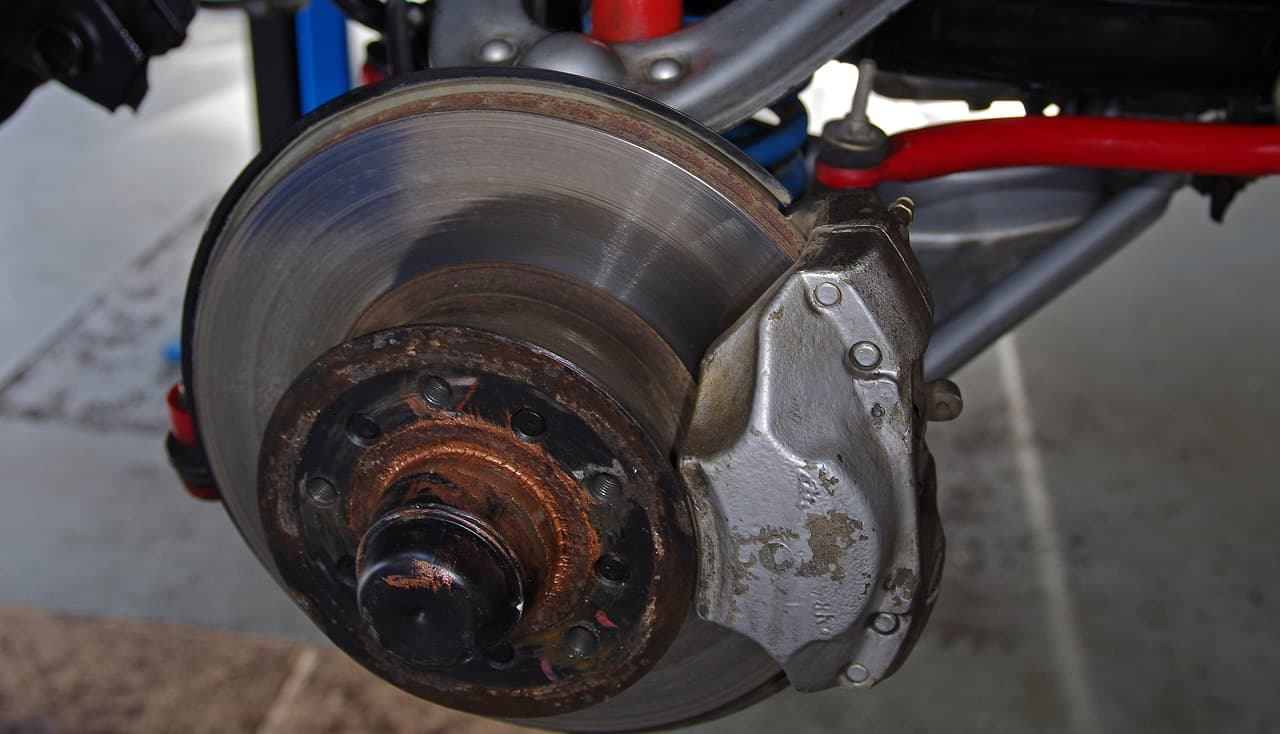
A steady squeal usually means the pad wear indicators are touching the rotor, grinding means the pads are likely worn through, and a creak or groan as you press the pedal usually points to dry or corroded caliper slide points rather than worn parts. The chart below matches each common GMC brake sound to its most likely cause and how quickly you should act.
Quick-Reference Chart
| Sound | When It Happens | Likely Cause | Urgency |
|---|---|---|---|
| High-pitched squeal, chirp, or whistle | Every time you brake | Wear indicator tab contacting the rotor, pads are due soon | Plan a pad check soon, not an emergency yet |
| Grinding, metal-on-metal | Every time you brake | Pads worn past the wear indicator, backing plate contacting rotor | High: get it inspected promptly, damage compounds quickly |
| Creak or groan as the pedal is pressed | At low speed, coming to a stop, or holding the pedal while stopped | Caliper slide pins or pad contact points (abutments) that are dry or corroded, letting the caliper or pads bind as they move | Moderate: usually a cleaning and lubrication job, but get it looked at |
| Squeal on a 2020-2021 Sierra 2500HD/3500HD | Under normal braking, pads not worn out | Original pad friction material covered by GM bulletin 20-NA-020 (see below) | Moderate: ask a GMC dealer whether the bulletin applies |
| Clicking or clunking | Over bumps, or when first applying the brake | Loose hardware, worn caliper bracket, or a loose heat shield | Moderate: have it inspected at your next opportunity |
| Grinding only when turning | While turning, may or may not involve braking | Often unrelated to brakes, commonly a wheel bearing | Moderate: still worth a proper diagnosis |
| Squeaking that fades as you drive | Mostly in the morning or after rain | Surface rust on rotors, usually normal and self-clears | Low: monitor, not usually a concern on its own |
| Rhythmic scraping tied to wheel rotation | Constant, speeds up with vehicle speed | A rock or debris caught in a caliper or shield, or a bent shield | Moderate: check for debris before assuming it's the pads |
| Groaning or humming under braking | Under harder braking | Glazed or contaminated pads/rotors | Moderate: often resolved with a pad/rotor service |
| Squeal right after new pads | First stops after a brake job | Pads not bedded in yet, pads installed in the wrong position, or missing lubrication on contact points | Low to moderate: re-check installation if it persists |
GMC describes the wear-indicator sound in its own brake system support page: metal tabs built into the pads rub the rotors once the pads wear far enough, producing a chirping, squealing, or whistling sound. Many newer GMC trucks and SUVs also have a Brake Pad Life Monitor that estimates pad wear with thickness sensors and shows a message in the Driver Information Center, so check for that message when a squeal starts. Our guide to GMC brake pad wear sensors covers how those sensors work.
Why the "Urgency" Column Matters
Not every brake noise means you need to stop driving immediately, but it's easy to either over-panic or under-react. Grinding metal-on-metal is the one sound on this list that reflects active damage happening every time you brake. The backing plate is contacting the rotor directly, which both reduces stopping power and can score the rotor, turning a pad job into a pad-and-rotor job. Everything else on this chart is worth a look, but doesn't necessarily mean stop driving today.
Creaking When You Press the Brake Pedal
A creak, groan, or "old door hinge" sound when you press the pedal, often most noticeable at low speed or while holding the truck at a stop, is a frequent complaint from Sierra and Silverado owners. When the pads and rotors look normal for the mileage, the usual cause is binding rather than wear:
- Caliper slide pins that have lost their grease or picked up rust stop the caliper from sliding freely as the pedal is applied and released.
- Pad abutments and clips, the points where the pad ears sit in the caliper bracket, can rust up so the pads catch and release in small steps, which you hear as a creak.
Moisture, road salt, and winter driving speed this up. The typical repair is to remove the calipers and pads, clean the slide pins, bores, and abutment surfaces with a wire brush and brake cleaner, replace any clips or boots that are corroded or torn, and re-lubricate with a high-temperature grease made for brake hardware. Use a grease that is compatible with the rubber boots on the slide pins; the product label or service information will say which grease belongs where. No parts may need replacing if the pads and rotors are still within spec, which keeps this one of the cheaper brake noises to fix.
For caliper inspection and when replacement makes more sense than a cleaning, see our GMC brake calipers guide.
2020-2021 Sierra 2500HD/3500HD Squeal: GM Bulletin 20-NA-020
If you drive a 2020 or 2021 Sierra 2500HD or 3500HD and the brakes squeal even though the pads are not worn, GM has a technical service bulletin for exactly that. Bulletin 20-NA-020 (revised February 2021, filed with NHTSA) covers the Sierra 2500HD/3500HD and Silverado 2500HD/3500HD for those model years. Key points from the bulletin:
| Item | What the bulletin says |
|---|---|
| Condition | Customers may comment that the brakes are squealing |
| Cause | A low-scorch friction material was used on the original brake pads |
| Correction | Replace the front and rear brake pads; the new pads use a "high scorch" friction material |
| Pad position | Each pad is labeled Inner or Outer; pads installed in the wrong position can cause brake noise |
| Wear sensors | Only the left side of the truck has wear sensors, mounted on the inner pad |
| Coverage | May be covered under the New Vehicle Limited Warranty bumper-to-bumper terms |
A bulletin is not a recall, and it doesn't mean every truck in that range has the problem. If your truck is still within bumper-to-bumper coverage, mention the bulletin number to the service advisor. If the pads were already replaced and the squeal is back, the bulletin's own advice is to check that each pad is in its labeled inner or outer position.
Heavy-duty trucks that tow and haul put more heat through their brakes, so HD owners should also rule out the ordinary causes in the chart, such as wear indicators and dry hardware, before assuming the bulletin applies.
Noise After a Brake Job
A new-pad squeal is common and usually has one of three causes:
- The pads haven't been bedded in. A controlled series of stops transfers an even layer of pad material onto the rotor. Follow the pad maker's procedure; our bed-in guide walks through it.
- Contact points weren't cleaned and lubricated. Rusty abutments, dry slide pins, or a missing shim on the pad backing can all squeal or creak on fresh pads.
- Pads in the wrong position. Pads with a wear-sensor tab or an inner/outer marking only work quietly in their intended spot.
Replace pads in axle sets (both wheels on the same axle), and have the rotors measured. Rotors that are below minimum thickness or have developed thickness variation should be resurfaced or replaced; the minimum thickness is usually cast into the rotor, and your service information lists the spec. Thickness variation is also what most drivers feel as pedal pulsation, often described as "warped rotors."
When To See a Technician Regardless of the Sound
Skip the wait-and-see approach if a noise is paired with any of these:
- A soft, sinking, or unusually firm brake pedal
- The pedal traveling farther than normal before the brakes bite
- Vibration in the pedal or steering wheel when braking
- The vehicle pulling to one side under braking
- Any dashboard brake warning light
- A noticeably longer stopping distance than usual
GMC lists these same symptoms, along with grinding noises, as reasons to have the brake system checked. See our GMC Brake Warning Light & Message Chart if a light is involved alongside the noise. The combination usually narrows down the cause faster than either symptom alone.
Frequently Asked Questions
Why do my GMC brakes creak when I press the pedal?
The most common cause is caliper slide pins or pad abutments that have gone dry or rusty, which makes the caliper and pads bind slightly as they move. If the pads and rotors are in good shape, cleaning those surfaces and re-lubricating them with brake-specific grease usually stops the creak.
Is there a fix for squealing brakes on a 2020 Sierra 2500HD?
GM bulletin 20-NA-020 covers brake squeal on 2020-2021 Sierra and Silverado 2500HD/3500HD trucks. It says the original pads used a low-scorch friction material and calls for replacing the front and rear pads with the updated high-scorch pads. A GMC dealer can confirm whether it applies to your VIN.
My brakes only squeal in reverse, is that different?
A squeal specific to reverse can point to a wear indicator positioned to only contact the rotor in that direction, or a specific pad design quirk. It's still worth treating as an early pad-wear signal rather than ignoring it.
Is it normal for brand new brake pads to squeak?
Some squeaking during a short break-in period after a pad replacement is common, especially with certain ceramic compounds. Persistent squealing well after break-in is worth a follow-up check of the bed-in, the lubrication on contact points, and pad positioning.
Can cold or wet weather cause brake noise that isn't a real problem?
Yes. Light surface rust that forms overnight, especially in humid or rainy climates, commonly causes a brief squeak or grind for the first few stops that clears up as the rust wears off. If it doesn't clear after normal driving, treat it as a real symptom.
Safety note: This guide is for general informational purposes. Brake systems are safety-critical — if you're unsure at any step, or the work requires specialized tools, have it inspected or completed by a qualified technician.
Related Guides
 GMC Brakes
GMC Brake Pedal Pulsation and Steering Shake: Causes
A pulsing pedal or shaking wheel under braking usually means uneven rotor thickness from pad deposits, not a heat-warped rotor. How to find and fix it.
 GMC Brakes
GMC Brake Error Message: Causes and Solutions
A GMC brake error often traces to wheel speed sensors, low brake fluid, the ABS module, or wiring. See the symptoms, diagnostic steps, and fixes.
 GMC Brakes
What Does GMC Lifetime Brake Service Really Cover?
GMC lifetime brake service covers replacement pads for as long as you own the vehicle, but not labor, rotors, calipers or fluid. See if it's worth it.
 GMC Brakes
GMC Brake Booster: Vacuum vs. Hydroboost Explained
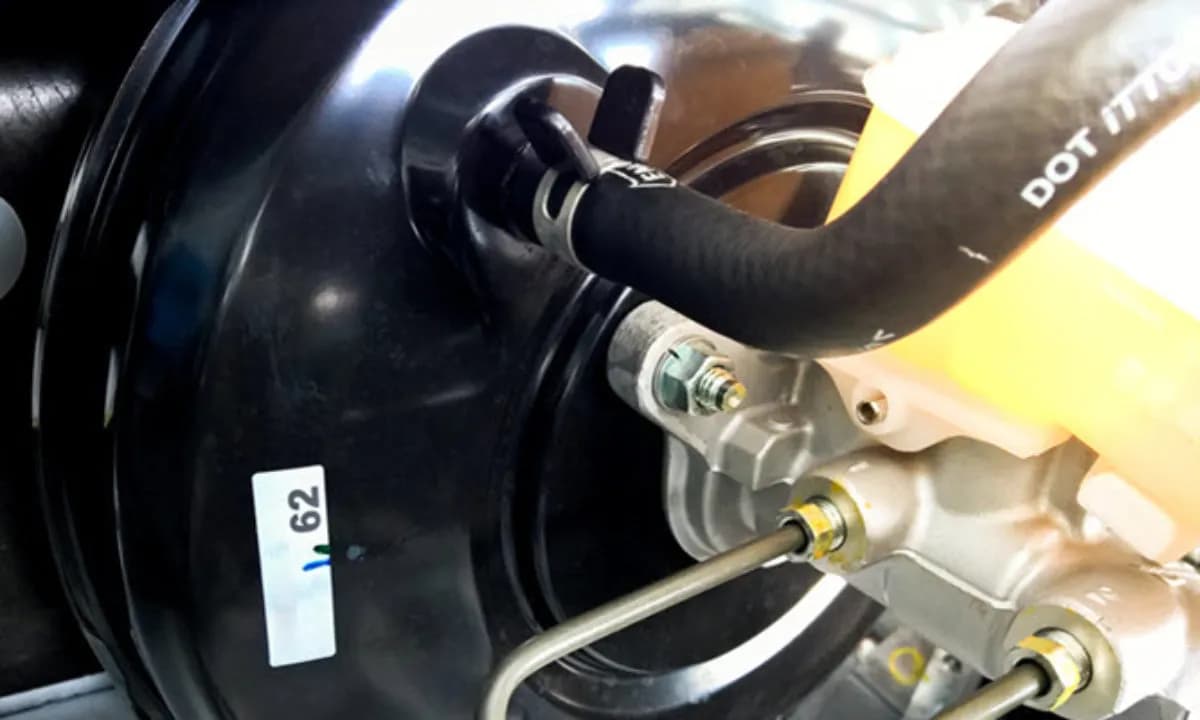
A GMC brake booster multiplies pedal force using engine vacuum or power steering pressure. Learn which type your truck has and how to test it.
 GMC Brakes
GM Throttle Body Fix for 2021 GMC Canyon Duramax Diesel
GM Special Coverage N242445290 covers a throttle body calibration fault on the 2021 GMC Canyon 2.8L Duramax. Learn the symptoms and the free dealer fix.
 GMC Brakes
2000 GMC C6500 Parking Brake: Actuator, Pump and Fixes
Why the 2000 GMC C6500 parking brake sticks or won't release, how the spring-applied, hydraulic-release actuator works, and how to diagnose it.
More in GMC Brake Problems
- Rear Disc Brake Conversion for GMC Sierra 1500 (2005-2013)
- 2008 GMC Yukon Brake Light Bulb Size (2007-2014 Chart)
- GMC Envoy Third Brake Light and Moulding (2002-2009)
- GMC Yukon Brake Replacement Cost: Pads, Rotors, Calipers
- How GMC Brake Systems Work: Hydraulics to StabiliTrak
- GMC Brake Maintenance: Intervals, Fluid, Towing, Winter
- GMC Canyon Brake Problems and Recalls by Generation
- GMC Yukon Brake System Guide (2015-2023)
- How to Bleed GMC Sierra Brakes: Sequence and Steps
- Changing Rear Drum Brakes on a 2007-2013 GMC Sierra 1500
- GMC ABS Brakes: How They Work and Why the Light Comes On
- GMC Big Brake Kits: Wheel Clearance, Fitment, Options