GMC Brake Warning Signs: Symptoms, Causes, Urgency
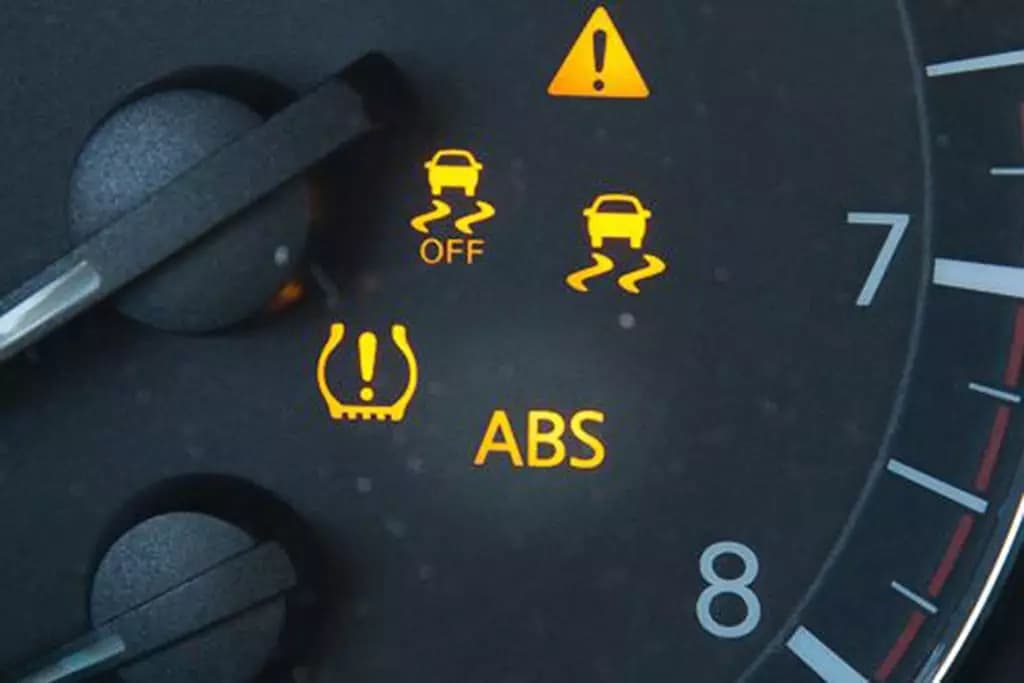
The brake warning signs that matter most on a GMC are a high-pitched squeal from the pad wear indicators, metal-on-metal grinding, a pulsing pedal, pulling to one side, a pedal that sinks or feels soft, and a red brake warning light. Grinding, a sinking pedal and a red brake light mean stop driving and get the truck inspected; a squeal or a pad-life message means book a brake job soon. The table below matches each symptom to its likely cause and how urgently to act.
GMC Brake Warning Signs at a Glance
| Symptom | Most likely cause | Urgency |
|---|---|---|
| High-pitched squeal while driving that stops when you press the pedal firmly | Built-in pad wear indicator touching the rotor | Soon: pads are near the end of their life |
| Metal-on-metal grinding every time you brake | Pad friction material gone, backing plate on the rotor | High: stop driving on it, the rotor is being damaged |
| Brief squeak on the first few stops, then gone | Surface rust on the rotors after rain, washing or a humid night | Low: normal if it clears after a few stops |
| Pulsing pedal or steering-wheel shake under braking | Rotor thickness variation, usually from lateral runout or uneven wheel nut torque | Moderate: inspect before it worsens |
| Truck pulls to one side when braking | Sticking caliper or slide pins, contaminated pad, collapsed hose, or wet brakes | Moderate to high: have it checked promptly |
| Soft or spongy pedal | Air in the hydraulic system, old moisture-laden fluid, or a leak | High: diagnose before driving far |
| Pedal sinks toward the floor, or pedal travel suddenly increases | Fluid leak, master cylinder fault, or hydraulic failure | Stop: do not drive, have it towed |
| Hard pedal with little stopping power | Loss of brake assist (vacuum booster, Hydroboost or electric boost) | Stop: diagnose before driving |
| Red brake system warning light | Low fluid, hydraulic problem, or parking brake still applied | Stop: pull over safely and check |
| Amber ABS light only | ABS fault; normal brakes still work but ABS may not | Moderate: normal braking remains, get it scanned |
| "Service Brake Pad" or low pad-life message | Pad life system estimate or wear sensor | Soon: plan the pad replacement |
| "Brake fade" message on a long downgrade | Overheated brakes | Now: ease off the pedal and shift to a lower gear |
| Burning smell after a descent or a tow | Overheated pads, or a dragging caliper if on one wheel only | Moderate: let it cool, check for a hot wheel |
| Wet spots inside a wheel or near the master cylinder | Leaking caliper, wheel cylinder, hose or line | High: a leak lowers fluid and can cause failure |
For pad measurements and the point at which pads should be replaced, see our GMC brake pad thickness chart. If a noise is the main symptom, the GMC brake noise chart goes deeper on each sound.
Noises: Squeal, Grind and Squeak
GMC disc brake pads have built-in wear indicators. According to the 2020 GMC Sierra owner's manual, they make a high-pitched sound when the pads are worn, and that sound can come and go or be heard the whole time the truck is moving, except when you press the brake pedal firmly. That last detail is what separates a wear indicator from most other squeals: many people expect it only while braking, and it's often the opposite.
The same manual notes that some climates and driving conditions cause a squeal when the brakes are first or lightly applied, and that this does not mean something is wrong. A squeak that shows up on the first few stops after rain or a car wash and then disappears usually falls into this category.
Grinding is different. Once the friction material is gone, the steel backing plate rubs directly on the rotor. Stopping power drops and the rotor gets scored with every stop, which is how a pad job turns into a pad-and-rotor job.
Pedal Feel: Soft, Sinking, Hard or Pulsing
How the pedal feels tells you which part of the system has a problem.
- Soft or spongy: usually air in the lines, fluid that has absorbed moisture, or a slow leak. Our soft brake pedal troubleshooting guide walks through the checks, and how to bleed GMC Sierra brakes covers the bleeding sequence.
- Sinking or long travel: GM tells owners to see a dealer if the pedal doesn't return to its normal height or if pedal travel increases rapidly. A pedal that keeps sinking under steady pressure points to a leak or a master cylinder bypassing internally.
- Hard pedal, weak stops: the power assist has failed. On trucks with Hydroboost, a power steering problem can take the brake assist with it; see GMC Hydroboost: no power steering, no brakes and our brake booster guide. Newer trucks with electric brake boost can also make pedal force and travel feel different when the system is running self-tests after shutdown, which GM describes as normal.
- Pulsing: often blamed on "warped rotors," but brake manufacturer Wagner explains that rotors rarely warp permanently. The real cause is usually disc thickness variation from lateral runout, often from rust between the rotor and hub. GM's manual adds that properly torqued wheel nuts help prevent pulsation, so a shake that starts soon after a tire rotation or tire change is worth checking with a torque wrench.
Pulling to One Side
A GMC that drifts left or right only when you brake usually has uneven clamping force between the two sides of an axle. Common causes are a caliper piston or slide pins seized by corrosion, a pad contaminated with fluid or grease, or a brake hose that has collapsed internally and holds pressure on one caliper. Water can do it too: GM warns that wet brakes may not work as well in a quick stop and could cause pulling to one side, and recommends lightly applying the pedal after a deep puddle or a car wash until the brakes work normally.
If the pull is constant, including when you aren't braking, look at tire pressure and alignment first. See our GMC brake calipers guide for caliper wear signs.
Dashboard Warning Lights and Messages
Not every brake light carries the same weight.
- Red brake system warning light: GM's instruction is to pull off the road and stop carefully if it comes on while driving. On trucks with electric brake boost, vehicle speed may be limited and the pedal may feel harder or go closer to the floor. If the light stays on after stopping, have the truck towed. The light also comes on when the fluid is low, so check the reservoir level and look for leaks.
- ABS light alone: the anti-lock function may be off, but normal braking should still work. If the ABS light and the red brake light are both on, GM says ABS isn't functioning and there is a problem with the regular brakes. See ABS brakes in GMC vehicles.
- Brake pad life / Service Brake Pad messages: many newer Sierras estimate remaining pad life per axle in the Driver Information Center. Our guide to the Service Brake Pad Monitor message explains what triggers it, and GMC brake pad wear sensors covers the sensors.
- Service Brake Assist: a fault in the brake assist system; see Service Brake Assist warning light.
The GMC Brake Warning Light & Message Chart lists every brake-related light and message in one place.
Heat, Smell and Brake Fade
A sharp burning smell after a long downhill or a hard tow means the pads got hot. Some newer GMC trucks detect brake fade and show a warning message in the Driver Information Center. GM's instruction is to ease off the pedal and shift to a lower gear so the engine does more of the slowing. If the fade gets worse, the brake system warning light can come on and speed may be limited.
If the smell comes from only one wheel, and that wheel is noticeably hotter than the others after a normal drive, a caliper may be dragging. That usually wears one pad out fast and can also cause a pull.
Leaks, Rust and Visible Damage
Look behind the wheels and under the truck for:
- Wet, oily residue on the inside of a tire or wheel, which can mean a leaking caliper or rear wheel cylinder
- Rust scaling on steel brake lines, especially at clips and bends
- Cracked, swollen or chafed rubber brake hoses
- A deep lip on the rotor edge or heavy scoring on the rotor face
GM's own maintenance checklist asks for the brake lines and hoses to be inspected for hook-up, binding, leaks, cracks and chafing. The pads and rotors should be checked at the same visit. For corroded lines, our GMC brake line guide shows the routing and repair options.
What to Do When You Notice a Sign
- Stop-now symptoms (pedal to the floor, red brake light that stays on, grinding with a big loss of stopping power, or an active leak): park the truck and have it towed or inspected where it sits.
- Soon symptoms (wear-indicator squeal, pad-life message, pulsation, mild pull): book an inspection within days, not months, and avoid towing until it's sorted.
- Monitor symptoms (a brief morning squeak that clears): note when it happens. If it keeps happening after normal driving, treat it as a real symptom.
GM recommends replacing brake pads as complete axle sets. For typical job costs, see GMC brake system replacement costs. To keep these signs from showing up early, follow our GMC brake system maintenance guide.
Frequently Asked Questions
Why do my GMC brakes squeal only when I'm not pressing the pedal?
That pattern fits the built-in pad wear indicator. GM describes the wear sound as something you can hear while the truck is moving, except when the pedal is pressed firmly. Have the pads measured soon, because the indicator is designed to warn you before the pads are completely gone.
Can I keep driving with the brake warning light on?
Not if it's the red brake system light. GM's instruction is to pull off the road and stop carefully, and to have the vehicle towed if the light stays on. First make sure the parking brake is fully released, then check the fluid level. An amber ABS light on its own is less urgent, but it still needs a scan.
Are my rotors warped if the pedal pulses?
Probably not in the literal sense. Brake manufacturers such as Wagner point to disc thickness variation, which usually starts with lateral runout from rust on the hub face or uneven mounting. The fix is often resurfacing or replacing the rotors, cleaning the hub, and torquing the wheel nuts in the correct sequence.
How often should GMC brakes be inspected?
GM's maintenance schedule includes a brake system inspection with each tire rotation and required-services visit, which it recommends every 7,500 miles on trucks like the Sierra. Check the schedule for your model year, and inspect more often if you tow regularly or drive in mountains.
Does a soft pedal always mean the brakes need replacing?
No. A soft pedal usually points to the hydraulic side, such as air in the lines, old fluid or a leak, rather than worn pads. Bleeding the system or fixing the leak often restores a firm pedal, but a pedal that keeps sinking should be treated as urgent.
Safety note: This guide is for general informational purposes. Brake systems are safety-critical — if you're unsure at any step, or the work requires specialized tools, have it inspected or completed by a qualified technician.
Related Guides
 GMC Brakes
GMC Brake Pedal Pulsation and Steering Shake: Causes
A pulsing pedal or shaking wheel under braking usually means uneven rotor thickness from pad deposits, not a heat-warped rotor. How to find and fix it.
 GMC Brakes
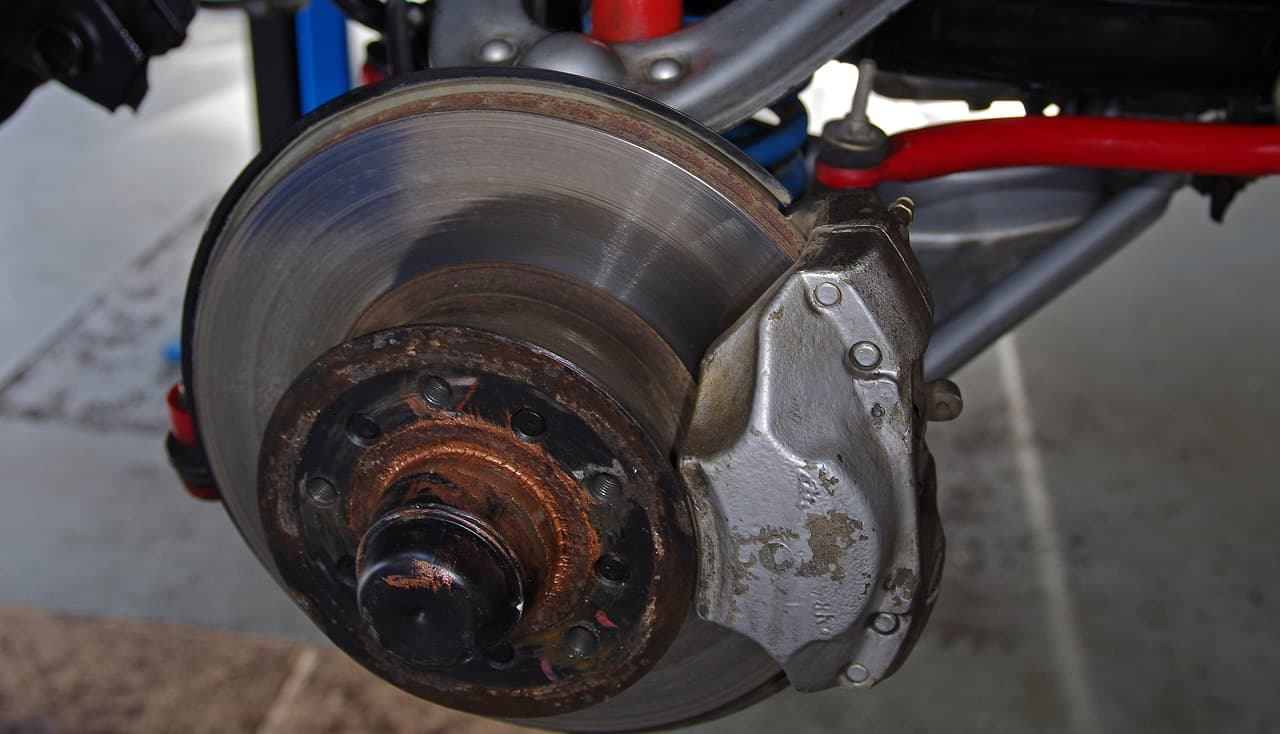
GMC Brake Noise Chart: What Each Sound Means
Match your GMC brake noise, from squealing and grinding to creaking when the pedal is pressed, to its likely cause and how urgently to act.
 GMC Brakes
GMC Brake Error Message: Causes and Solutions
A GMC brake error often traces to wheel speed sensors, low brake fluid, the ABS module, or wiring. See the symptoms, diagnostic steps, and fixes.
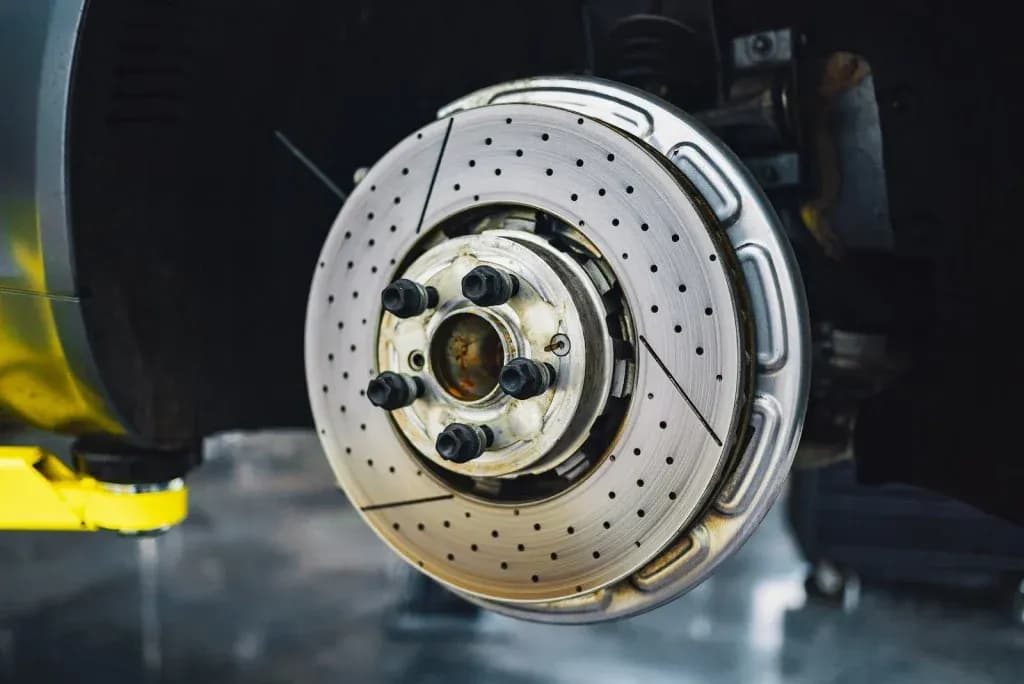 GMC Brakes
What Does GMC Lifetime Brake Service Really Cover?
GMC lifetime brake service covers replacement pads for as long as you own the vehicle, but not labor, rotors, calipers or fluid. See if it's worth it.
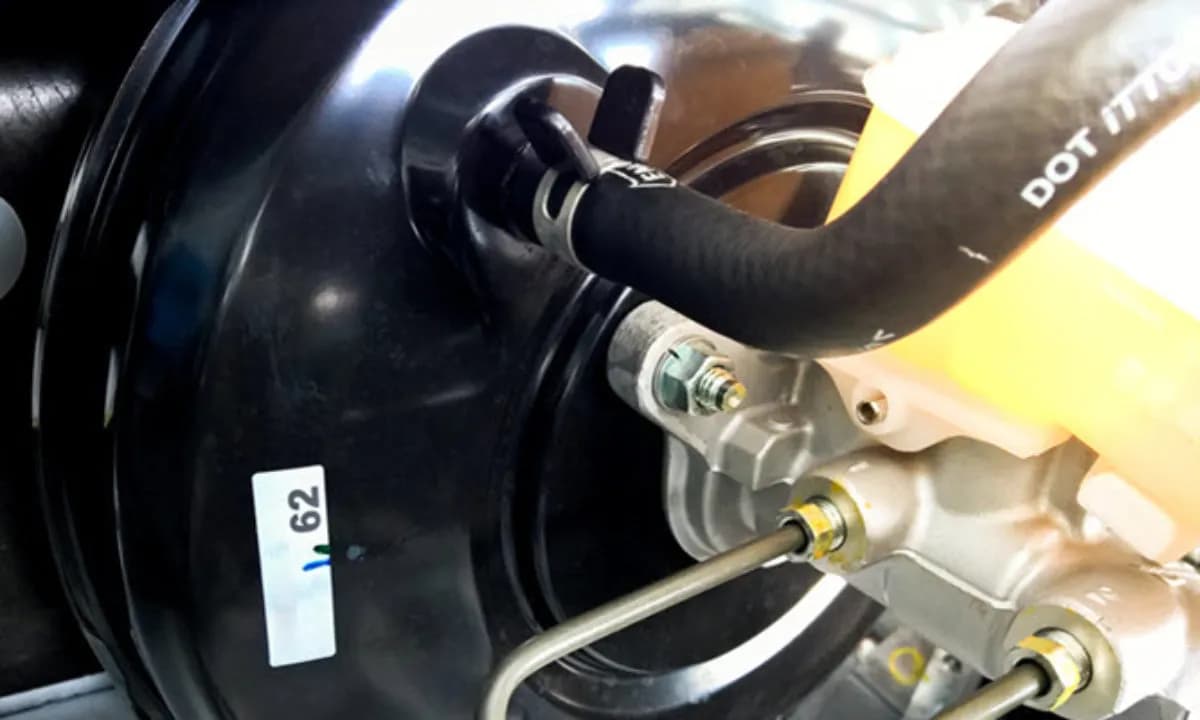 GMC Brakes
GMC Brake Booster: Vacuum vs. Hydroboost Explained
A GMC brake booster multiplies pedal force using engine vacuum or power steering pressure. Learn which type your truck has and how to test it.
 GMC Brakes
GM Throttle Body Fix for 2021 GMC Canyon Duramax Diesel
GM Special Coverage N242445290 covers a throttle body calibration fault on the 2021 GMC Canyon 2.8L Duramax. Learn the symptoms and the free dealer fix.
More in GMC Brake Problems
- Rear Disc Brake Conversion for GMC Sierra 1500 (2005-2013)
- 2008 GMC Yukon Brake Light Bulb Size (2007-2014 Chart)
- GMC Envoy Third Brake Light and Moulding (2002-2009)
- GMC Yukon Brake Replacement Cost: Pads, Rotors, Calipers
- How GMC Brake Systems Work: Hydraulics to StabiliTrak
- GMC Brake Maintenance: Intervals, Fluid, Towing, Winter
- GMC Canyon Brake Problems and Recalls by Generation
- GMC Yukon Brake System Guide (2015-2023)
- How to Bleed GMC Sierra Brakes: Sequence and Steps
- Changing Rear Drum Brakes on a 2007-2013 GMC Sierra 1500
- GMC ABS Brakes: How They Work and Why the Light Comes On
- GMC Big Brake Kits: Wheel Clearance, Fitment, Options