Top 5 Aftermarket Brake Upgrades for GMC Sierra Trucks
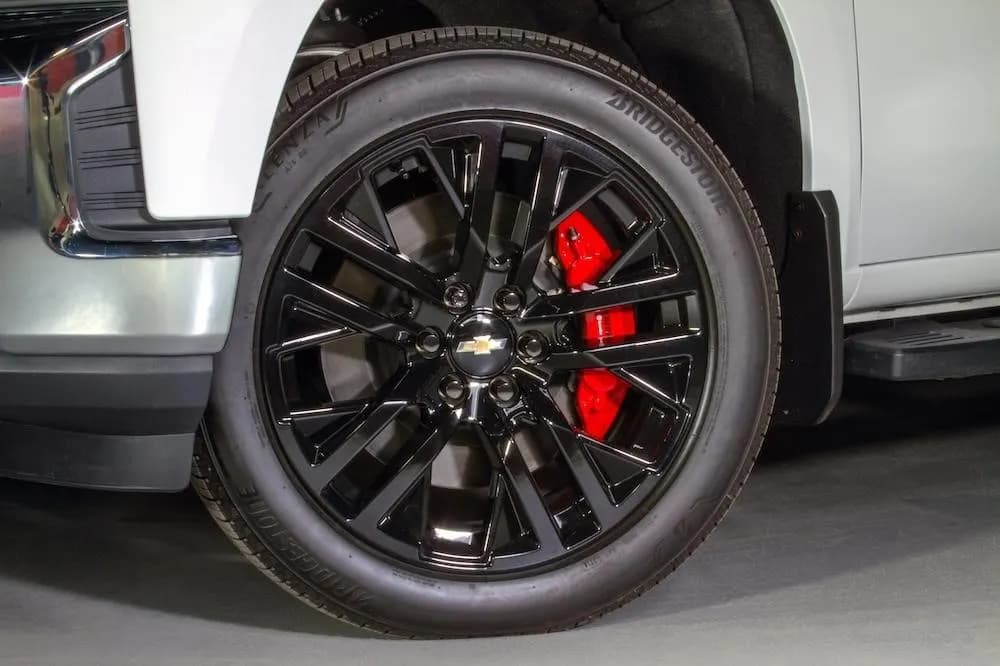
The five aftermarket brake upgrades worth considering on a GMC Sierra are better pads, better rotors, fresh high-spec brake fluid, stainless braided brake hoses, and a big brake kit. For most trucks, the pads and fluid deliver the biggest improvement for the money. A big brake kit only makes sense if you tow heavy, run larger wheels, or keep fading the stock brakes. If you tow, a correctly set trailer brake controller does more for stopping than any single part on the truck.
Sierra Brake Upgrades Compared
| Upgrade | What it improves | When it makes sense | Watch out for |
|---|---|---|---|
| Performance or towing pads | Bite, fade resistance, dust or noise depending on compound | Every truck, at the next pad change | Pads without wear sensors on trucks with a pad-life system |
| Upgraded rotors (coated, heavier-duty, slotted) | Corrosion resistance, heat handling, consistency | When rotors are due anyway, or in salt states | Drilled or slotted faces are mostly about looks on a street truck |
| Fresh brake fluid to spec | Firm pedal, boiling resistance under heat | Overdue fluid, or before a towing season | Use only the DOT type on your reservoir cap |
| Stainless braided hoses | Firmer pedal feel, abrasion resistance | Lifted trucks, older trucks with tired rubber hoses | Must be correct length and DOT-compliant |
| Big brake kit (larger rotors, multi-piston calipers) | Thermal capacity, pedal effort, fade resistance | Heavy towing, mountain driving, 20-inch or larger wheels | Minimum wheel size, cost, parts availability later |
1. Performance or Towing Brake Pads
Pads are the cheapest upgrade and usually the most noticeable. The compound decides how the truck behaves:
- Ceramic: quiet and low-dust, a good fit for daily driving and light towing.
- Semi-metallic: usually tolerates more heat and bites harder, at the cost of more dust and noise. This is the usual choice for trucks that tow or haul heavy on a regular basis.
- Truck or towing-specific formulations: many pad makers sell a line rated for towing and heavy loads. It's worth considering if you pull a camper or equipment trailer.
One Sierra-specific catch: many newer Sierras have a brake pad life system that relies on wear sensors. GM's owner's manual notes that the system can be turned off if you install aftermarket pads without wear sensors, and the built-in audible wear indicators still warn you when pads are worn. Buy pads with the sensor provision if you want to keep the pad-life readout.
The pad load also differs by truck. See GMC Sierra 1500 vs 2500 brake pad differences and our comparison of the best brake pad brands for GMC trucks.
2. Upgraded Brake Rotors
Rotor upgrades fall into three groups:
- Coated or corrosion-resistant rotors. These are the most useful upgrade in salt states, because rust on the hat and edge is what usually kills rotors there. GM's own Duralife rotors use a hardened, corrosion-resistant surface treatment, and many aftermarket brands coat the non-contact areas.
- Heavier-duty or premium blanks. These are made to tighter tolerances, with better metallurgy and vane design, and give more consistent performance under heat.
- Slotted or drilled. Slots can help keep the pad face clean. Drilled holes are mostly about looks on a street truck. On a working truck, a quality blank or slotted rotor paired with the right pad is a safer bet than chasing a drilled look.
Whatever you buy, pulsation problems usually come from installation, not the rotor brand. Clean the hub face before installing the rotor, and torque the wheel nuts evenly. See GMC Sierra 1500 brake rotors and ACDelco brake rotors for GMC.
3. Fresh Brake Fluid to Spec
This isn't glamorous, but it's the upgrade most trucks actually need. Brake fluid absorbs moisture, and GM's owner's manual says that degrades its effectiveness and can increase stopping distance. Under towing heat, moisture-laden fluid is what produces a soft, fading pedal.
Stick with the fluid type printed on your reservoir cap. The 2020 Sierra manual specifies DOT 4 for the 1500 and DOT 3 for the 2500/3500. Replace it on the time interval in your owner's manual. See GMC Sierra brake fluid types and how to bleed GMC Sierra brakes.
4. Stainless Steel Braided Brake Hoses
Braided hoses swell less under pressure than rubber hoses, which firms up the pedal a little. The outer braid also resists abrasion. They're most worthwhile on:
- Lifted trucks, which need longer hoses anyway to keep the suspension from stretching them at full droop.
- Older trucks whose original rubber hoses are cracked or swollen.
Buy DOT-compliant hoses made for your exact truck and lift height, and bleed the system afterward. The steel lines running along the frame are a separate job; see GMC brake lines.
5. Big Brake Kits
A big brake kit replaces the calipers and rotors with larger, multi-piston hardware. The main gains are thermal capacity and lower pedal effort, not a dramatic change in everyday stopping distance.
Two established options for the Sierra 1500:
- GM Accessories Brembo upgrade. Brembo and GM Performance engineering developed a front six-piston Brembo upgrade for GM half-ton trucks and SUVs. The GM parts catalog lists the current Sierra 1500 kit with 410 x 32 mm (about 16.1 x 1.3 in) Duralife rotors, a 22 percent increase in rotor area, and compatibility with 20- to 22-inch wheels (GM parts listing). Details are in our Brembo brakes for GMC guide.
- Wilwood truck kits. Wilwood lists front kits for most 2000-2018 half-ton Silverado and Sierra trucks, including 14.25-inch rotors with Aero6 calipers for 18-inch wheels and 16-inch rotors with TC6R or TX6R calipers for 20-inch wheels (Wilwood).
The key limitation is wheel size: a big rotor needs a big wheel, and even then the spoke shape has to clear the caliper. See GMC big brake kits for clearance checks and kit selection.
Upgrading for Towing
Towing changes the priorities. The problem is heat over a long descent or repeated stops, not a single panic stop. In order of impact:
- Trailer brakes and controller. The trailer should do its share of the braking. The 2020 Sierra owner's manual says loaded trailers over 2,000 lb must have brakes on each axle, and warns never to tap into the truck's hydraulic system for trailer brakes. State rules vary, so check yours as well. Set the gain correctly with our trailer brake gain settings guide and how to use a GMC trailer brake controller.
- Driving technique. Use Tow/Haul mode and let the engine hold speed. GM's Tow/Haul Grade Braking uses the engine and transmission on downgrades, and the manual warns that relying on the brakes alone on a long downhill can overheat them.
- Fresh fluid. This is the cheapest way to prevent a fading pedal on a hot descent.
- Towing-rated pads and heavier-duty rotors. These increase fade margin at a modest cost.
- Big brake kit. Consider one if you tow near the truck's rating in the mountains and still see fade after steps 1 to 4.
Check your truck's rating before planning upgrades around a trailer; see the 2023 GMC Sierra 1500 towing capacity as an example of how ratings vary by configuration.
Are More Expensive Brakes Better?
Not automatically. More expensive parts pay off only when they match how the truck is used:
- Daily driving, light loads: quality OE-equivalent pads and rotors, plus fluid on schedule. Premium parts add little here.
- Regular towing or mountain driving: towing-rated pads, heavier-duty rotors, and fresh fluid are worth the money.
- Heavy towing near the limit, larger wheels, or repeated fade: a big brake kit starts to make sense.
A common budget approach is to upgrade the front axle first, since the front brakes do most of the work when stopping. Keep the rears in good condition, though, and replace pads as complete axle sets, as GM recommends. Prices vary widely by brand and region, so compare complete per-axle quotes that include hardware and fluid. For OE-versus-aftermarket part choices, see OEM vs aftermarket brake parts for the GMC Sierra.
Upgrades and Your Warranty
Under federal warranty rules, using aftermarket parts doesn't void your warranty by itself. The FTC states that the manufacturer or dealer must prove the aftermarket part caused the damage before denying coverage. A badly installed or defective part that damages a covered component can still be excluded. Keep receipts and install records.
Frequently Asked Questions
What is the best first brake upgrade for a GMC Sierra?
For most trucks, it's quality pads suited to how you drive, installed with fresh fluid of the type on your reservoir cap. That combination fixes most complaints about fade and a soft pedal before you spend money on calipers.
Do I need a big brake kit to tow with my Sierra?
Usually not. Properly working trailer brakes, correct controller gain, Tow/Haul mode on grades, and fresh fluid handle most towing. A big brake kit is for trucks that still fade under heavy loads in hilly terrain.
Will aftermarket pads work with the Sierra's brake pad life system?
Only if they support the wear sensors. GM's manual explains that you can turn the pad-life system off if you install pads without wear sensors, and the built-in audible wear indicators still work.
Are drilled rotors better for towing?
Not necessarily. On a street truck, drilled holes mostly change the look. For towing, a quality blank or slotted rotor matched to a towing-rated pad is the more conservative choice.
Can I upgrade just the front brakes?
Yes. Upgrading the front axle first is a common approach because the front brakes do most of the stopping. Keep the rear brakes in good condition and always replace pads as axle sets.
Safety note: This guide is for general informational purposes. Brake systems are safety-critical — if you're unsure at any step, or the work requires specialized tools, have it inspected or completed by a qualified technician.
Related Guides
 Sierra
How to Adjust Parking Brake Cable 1999 GMC Sierra
Adjust the parking brake cable on a 1999 GMC Sierra at the adjusting nut where the cable splits. Aim for 4 to 6 clicks of pedal travel before it engages.
 Sierra
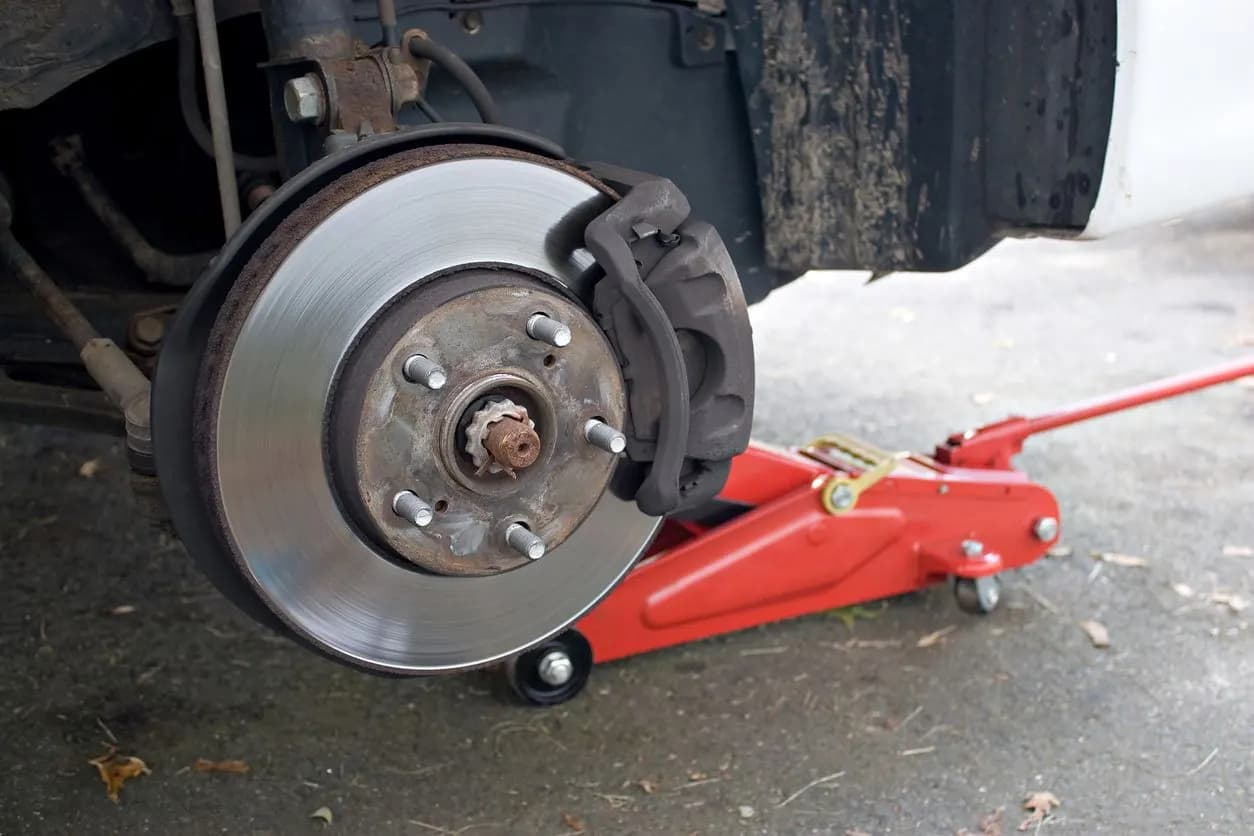
How to Change Brakes on a 2020 GMC Sierra (Pads and Rotors)
Step-by-step front and rear brake pad and rotor replacement for the 2019-2025 GMC Sierra 1500, including parking brake service mode and pad-life reset.
 Sierra
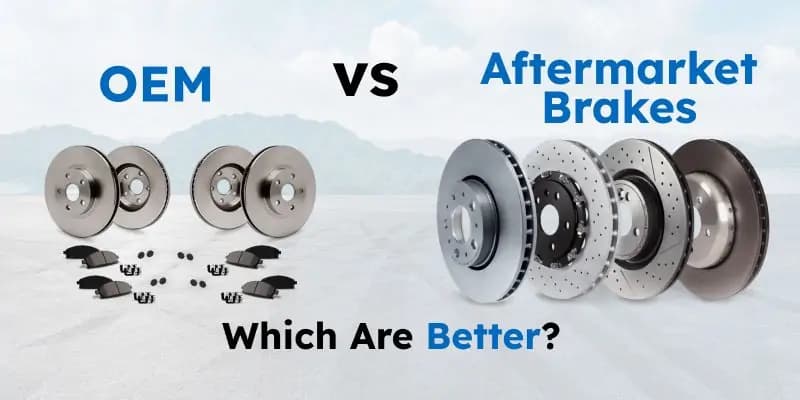
OEM vs Aftermarket Brake Parts for GMC Sierra
GM Genuine vs ACDelco Gold vs ACDelco Silver vs independent brake parts for the GMC Sierra: fit, friction, warranty, and which tier suits your truck.
 Sierra
GMC Sierra Brake Fluid Types: DOT 3 vs DOT 4 Explained
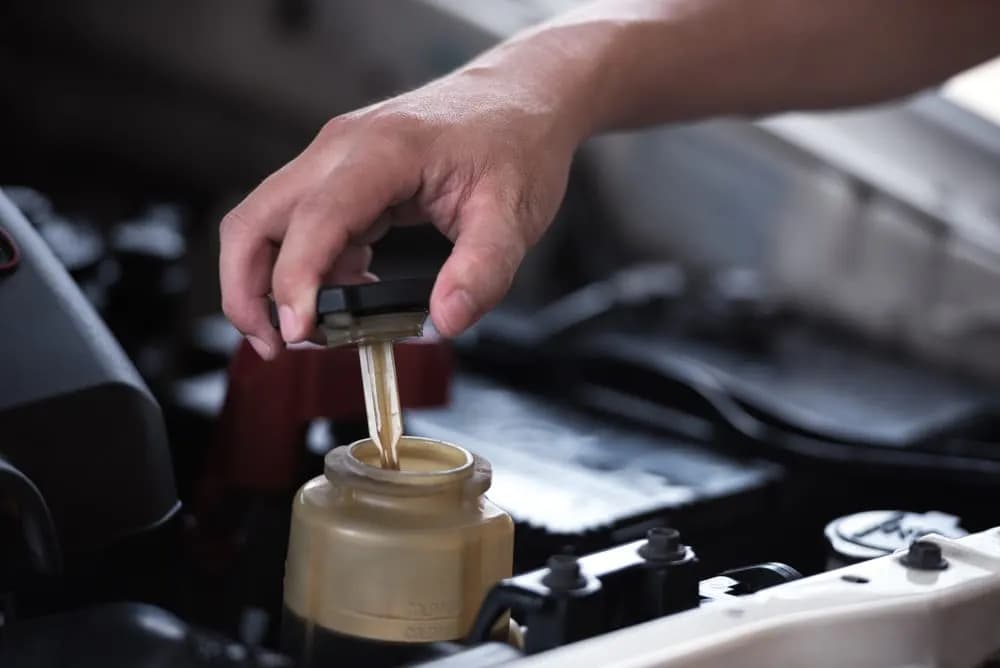
DOT 3 vs DOT 4 brake fluid for the GMC Sierra: how the types differ, which ones are compatible with your truck, and why regular fluid changes matter.
 Sierra
2024 GMC Sierra 1500 Brake Controller: Setup and Gain
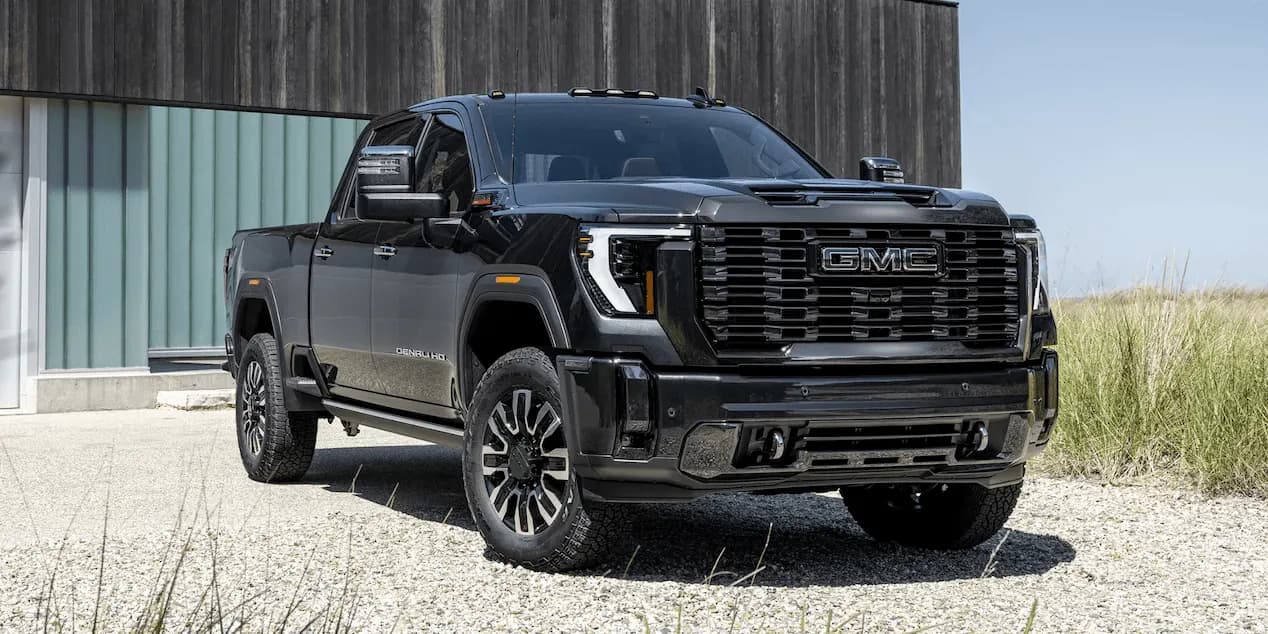
How the 2024 GMC Sierra 1500 integrated trailer brake controller works, how to set trailer gain, and what to do if your truck was built without one.
 GMC Brakes
GMC Sierra Suspension: A Smooth Ride for Every Adventure
Get the lowdown on GMC Sierra Suspension: Your ticket to a comfy, controlled drive whether off-road or in the city. Dive in for details!
More in GMC Brake Problems
- Rear Disc Brake Conversion for GMC Sierra 1500 (2005-2013)
- How to Bleed GMC Sierra Brakes: Sequence and Steps
- Changing Rear Drum Brakes on a 2007-2013 GMC Sierra 1500
- GMC Sierra Third Brake Light Bulbs
- 2004 GMC Sierra Brake Light Bulbs
- 2023 GMC Sierra Must Have Accessories
- 2023 GMC Sierra Electric Parking Brake and Flat Towing
- The Lowdown on the Upcoming 2025 GMC Terrain
- 2008 GMC Yukon Brake Light Bulb Size (2007-2014 Chart)
- GMC Envoy Third Brake Light and Moulding (2002-2009)
- GMC Yukon Brake Replacement Cost: Pads, Rotors, Calipers
- How GMC Brake Systems Work: Hydraulics to StabiliTrak