How to Use a GMC Trailer Brake Controller
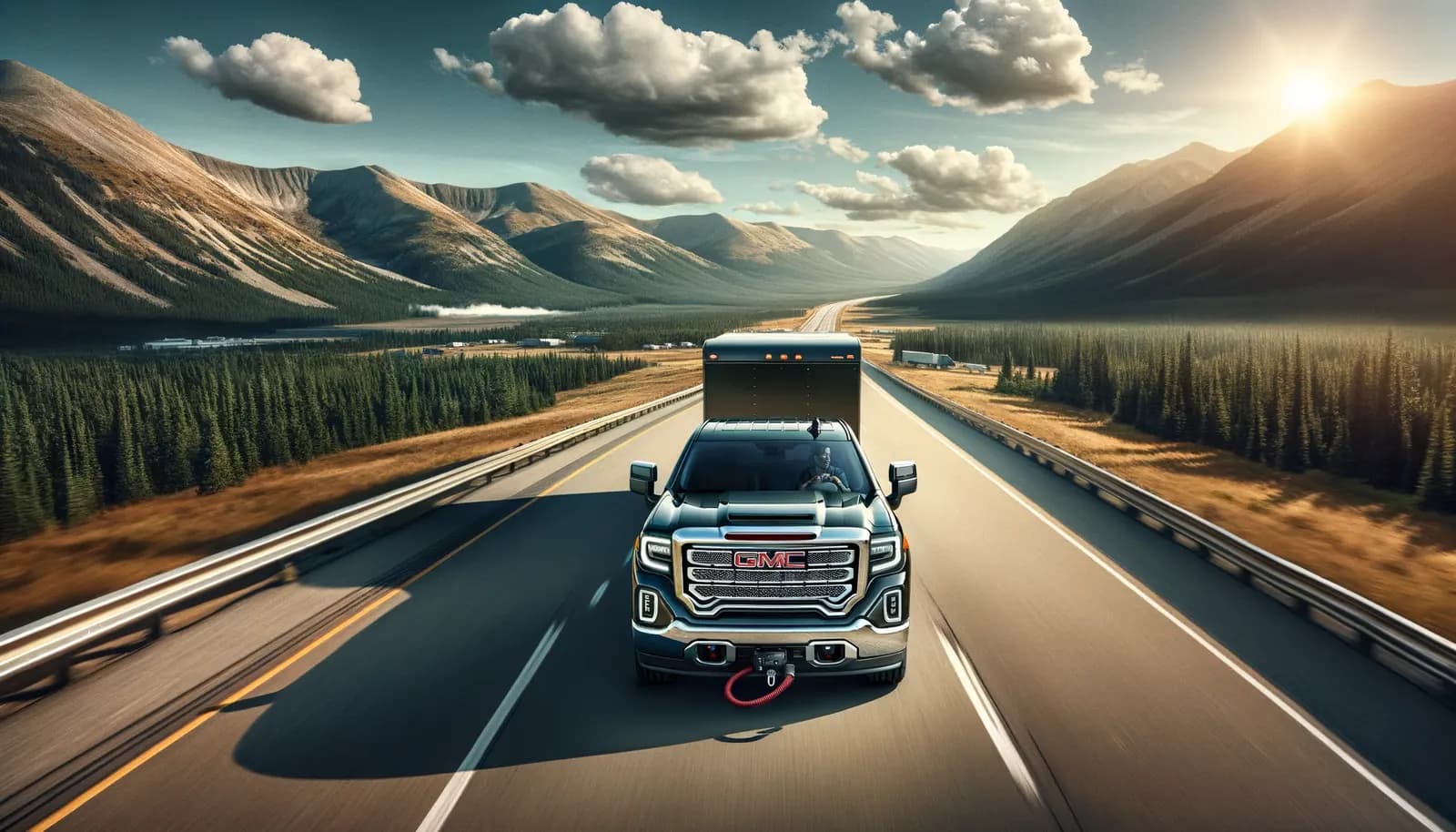
To use a GMC trailer brake controller, hook up the trailer and plug in the 7-pin connector, then set the gain (output) with a road test: drive at about 20-25 mph on an empty, level road, fully apply the controller's manual lever or button, and raise or lower gain until the trailer brakes hard without locking a wheel. After that, the controller applies the trailer's brakes on its own every time you press the pedal. Redo the test whenever the trailer, the load or the road conditions change.
Factory vs. Aftermarket Controllers on GMC Trucks
GMC trucks either have GM's factory integrated controller or use an aftermarket unit. The steps below work for both. What differs is where the controls are and how the controller decides how hard to brake.
| Factory integrated controller (ITBC, option JL1) | Aftermarket controller | |
|---|---|---|
| Where it is | Dash panel with gain +/- buttons and a manual apply lever | Separate unit mounted under or on the dash |
| How output is decided | The truck's brake module commands trailer braking based on brake application | Proportional (accelerometer) or time-delay, depending on the model |
| Where you read the setting | Driver Information Center (DIC) | The controller's own display or indicator light |
| Can be added later? | GM says no, if the truck wasn't built with JL1 | Yes, usually with a vehicle-specific plug-in harness |
| Common brands | GM | Tekonsha, CURT, Reese, Hopkins and others |
For the Sierra's factory system in detail, including what the dash panel does and which trailer brakes it supports, see our 2024 GMC Sierra 1500 brake controller guide.
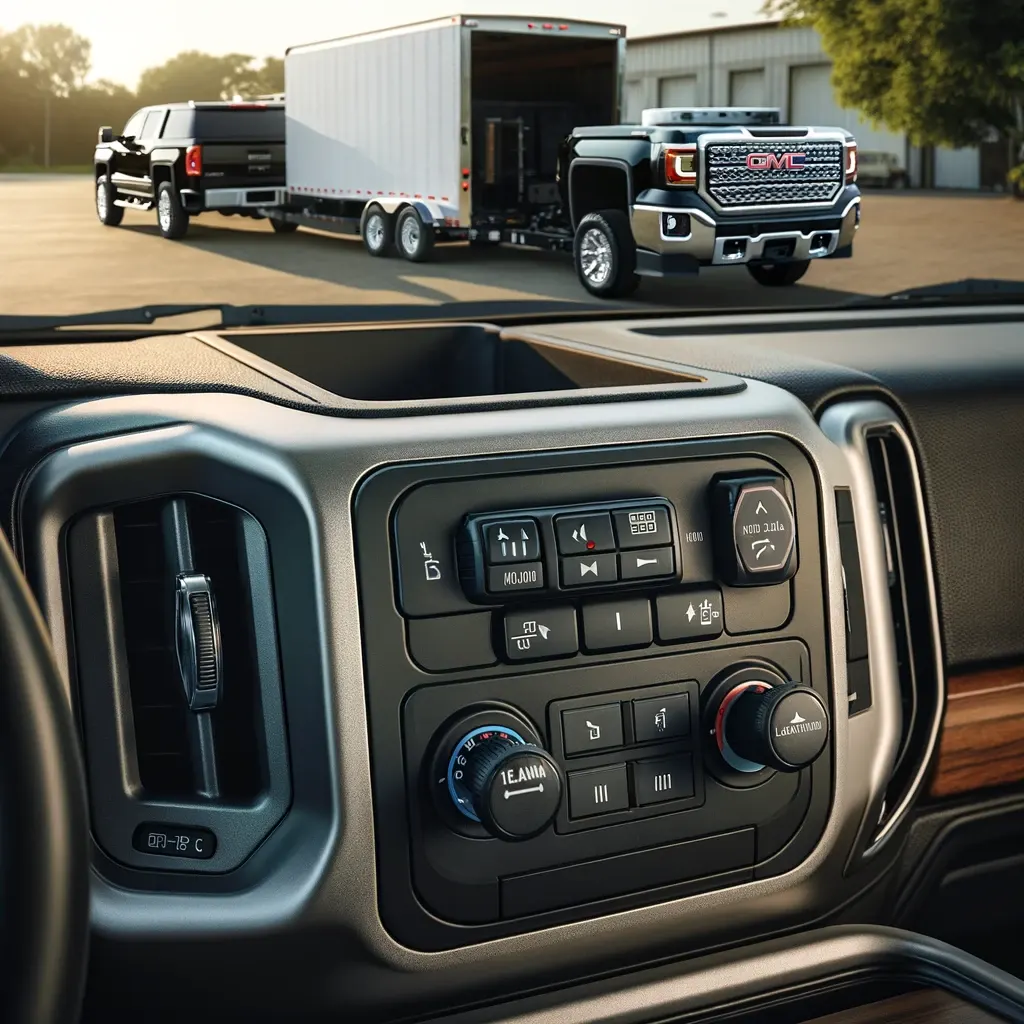
Proportional vs. Time-Delay Controllers
If you're buying an aftermarket controller, this is the main decision.
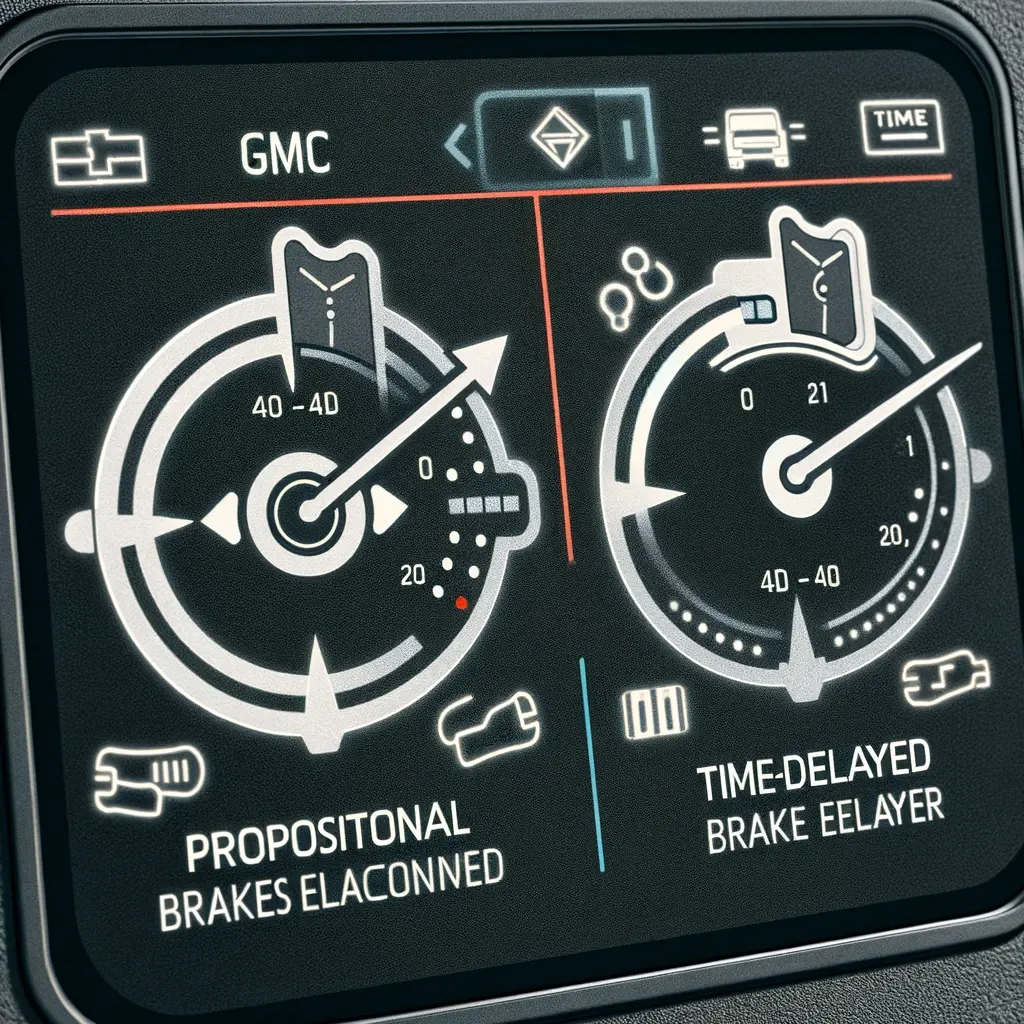
- Proportional (inertia-based). An accelerometer senses how fast the truck is slowing and applies trailer braking to match. CURT's towing guide describes these as giving smooth stops, and they add braking automatically on downhill grades. Most proportional units have to be mounted level and at the angle the instructions specify.
- Time-delay. Once you touch the pedal, the controller ramps output up over a fixed time, no matter how hard you're braking. These are simpler and cheaper, and mounting angle doesn't matter, but stops aren't as smooth.
If you tow often, tow heavy or tow in the hills, a proportional controller is the usual choice. GM's factory controller doesn't fit neatly into either group because the truck's brake system tells it what to do, but in use it responds to how hard you brake.
Before You Tow: Quick Setup Checklist
- Check the trailer brakes. The controller can only apply brakes that work. Look for worn shoes or magnets, damaged wiring at the axle, and a solid ground from the brake wiring to the trailer frame.
- Check the lights. With the trailer plugged in, have someone confirm running lights, both turn signals and brake lamps.
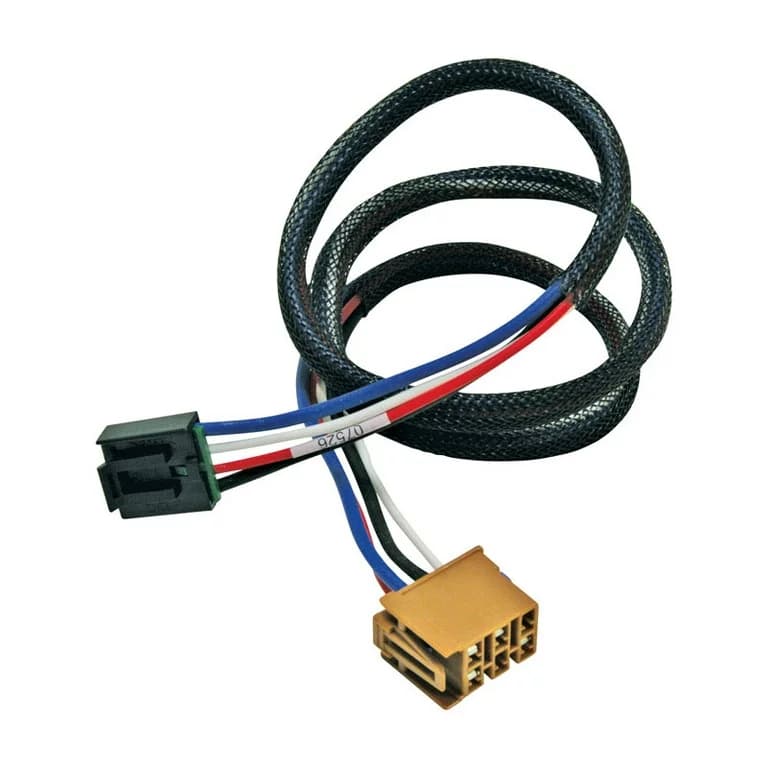
- Check the connector. Corrosion on 7-pin contacts is one of the most common causes of weak or intermittent trailer braking. Our trailer brake controller wiring guide lists what each pin does.
- Confirm the hookup is rated for the load. Hitch, ball mount and truck all need to be rated for the trailer's weight and tongue weight; the numbers are in your owner's manual and on the hitch.
- Confirm the controller sees the trailer. A factory GM controller shows a trailer-connected message in the DIC. Most aftermarket units show a code or light when they detect trailer brakes.
How to Set the Gain
Gain (some brands call it "output" or "power") is how much electrical current the controller sends to the trailer's brake magnets. Too low and the truck does most of the stopping. Too high and trailer wheels lock and skid.
- Start at the value the controller's instructions suggest. On a GM factory controller the default is 0.0, which sends nothing to the trailer, so it must be raised before you tow.
- Find a level, empty stretch of road or a large lot.
- Drive at about 20-25 mph. GM's procedure uses 20-25 mph; CURT's guide uses about 25 mph. Testing slower can give you a setting that's wrong at normal speeds.
- Fully apply the manual lever or button (not the truck's brake pedal) so only the trailer brakes are working.
- If a trailer wheel locks (squeal, smoke, a skid mark), lower the gain. If the trailer barely slows, raise it. Repeat until you're just below lockup.
- Try a few normal pedal stops at different speeds to confirm the truck and trailer stop together without the trailer pushing or jerking.
Very heavy trailers may never lock a wheel. In that case use the highest setting that still stops smoothly. For how the numbers differ between a Sierra 1500 and a 2500HD, see our Sierra trailer brake gain settings guide.
Using the Controller on the Road
Once gain is set, you don't do anything special on a normal stop. The controller applies the trailer brakes along with the truck's. A few habits help:
- Recheck gain when things change. A different trailer, a bigger load, or rain or gravel all call for a quick retest. On slippery roads trailer wheels lock with less force, so lower gain a step or two.
- Know what the manual control is for. The lever or button applies only the trailer brakes. CURT notes it's useful for correcting trailer sway and for gradual slowing on hills. On a GM factory controller, using the lever also turns on the brake lamps.
- Use engine braking on long grades. Tow/Haul mode and a lower gear let the engine hold speed, so neither the truck's nor the trailer's brakes overheat.
- Leave more room. A loaded trailer takes longer to stop even with good trailer brakes.
Surge Brakes Don't Need a Controller
Controllers are for electric (and on some setups, electric-over-hydraulic) trailer brakes. Many boat trailers use surge brakes, which apply hydraulically when the trailer pushes against the hitch and don't need a controller at all. As CURT puts it, electric trailer brakes "do not work without a brake controller."
Can a Brake Controller Go Bad?
Yes. Aftermarket units and GM's factory system both fail, though most "dead controller" complaints turn out to be wiring. Typical symptoms:
| Symptom | Check first |
|---|---|
| Controller has no power | Fuse or circuit breaker for the controller circuit, and the controller's ground |
| Controller powers up but shows no trailer | Dirty or corroded 7-pin contacts, broken blue brake-output wire, bad trailer ground |
| Trailer brakes weak or grab | Gain setting, worn trailer brake magnets or shoes, loose trailer wiring |
| GM DIC shows CHECK TRAILER WIRING or SERVICE TRAILER BRAKE SYSTEM | Trailer ground and brake-output circuit first, then the truck side |
A technical breakdown of GM's trailer brake system traces the GM SERVICE TRAILER BRAKE SYSTEM message with code C1114 to a poor trailer ground or a brake output circuit shorted to power, both of which are on the trailer side. Our Service Trailer Brake System guide and Yukon trailer brake troubleshooting go through the diagnosis. If the factory module really has failed, see replacing the trailer brake control module.
Frequently Asked Questions
Can I use an aftermarket brake controller on my GMC?
Yes. A truck without GM's factory controller (option JL1) can use an aftermarket unit, usually connected with a plug-in harness made for your truck's generation. On a truck that already has the factory controller, you normally don't need one. Check with the controller maker which harness fits your model year.
Do I need a brake controller if my trailer already has electric brakes?
Yes. Electric trailer brakes can't do anything on their own. The controller is what sends them power when you brake. Surge brakes are different and don't need a controller.
What gain setting should I use?
No single number works for every rig. Set it by testing at about 20-25 mph with the manual lever or button fully applied, and adjust to just below trailer wheel lockup. Heavier trailers usually end up with higher settings, and you should retest when the load or road conditions change.
Is a brake controller required by law?
Most states require working brakes on trailers above a certain weight, and the threshold varies by state. If your trailer has electric brakes, a controller is the only way to operate them, so check your state's trailer brake rules along with your truck and trailer ratings.
Safety note: This guide is for general informational purposes. Brake systems are safety-critical — if you're unsure at any step, or the work requires specialized tools, have it inspected or completed by a qualified technician.
Related Guides
 GMC Brakes
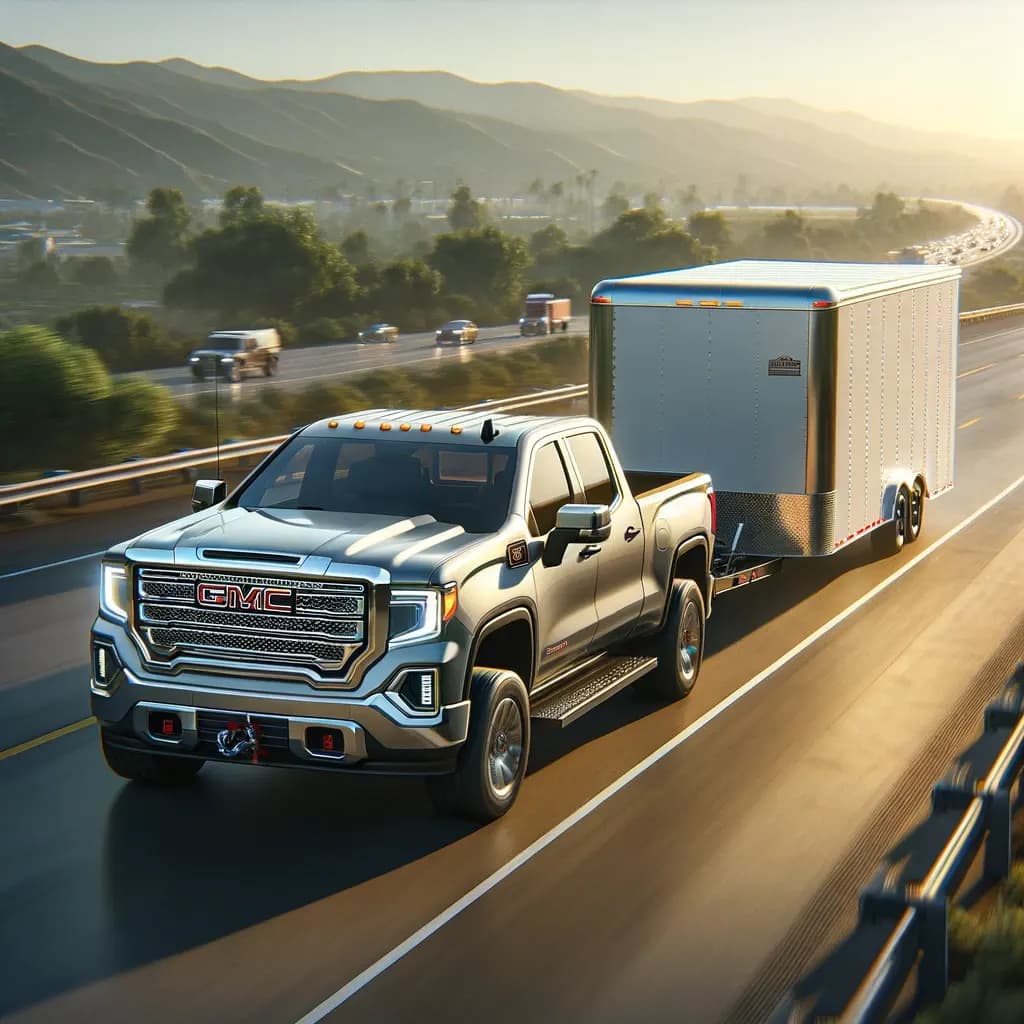
GMC Trailer Brake Controller Wiring and 7-Pin Pinout
GMC trailer brake controller wiring explained: the 7-pin pinout, what each controller wire does, and where to connect on 1999-2007 GMT800 trucks.
 GMC Brakes
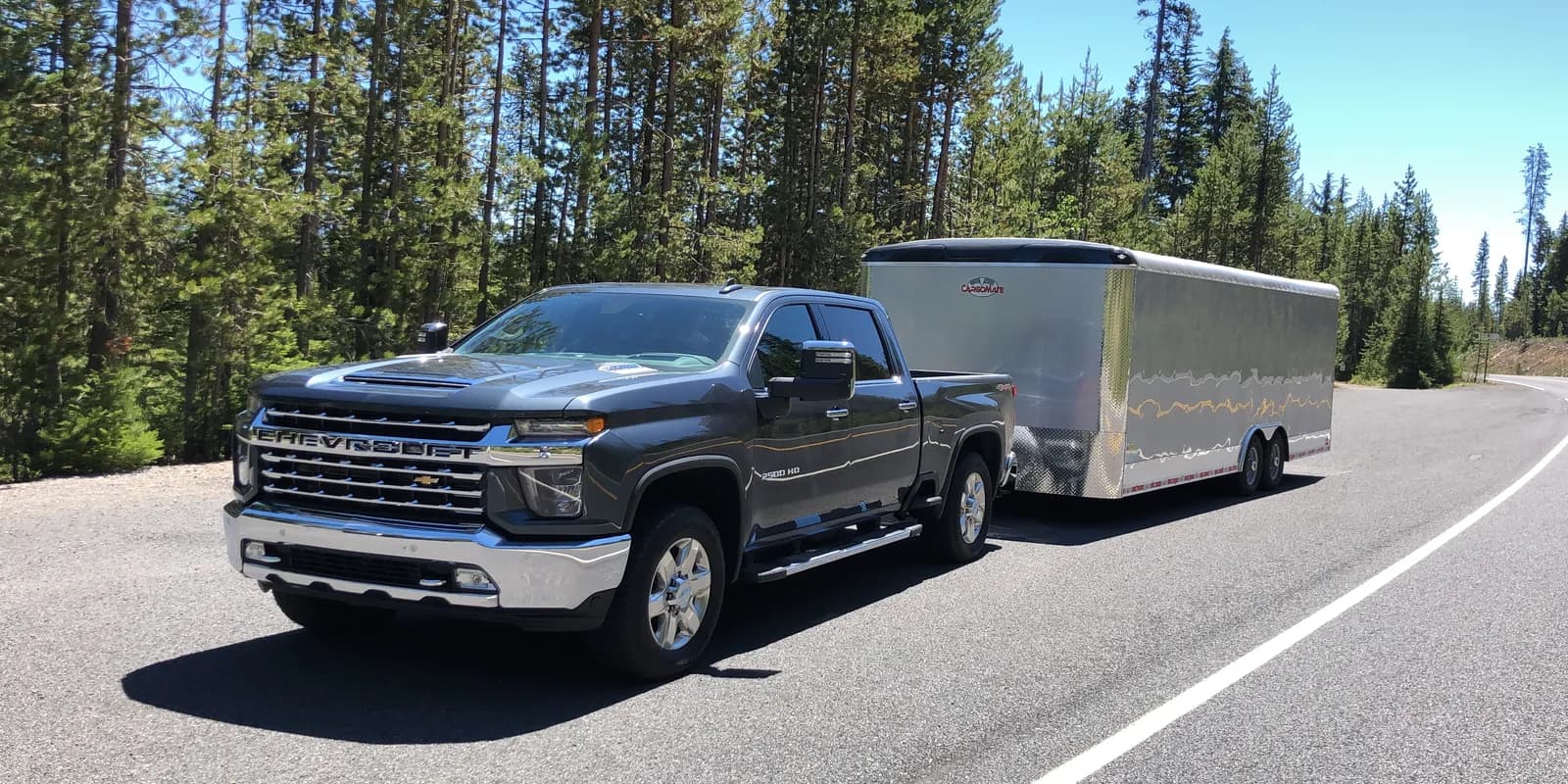
How to Turn Off The Trailer Brake System GMC Sierra
Discover how to safely turn off the trailer brake system GMC Sierra with our easy guide, ensuring optimal towing performance and safety.
 GMC Brakes
Service Trailer Brake System on GMC: Causes and Fixes
What the Service Trailer Brake System message means on a GMC Sierra or Yukon, the likely causes, and the order to check them before towing again.
 GMC Brakes
Buying a 2015 GMC Sierra Trailer Brake Control Module
Before replacing the trailer brake control module on a 2015 GMC Sierra, check its location, cost, common faults, and OEM vs. aftermarket options.
 Yukon
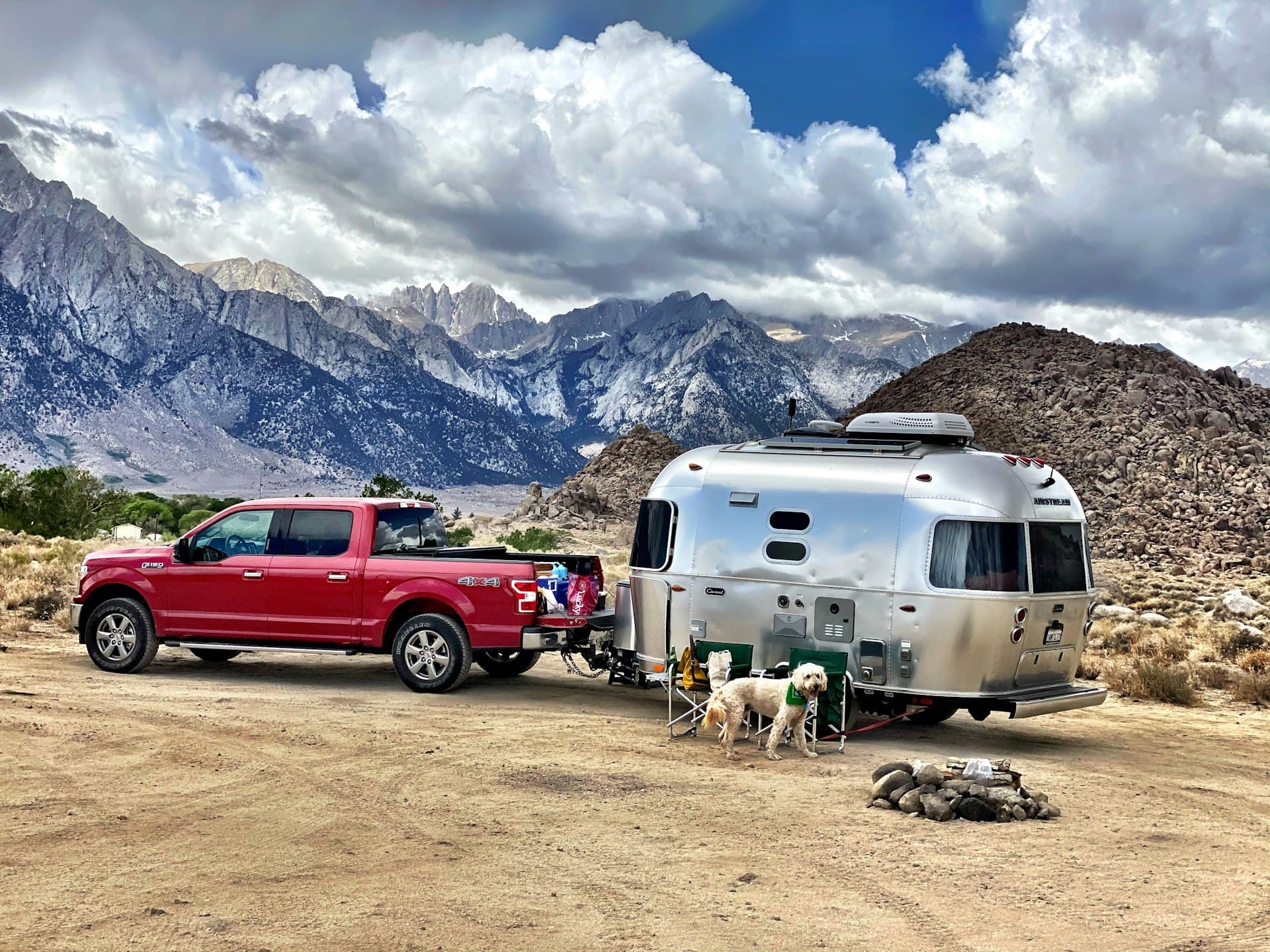
YukonGMC Yukon Trailer Brake Troubleshooting
When GMC Yukon trailer brakes are dead, weak or locking up, check the 7-way connector, fuse, gain setting and trailer magnets, in that order.
 Sierra
GMC Sierra Trailer Brake Gain Settings — 1500 vs 2500
GMC Sierra trailer brake gain is set with GM's 20-25 mph lever test, not a chart. Here's how, and why a 2500 often runs higher gain than a 1500.